When planning a kitchen remodel or designing an existing kitchen, knowing standard cabinet depth, standard kitchen cabinet dimensions, kitchen cabinet dimensions, standard cabinet dimensions, and standard kitchen cabinet sizes is essential. At Kitchen Search, we are committed to guiding you on every detail of kitchen cabinetry, including base cabinets, lower cabinets, upper cabinets, wall cabinets, tall cabinets, pantry cabinets, oven cabinets, corner cabinets, semi custom cabinets, custom cabinets, and even utility cabinets and filler cabinets.
In this 2025 guide, we’ll explain how cabinet types, cabinet dimensions, cabinet box sizes, base cabinet depth, cabinet heights, standard base cabinet widths, standard widths, and inches wide and inches tall dimensions integrate into your kitchen layout, how countertop overhang affects measurements including 24 inches or 24 inches deep and 34.5 inches of base cabinet height, when shallower cabinets or deep cabinet or full depth cabinets are appropriate, how crown molding, pull out shelves, pull out racks, door storage, utility storage, pantry storage, storage space and utility cabinets maximize efficiency, and how stock cabinets, semi custom, custom cabinets differ. We’ll help you navigate kitchen island, tight spaces, and ceiling height, so your cabinet design delivers beautiful form and smart function.
Why Standard Cabinet Depth and Dimensions Matter in Kitchen Design
Cabinet dimensions, and especially cabinet depth, impact storage space, visual harmony, ergonomic use, and traffic flow. Choosing the right standard cabinet, whether stock cabinets, semi custom cabinets, or custom cabinets, means balancing how deep, tall, and wide each unit should be for your needs. Lower cabinets, often referred to as base cabinets, are typically 24 inches deep as standard depth, which gives ample countertop workspace but also determines how far your cabinets project into your kitchen space. That common 24 inches depth ensures enough storage space while leaving room for walkways.
Wall cabinets or upper cabinets are commonly 12 inches deep, referred to as kitchen wall cabinets or upper kitchen cabinets, because they provide practical overhead storage without visually crowding the room. Yet upper kitchen cabinets may vary from 12 to 15, 18, or even 24 inches deep when customizing. Tall cabinets, including pantry cabinets, are in standard kitchen cabinet dimensions as tall units that can reach to ceiling height. Pantry cabinets come in depths of 12 or 24 inches, and widths ranging inches wide from 12 to 36, accommodating pantry storage or built‑in appliance housing like oven cabinets.
Customizing these standard cabinet dimensions to better fit your kitchen layout can make all the difference in functionality and aesthetic cohesion.
Standard Cabinet Depths by Cabinet Type
Base Cabinets – 24 Inches Deep Standard
Base cabinet dimensions are the core of any kitchen cabinetry, anchoring your design at roughly 34.5 inches tall (without countertop) and 24 inches deep as the standard cabinet depth. When you add a typical countertop overhang of 1 to 1.5 inches, the actual working surface projects 25 to 26 inches deep into the room.
Base cabinet boxes of 24 inches deep are the baseline for standard kitchen cabinet dimensions. However, if space is tight or you are working around a single basin sink or want a kitchen island with seating, shallower cabinets, such as 18 inches, 15 inches, or even 12 inches, may be more appropriate. These shallow base cabinets preserve walkway clearance, especially in tight spaces.
When planning, we always double-check the base cabinet depth, standard base cabinet widths, cabinet heights, and cabinet box dimensions to match your desired workflow and appliances. Stock cabinets come in standard widths, 12, 15, 18, 24, 30, 36 inches wide, and customizing width ensures you maximize storage in whatever layout you choose.
Wall Cabinets – Upper Height and Depth Standard
 Wall cabinets or upper cabinets typically are 12 inches deep, aligning properly with your base units while allowing enough depth for door storage and pantry essentials. In some cases, you may choose full depth cabinets of 15, 18, or 24 inches deep, especially when designing around specific items like plate racks or small appliances.
Upper cabinet height must coordinate with ceiling height, with common heights of 30, 36, or 42 inches tall. When crown molding is part of the design, the upper kitchen cabinets may reach the ceiling for a cohesive finish. You must balance standard kitchen cabinet dimensions with functionality, reach, and visual balance.
Tall Cabinets and Pantry Cabinets
Tall cabinets, including pantry cabinets, help store more without spreading horizontal clutter. These stand tall, often 84, 90, or 96 inches tall, and in depths of 12 or 24 inches deep, depending on your pantry storage needs. Utility cabinets, oven cabinets, or units for cookbooks or food storage may lean toward full depth cabinets to suit your appliances and lifestyle.
Oven cabinets, when designed for built-in ovens or microwave ovens, often start at 24 inches deep but may require deeper custom widths or heights. These oven cabinets start at specified dimensions, sometimes 36 inches wide for double ovens, or narrower for single.
Corner cabinets, filler cabinets, and other cabinet types ensure that your layout runs smoothly around corners or fills small gaps to maintain a polished look.
Specialty and Custom Cabinet Depths for Your Kitchen
 Shallower or Specialty Base Cabinets
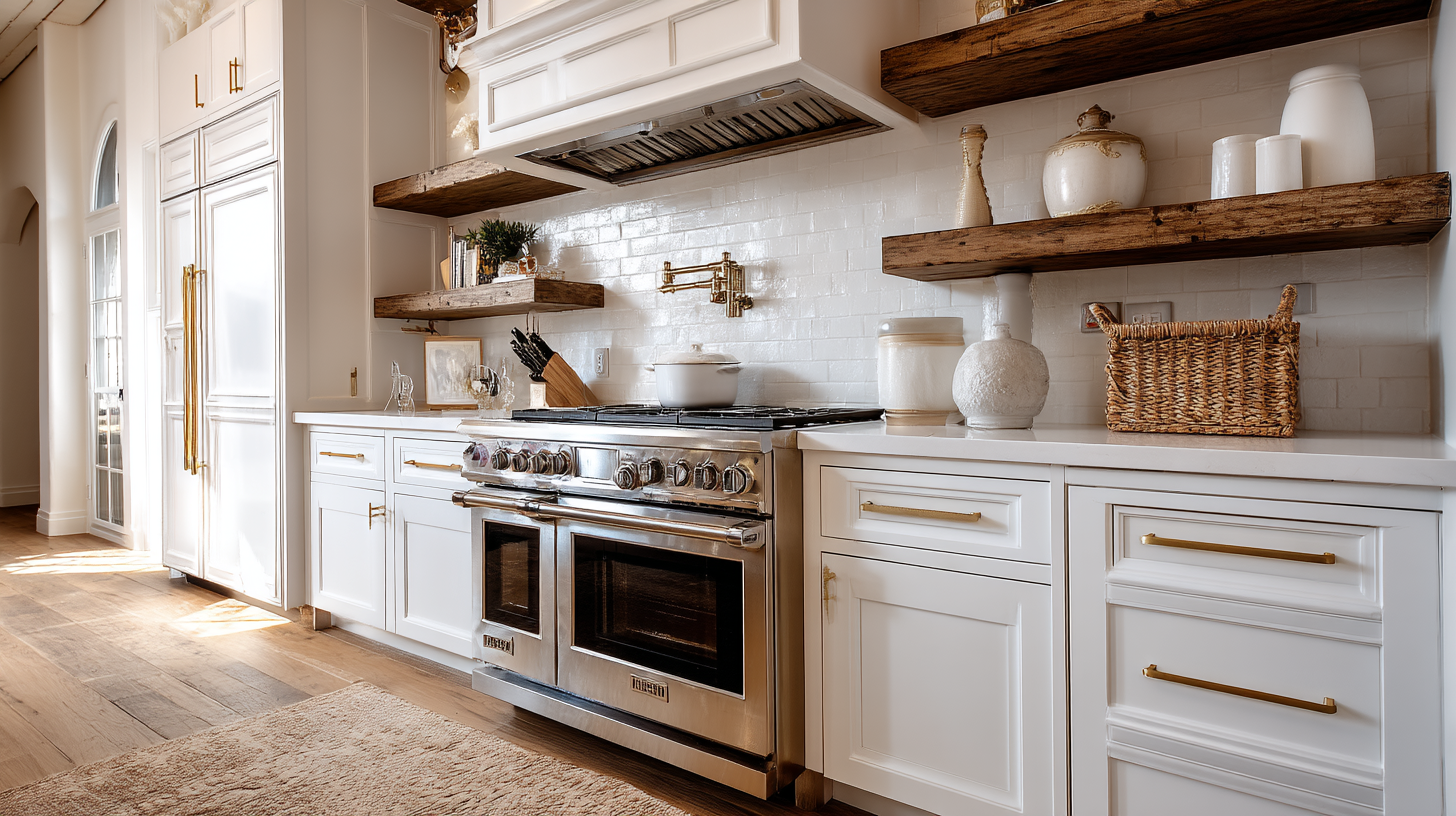
In tight spaces or for kitchen islands, choosing shallower cabinets, 12 inches, 15 inches, 18 inches deep, allows better movement and clever storage with pull out shelves or pull out racks. A slim shallower cabinet behind an island offers storage without overwhelming the kitchen layout.
Full‑Depth and Deep Cabinets for Appliance Integration
For appliances like dishwashers, built-in refrigerated drawers, or ovens, full depth cabinets deeper than 24 inches may be needed. These deep cabinet units keep your appliances flush and streamlined. Semi custom cabinets and custom cabinets services allow you to fine-tune the cabinet dimensions to match
Semi Custom Cabinets vs Custom Cabinets
Stock cabinets give reliability and affordability in standard sizes. When those dimensions don’t suit your vision, semi custom, semi custom cabinets let you adjust features like depth, width, and height without the full cost of custom cabinets. But when your kitchen remodel demands precise dimensions, like blending a kitchen island, organizing utility storage, or utilizing pantry storage creatively, custom cabinets ensure every measurement contributes to optimized space.
How Other Factors Influence Standard Dimensions
 Countertop Overhang, Toe Kicks, and Work Flow
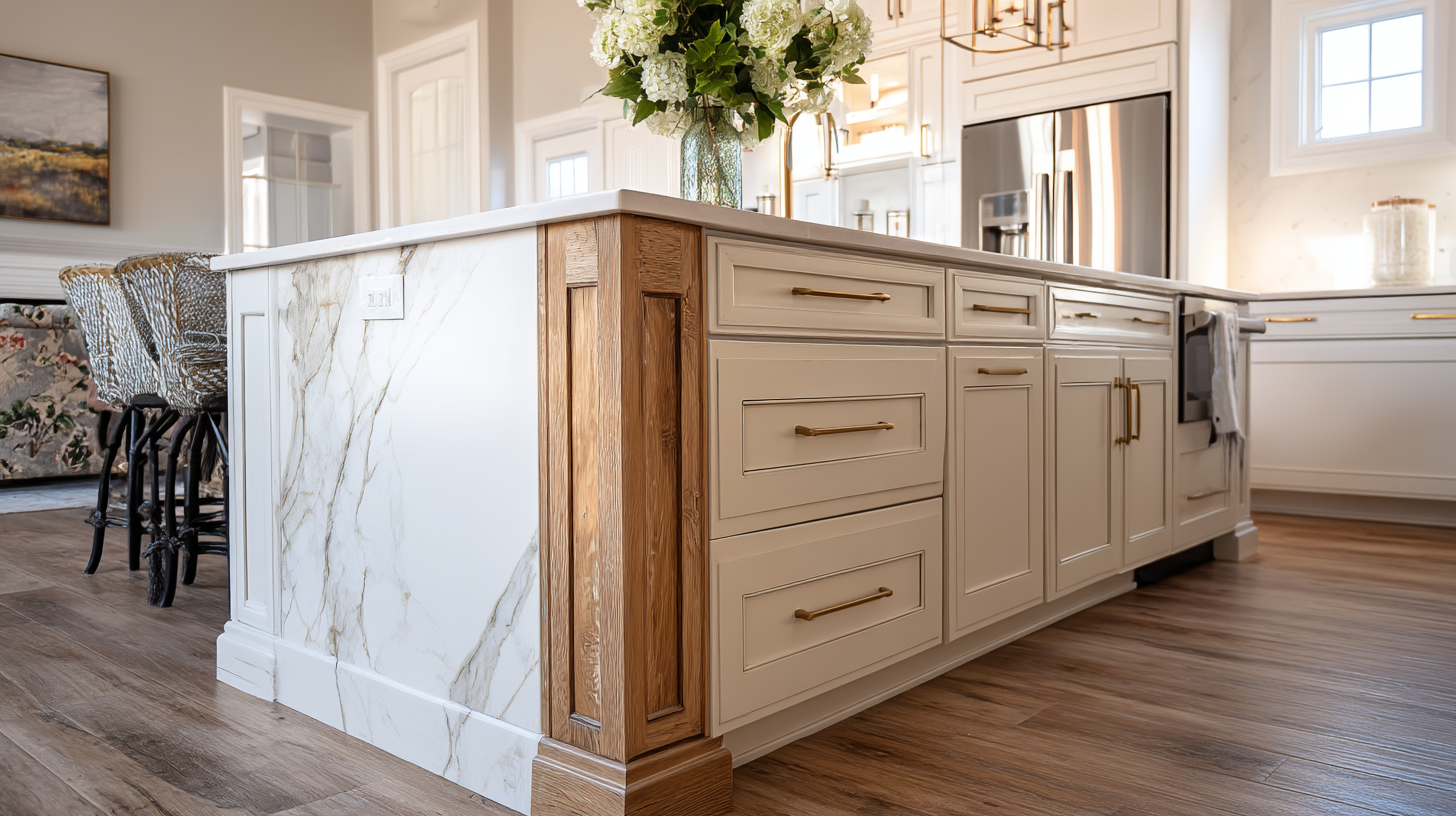
Your countertop overhang extends past 24 inches deep base cabinets, so even though cabinet boxes may be a standard depth, your countertop’s effective depth may feel larger. Consider toe kicks, often 3 inches deep and 4 inches tall, that allow your feet to tuck in and make standing at the counter more comfortable.
Ceiling Height, Crown Molding, and Visual Alignment
If you have high ceilings, upper kitchen cabinets of 42 inches tall or extra tall cabinets create a grand, cohesive appearance especially with crown molding. Standard heights, 30 inches, 36 inches, or more, combined with ceiling height produce the visual drama you desire.
How to Measure and Plan Correct Cabinet Depth
- Measure your kitchen space from wall to wall and note ceiling height.
- Confirm appliance dimensions, especially if you’re planning for oven cabinets, built‑ins, or full‑depth fridge units.
- Plan for countertop overhang when calculating walkway space.
- Factor in upper cabinets depth and height to align with backsplashes and cabinet walls.
- Think through usage of door storage, pull out shelves, or pull out racks in your base cabinets, pantry cabinets, or island.
- Consider semi custom cabinets if standard sizes won’t fit your layout, adjusting depth, width, height, or storage features.
- To fill awkward gaps or corners, use filler cabinets, corner cabinets, or tailor custom cabinets precisely to your space.
At Kitchen Search, we use 3D modeling to confirm every dimension, from standard base cabinet depth to custom cabinet heights, and ensure efficient storage space, proper clearance, and beautiful alignment.
Frequently Asked Standard Cabinet Depth and Dimensions Questions
What is standard cabinet depth?
Cabinet depth for base cabinets is usually 24 inches deep. Upper cabinets are commonly 12 inches deep, and tall cabinets or pantry cabinets are usually 12 or 24 inches deep.
What are standard kitchen cabinet dimensions?
Common standard kitchen cabinet dimensions include 24 inches deep for base cabinets, 12 inches deep for upper cabinets, 12 or 24 inches deep for pantry or tall cabinets, 34.5 inches tall for base cabinets without countertop, and widths from 12 to 36 inches wide in standard increments.
Are upper kitchen cabinets always 12 inches deep?
Cabinets are typically 12 inches deep in wall or upper configurations, but deeper depths up to 24 inches deep are possible for storage or design balance.
What is base cabinet depth with countertop?
When including countertop overhang, a 24‑inch deep base cabinet typically ends up around 25.5 to 26 inches deep.
Can I use shallower cabinets for kitchen islands?
Yes, shallower cabinets such as 12 to 18 inches deep are ideal for kitchen islands in tight spaces, providing storage without obstructing flow or seating space.
What are tall or pantry cabinets dimensions?
Pantry cabinets or tall cabinets usually are 84 to 96 inches tall, 12 or 24 inches deep, and 12 to 36 inches wide, depending on your storage space and appliance needs.
Do I need custom cabinet dimensions?
If your kitchen cabinet sizes must interface with unique appliances, odd layouts, or your ceiling height is non-standard, semi custom cabinets or custom cabinets offer the best results. We can tailor depth, width, height, and design to your kitchen layout.
Final Thoughts on Choosing Standard Depths and Custom Options
Your kitchen’s look and performance depend on smart, well-measured choices in cabinet types and cabinet dimensions. From stock cabinets with standard dimensions like 24 inches deep base cabinets and 12 inches deep upper cabinets, to semi custom cabinets or fully custom cabinets, every detail, cabinet depth, cabinet heights, standard base cabinet widths, inches tall, inches wide, countertop overhang, seal with crown molding, pull out shelves, door storage, utility storage, contributes to a kitchen that feels perfectly you.
At Kitchen Search, our design team walks you through every measurement, from standard cabinet depth to custom tweaks, aligning storage space, pantry storage, oven cabinets, corner cabinets, utility cabinets, and island configurations with your lifestyle and aesthetic. Ready to make your cabinet dimensions count? Contact us to get started on a free design consultation or visit one of our showrooms today.