
The Ultimate Guide to Kitchen Cabinet Install Price: Get Your 2026 Estimates Right
Understanding Kitchen Cabinet Installation Costs
Factors That Affect Pricing
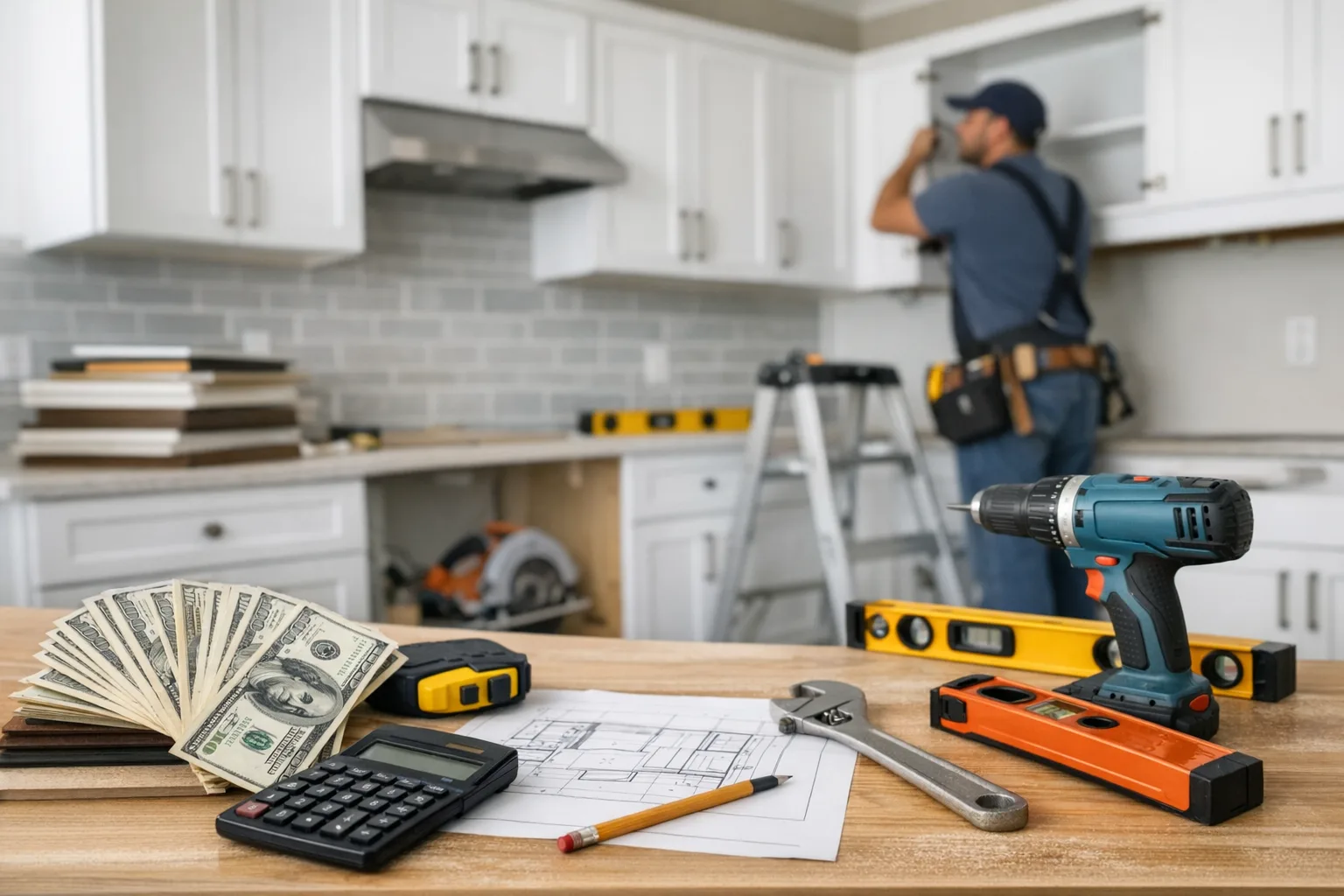
Determining the kitchen cabinet install price involves evaluating several factors, including the selection of material, the complexity of installation, and regional cost variations. The type of cabinets chosen—be it stock cabinets, semi custom cabinets, or custom cabinetry—directly influences cost. Stock cabinets often present a more economical option, but their lack of customization may not suit every kitchen layout. Semi custom cabinets offer a mid-range solution, balancing affordability with personalization. Custom cabinets, while commanding a higher price tag, provide tailored solutions that maximize space utilization. These choices, alongside labor and material costs, contribute significantly to the final kitchen cabinet installation cost.
Average Regional Costs
Regional disparities play a crucial role in determining the kitchen cabinet installation cost. Factors such as local labor rates, accessibility of premium materials, and transportation expenses contribute to these differences. Areas with higher demand for professional installation services may witness increased costs due to the scarcity of skilled cabinet installers. Conversely, regions where DIY installation is more prevalent may boast lower labor costs, although this may necessitate more cabinets being replaced sooner due to potential quality issues. It’s imperative to consider these regional variations to get an accurate gauge on the total cost.
Material Choices and Their Impact on Cost
Popular Materials and Their Price Points
The choice of material significantly affects the kitchen cabinet install price. Common materials include solid wood, which offers durability and a classic appearance, but at a higher cost. Meanwhile, RTA cabinets (Ready-to-Assemble) provide a budget-friendly option, though the trade-off usually involves less robust construction. Materials like rigid thermofoil and laminate are often chosen for stock cabinets due to their lower cost, but they may lack the longevity and premium feel of wood. Opting for higher-grade materials may raise initial expenses, but they can enhance the kitchen’s overall aesthetic and durability, potentially reducing future cabinet costs.
Sustainable Options
The rising focus on sustainability in home design has led many homeowners to consider eco-friendly materials for their kitchen cabinets. Bamboo and reclaimed wood are popular sustainable choices that, while sometimes increasing upfront costs, offer long-term benefits including improved indoor air quality and a reduced carbon footprint. These materials often require custom solutions given their unique handling and installation requirements, which may slightly inflate the cost to install. Nevertheless, the investment in sustainable cabinets can provide long-term cost savings through enhanced durability and energy efficiency, appealing to environmentally conscious homeowners.
Labor Costs: DIY vs. Professional Installation

Pros and Cons of DIY
DIY installation can be an attractive option for budget-conscious homeowners looking to save money on labor costs. However, it’s important to consider the technical expertise required for tasks such as aligning wall cabinets and fitting crown molding accurately. Minor adjustments that professionals manage with ease might present significant hurdles during a DIY attempt, potentially affecting the overall project costs. Labor statistics indicate that many DIY projects result in premature wear or installation faults, leading to higher future expenses.
Benefits of Hiring Professionals
Engaging professional cabinet installers offers benefits that often outweigh the higher price tag associated with this choice. Professionals bring expertise that ensures precise installations with fewer errors, crucial when working with custom cabinetry or integrating custom features like soft close hinges. The potential savings on future repairs and the assurance of high-quality craftsmanship make professional installation a worthwhile consideration for most homeowners. Additionally, professionals can better navigate any labor and material costs efficiently, providing peace of mind during the kitchen cabinet installation process.
Customization Choices: Beyond Standard Cabinets
Custom vs. Stock Cabinets
The decision between custom cabinets and stock cabinets boils down to budget and specific design needs. Stock cabinets come pre-assembled, offering quick installation and lower material costs. However, they lack the personalized fit of custom cabinetry, especially in non-standard kitchen layouts. Custom cabinets, though more expensive due to their bespoke nature and use of premium materials, offer an exact fit and an opportunity to integrate innovative design elements. Custom solutions might involve higher initial expenses, yet they deliver enduring value through improved functionality and aesthetic appeal.
Design Elements that Increase Costs
Incorporating unique design elements like decorative moldings, specialty finishes, and built-in storage solutions can significantly escalate kitchen cabinet install prices. Features such as soft close hinges, integrated lighting, and specialized hardware, while contributing to a higher quality and functionality, inherently raise cabinet costs. These custom features necessitate precise labor and material costs, making professional installation essential to ensure quality. Moreover, opting for custom features can enhance the kitchen’s functionality and contribute to higher property values.
Technical Deep Dive: Installation Process Explained

Step-by-Step Installation Process
The kitchen cabinet installation process begins with precise measurements to ensure cabinets fit desired spaces, accounting for any existing fixtures or appliances. Walls need to be checked for plumb and level before wall cabinets are installed. Cabinets low in precision may require shims for alignment. Following this, base cabinets are set in place, ensuring proper alignment. Countertop placement and securing is next, followed by integration of custom features like island units or organizing units such as a closet island or shoe shelf towers. This methodical approach minimizes errors and ensures a seamless fit, crucial for achieving a professional finish.
Common Technical Challenges
One of the major technical challenges of kitchen cabinet installation is working with uneven walls and floors. This requires precise measurements and potentially minor adjustments using shims and fillers to ensure everything aligns correctly. Connecting new cabinets with existing cabinets poses additional challenges, especially in older homes where settling may have occurred. Securing heavy wall cabinets safely also requires understanding of structural load capacities. Overcoming these challenges often necessitates the expertise of skilled cabinet installers, whose experience ensures both functionality and safety in your kitchen design.
Recent Trends in Cabinet Installation
Smart Cabinetry
Smart cabinetry is revolutionizing kitchen designs, incorporating technology such as motorized drawer systems and integrated charging stations. Although these innovations add to the initial cabinet costs, they effectively streamline kitchen use, enhancing daily functionality. Most homeowners consider smart cabinetry due to its modern appeal and potential to elevate home resale value. While the integration of tech can influence installation costs due to additional electrical work, its convenience and luxury often justify the investment.
Current Design Innovations
Current design innovations extend beyond smart features, focusing on aesthetics and functionality. Two tone kitchen cabinets offer visual contrast, creating dynamic and visually appealing spaces. Materials blending, such as mixing solid wood fronts with metal framing, is another emerging trend. These designs often require custom cabinetry solutions, which naturally leads to higher installation costs. However, the enhancement of style and personalization justifies these expenses for many homeowners aiming to reflect the latest kitchen design trends in their renovation projects.
Impact of Global Supply Chain Issues on Pricing

2026’s Supply Chain Challenges
The ongoing global supply chain issues have led to inflated material costs and extended delivery timelines, impacting the kitchen cabinet install price. Shortages in premium materials have driven up labor and material costs. Consequently, many homeowners opt for alternative materials to offset price increases, though this may affect durability and aesthetic choices. Planning early and confirming material availability is crucial in managing costs effectively during a kitchen cabinet installation project.
Regional Price Variations
Supply chain disruptions have caused uneven impacts across regions, influencing local labor rates and material costs significantly. Urban areas might experience elevated costs due to high demand and limited supply, whereas rural locales could offer lower prices due to surplus. Understanding these regional variations and the broader supply chain landscape helps homeowners strategize effectively, optimizing their budget and ensuring a well-timed project execution.
ROI & Cost Analysis: Value of Investment
Long-term Financial Benefits
Investing in quality kitchen cabinet installation can yield significant ROI by elevating home value and improving functionality. High-quality custom cabinets or premium materials like solid wood and sustainable options may incur greater initial costs, but they are likely to enhance the appeal and longevity of your kitchen space. Moreover, expertly installed cabinets minimize future repair needs, further bolstering financial returns.
Comparing Costs and Gains
When comparing the kitchen cabinet install price against potential gains, it’s essential to consider the enhanced home value and personal satisfaction derived from a customized kitchen. An optimal balance between upfront expenditure and quality enhancements can maximize ROI. Opting for custom or semi custom kitchen cabinets tailored to your lifestyle not only improves daily utility but also supports long-term market competitiveness, positioning your home favorably for future resale.
Common Pitfalls in Kitchen Cabinet Installation
Avoiding Cost Overruns
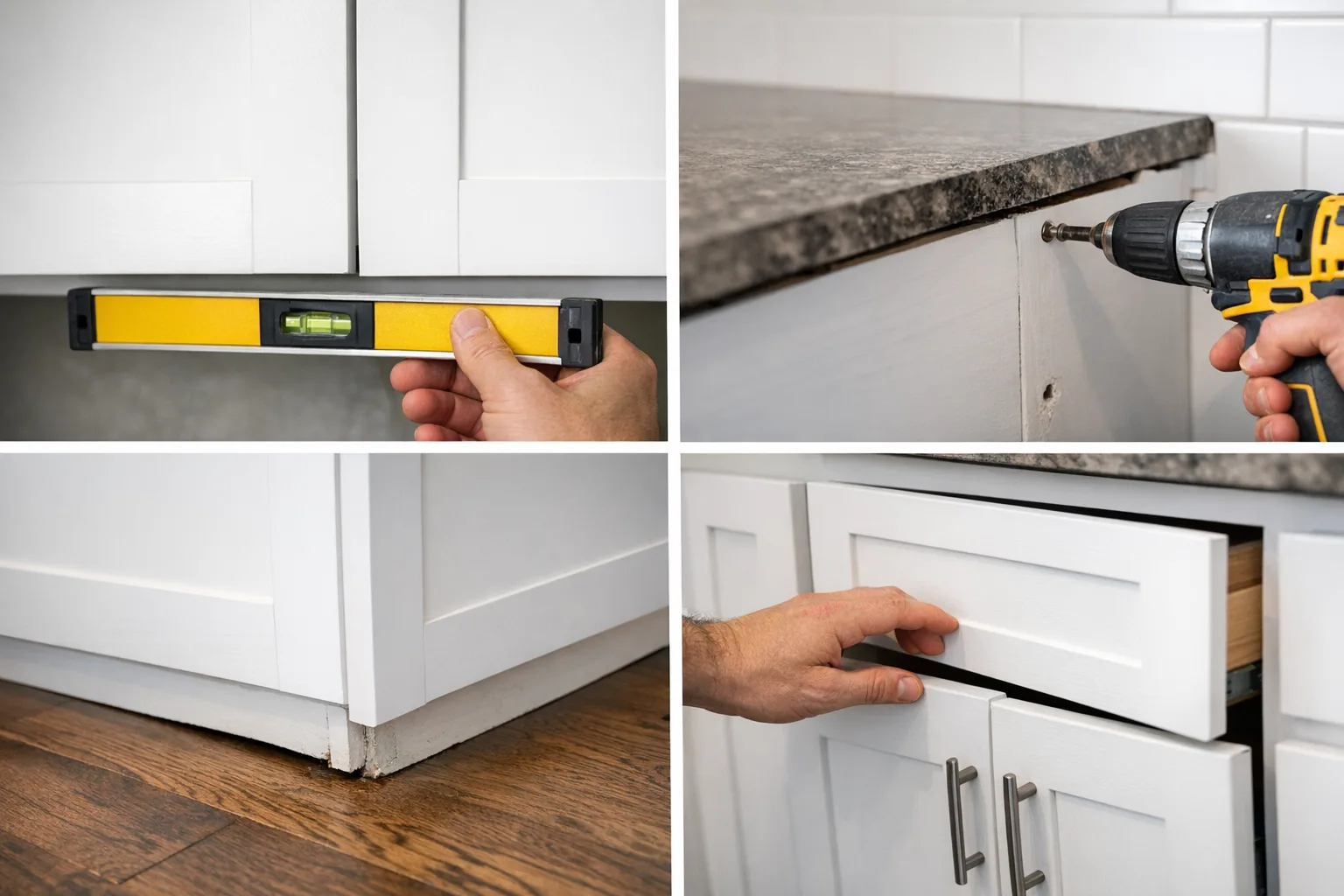
Cost overruns during kitchen cabinet installation can occur due to unexpected obstacles or non-compliance with budget planning. To avoid this, it’s crucial to engage with certified home inspectors to identify structural challenges early. Proper project management that includes a contingency budget for unforeseen expenses helps manage the total cost effectively. Ensuring clear communication with your installers about priorities and constraints can also avert unnecessary expenditure.
Ensuring Quality and Durability
Quality can be compromised when installation is rushed or when unsuitable materials are believed to be more cost-effective. Opting for premium materials, even at a higher price, can ensure durability and longevity, especially when professionally installed. Overlooking minor adjustments needed for perfect alignment can lead to structural compromise, necessitating further expenses down the line. It’s crucial to prioritize quality workmanship and materials to ensure enduring satisfaction and functionality.
Local Considerations for Kitchen Cabinet Installation
City-specific Styles and Trends
Understanding city-specific styles and trends is essential when planning a kitchen cabinet installation. Elements such as local architectural styles and prevalent kitchen layouts can affect design decisions. For instance, urban kitchens may emphasize space-saving solutions like vertical cabinets or hanging towers. Incorporating local styles not only enhances home resale value but also ensures functional compatibility with the living environment.
Connecting with Local Experts
Engaging local experts is invaluable in navigating regional design styles and labor markets. Local cabinet installers are typically well-versed in city-specific trends and regulatory requirements, ensuring compliance with local codes. Partnering with local professionals can also expedite project timelines, guaranteeing smooth execution and minimizing logistical hurdles. Furthermore, professionals from the area can provide insights into local labor statistics, streamlining the budgeting process for homeowners.