
How Do Cabinet Installers Ensure Doors Stay Aligned Over Time?
How do cabinet installers ensure doors stay aligned over time is one of the most important questions homeowners ask before starting a kitchen project. The answer comes down to a detailed installation process, precision tools, and the expertise of professional cabinet installers who understand how to maintain proper alignment from day one. When cabinets are installed correctly, cabinet doors stay properly aligned, gaps remain consistent, and the entire kitchen maintains a clean and polished appearance for years.
Why Cabinet Door Alignment Matters More Than You Think
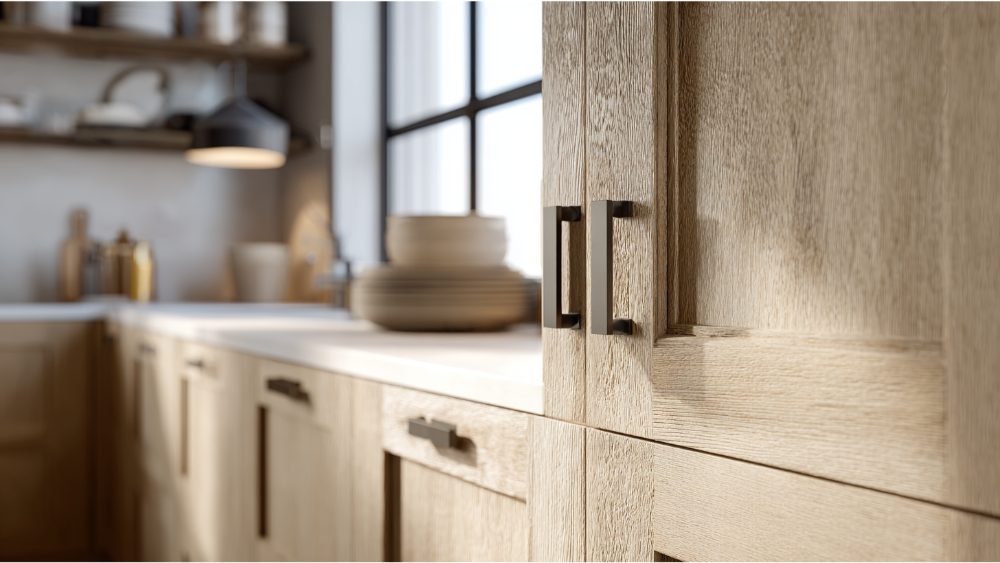
Cabinet doors are one of the most noticeable features in any kitchen. Uneven gaps, crooked lines, or misaligned doors can quickly take away from the look of beautiful cabinets. Proper alignment ensures smooth operation, allowing doors to swing open and close without resistance. When cabinet doors are properly aligned, they protect the cabinet frame and prevent unnecessary stress on hinges and screws.
Misaligned doors often lead to long-term issues. Hinges loosen, cabinet edges rub, and the cabinet frame can wear down faster. In both wall cabinets and base cabinets, alignment impacts not just appearance but durability. Professional installers focus on door alignment early to prevent these issues across the entire kitchen.
The Foundation of Perfect Alignment: Proper Cabinet Installation
Leveling Cabinets with Precision Tools
The installation process begins with accurate measurements and leveling. Uneven floors and uneven walls are common, which is why installers use advanced tools like laser levels and digital measuring tools. This step ensures the cabinet layout is correct from the start.
Base cabinets are installed first because they set the foundation for upper cabinets. Installers double check the floor and use shims to create a level surface. This step ensures the entire run of cabinets is aligned properly.
Using Shims to Correct Structural Imperfections
Shims are used to correct uneven floors and uneven walls. This allows installers to align each cabinet box and ensure it sits flat against the wall and floor. Without this step, cabinet doors will never achieve proper alignment.
Securing Cabinets to Wall Studs
To secure cabinets, installers locate wall studs using a stud finder. Wall studs provide the strength needed to anchor cabinets correctly. Mounting screws are driven into wall studs to ensure cabinets stay secure.
Upper cabinets rely heavily on this step. If they are not anchored correctly, they can shift slightly, causing alignment issues with cabinet doors. Professional cabinet installers always double check stud placement and ensure cabinets are anchored correctly.
The Role of High Quality Hinges in Long Term Alignment
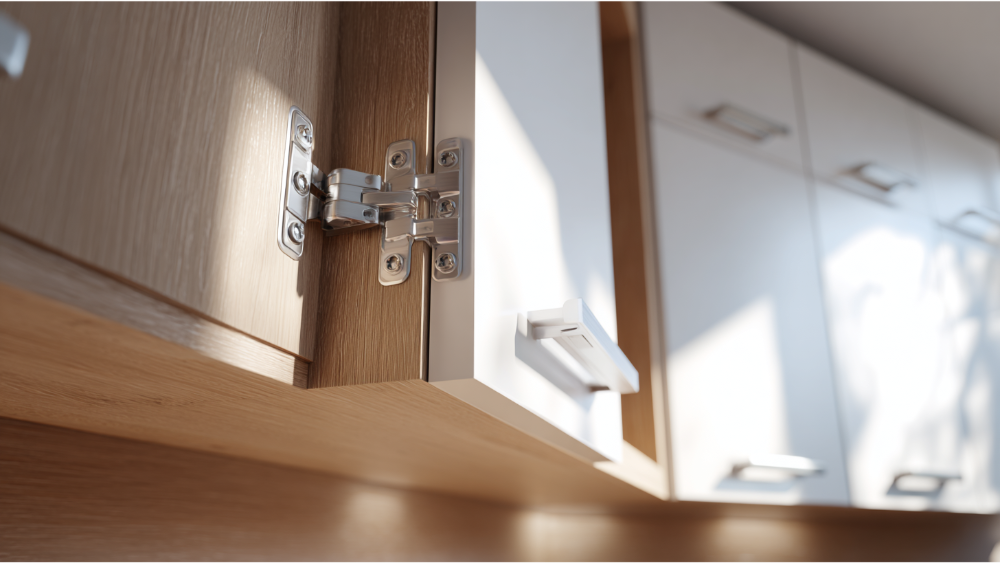
What Are Adjustable Hinges?
Adjustable hinges are essential for maintaining door alignment. These hinges allow installers to adjust cabinet doors in multiple directions, including vertical alignment and depth. This flexibility helps ensure proper alignment during installation and allows for adjustments later.
Soft Close Mechanisms and Door Closer Benefits
Soft close mechanisms act as a built-in door closer, preventing cabinet doors from slamming. This reduces stress on hinges and screws while protecting the cabinet frame. Over time, soft close mechanisms help maintain proper alignment and extend the life of kitchen cabinet doors.
Proper Hinge Placement and Door Weight Distribution
How Installers Determine Hinge Placement
Professional installers determine hinge placement based on door size and weight. Heavier cabinet doors require more hinges to distribute weight evenly. The top hinge plays a key role in maintaining alignment and preventing sagging.
Preventing Door Sagging Over Time
Installers use pilot holes to place screws accurately and ensure hinges are secured properly. This step ensures cabinet doors remain properly aligned and prevents uneven gaps from forming.
Cabinet Box Strength: The Hidden Factor Behind Door Alignment
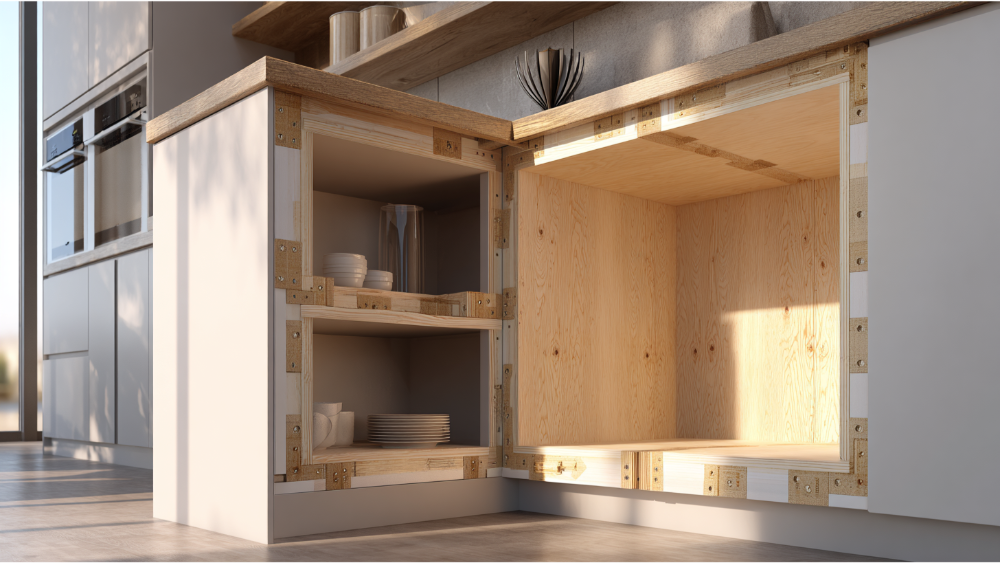
Why a Strong Cabinet Box Is Essential
The cabinet box provides the structural support for cabinet doors. A weak cabinet box can lead to alignment issues, even if hinges are high quality. A strong cabinet box ensures doors remain properly aligned over time.
Reinforcing the Cabinet Structure
Professional installers use screws instead of nails to secure cabinets. Adjacent cabinets are connected to strengthen the entire run. Face frames and cabinet frame construction help maintain stability and proper alignment.
How Environment and Materials Affect Cabinet Alignment
The Impact of Humidity and Temperature
Wood expands and contracts with temperature changes. This can affect cabinet doors if not accounted for during installation. Professional installers understand how to manage these changes to maintain alignment.
Choosing the Right Materials
Engineered wood materials are often used in modern cabinet designs because they are more stable. These materials help maintain door alignment and reduce the risk of misaligned doors.
Allowing for Natural Movement
Installers leave small gaps to allow for expansion. This helps prevent uneven gaps and keeps cabinet doors properly aligned as materials shift slightly over time.
Soft Close Systems: Small Feature, Big Impact
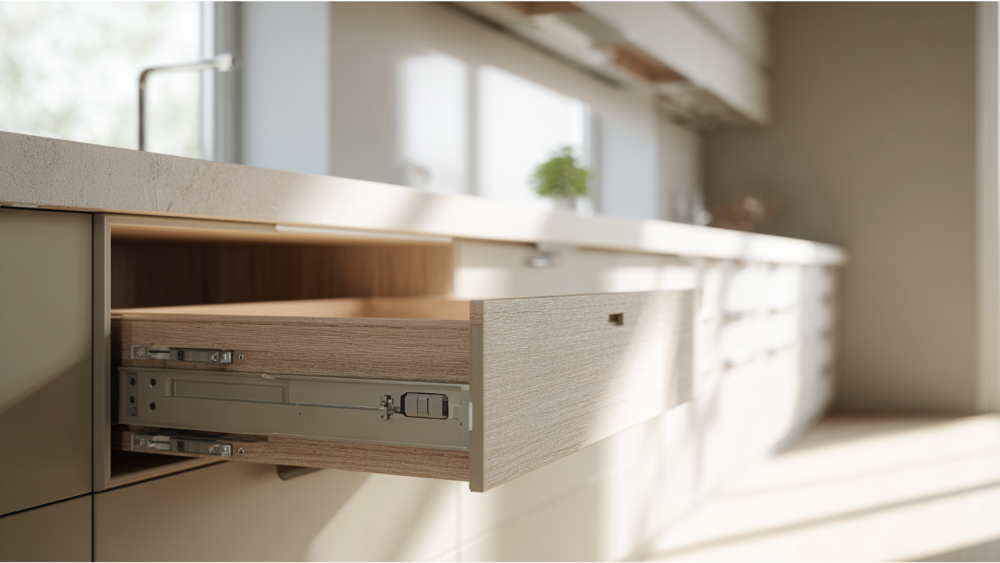
Reducing Wear and Tear
Soft close mechanisms reduce stress on hinges and screws, helping maintain proper alignment and extending the life of cabinetry.
Improving Everyday Use
Cabinet doors that close smoothly improve functionality and protect cabinet edges from damage.
Final Adjustments: The Step Most DIY Installations Miss
Fine Tune for Perfect Results
After installation, installers fine tune cabinet doors to ensure consistent spacing and even gaps. This step ensures all adjacent doors align properly across the entire kitchen.
Post Installation Adjustments
Cabinets may shift slightly after being installed. Experienced installers return to make minor adjustments and ensure doors remain properly aligned.
Common Causes of Cabinet Door Misalignment Over Time
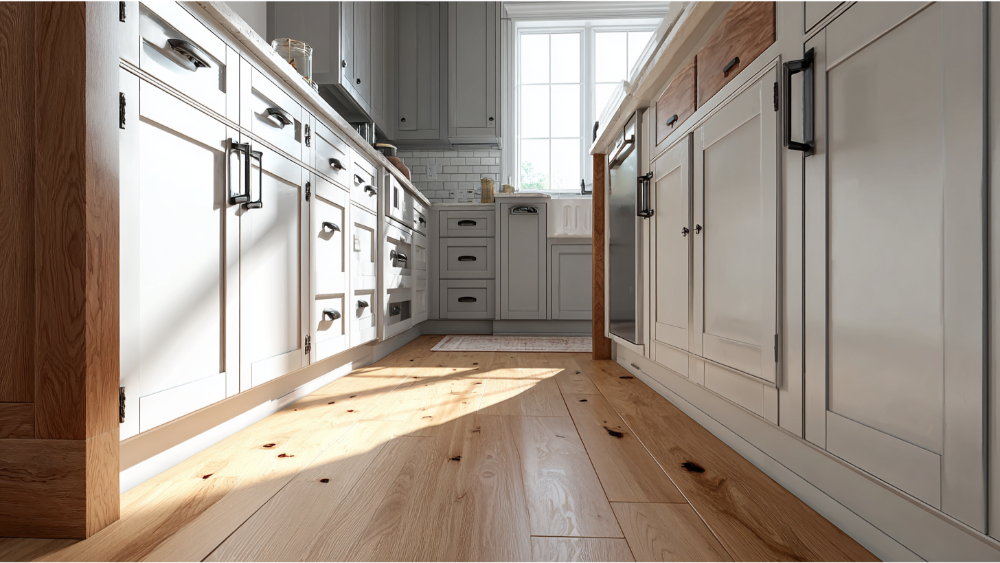
Common cabinet issues include loose screws, worn hinges, and environmental changes. Misaligned doors often result from poor installation or lack of maintenance.
Can You Fix Misaligned Cabinet Doors Yourself?
Simple Adjustments You Can Make
Most homeowners can adjust cabinet doors using adjustable hinges. Small adjustments can fix minor alignment issues.
When to Call Professional Installers
If problems continue, professional installers can identify structural issues with the cabinet box or installation process.
Why Professional Cabinet Installation Makes All the Difference
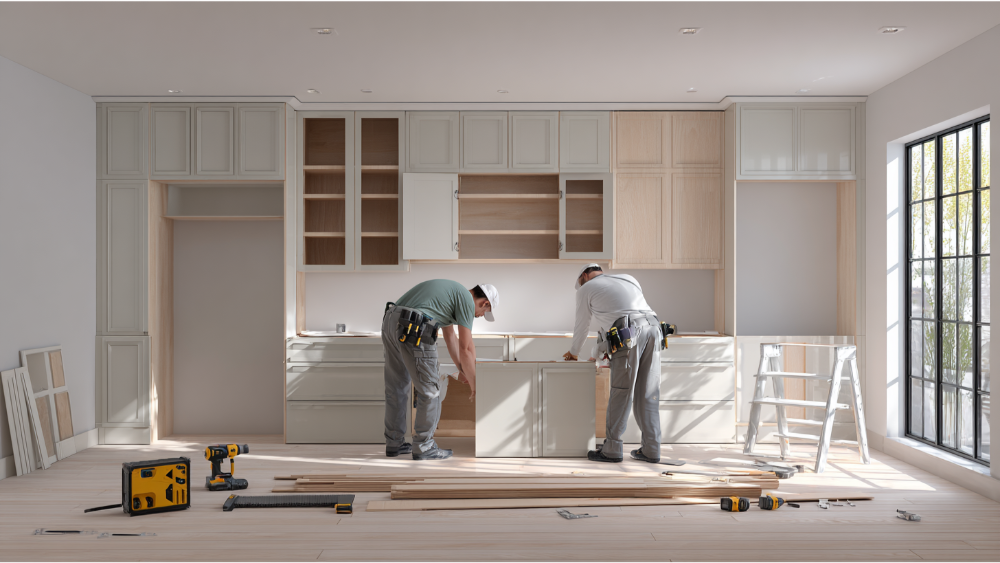
Professional cabinet installation ensures cabinets are installed correctly using accurate measurements, proper tools, and a detailed process. From securing cabinets into wall studs to aligning cabinet doors, every step ensures long term performance.
How Kitchen Search Ensures Long Lasting Cabinet Alignment
At Kitchen Search, our team follows a proven installation process to ensure cabinets stay aligned. We use high quality tools, secure cabinets into wall studs, and fine tune cabinet doors for consistent spacing across the entire kitchen. Our focus is on delivering beautiful cabinets that perform reliably over time.
Step by Step Guide Professional Installers Follow
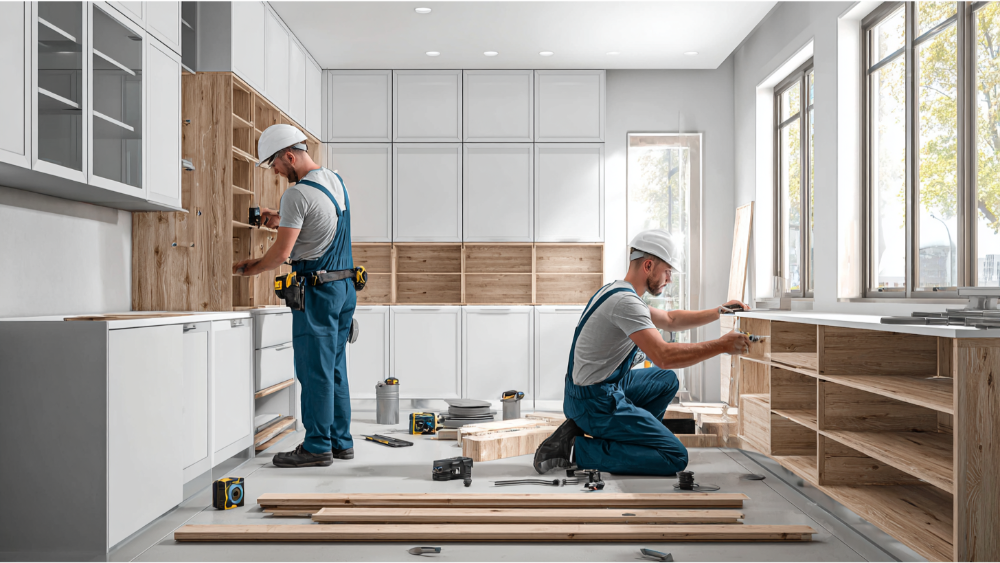
- Start with accurate measurements and plan the cabinet layout to align with walls, floor, and appliances
- Use a stud finder to locate wall studs and mark positions before installation begins
- Install base cabinets first, adjusting for uneven floors and ensuring they are level
- Secure cabinets using mounting screws anchored into wall studs for long term stability
- Install upper cabinets and wall cabinets, ensuring they are aligned with base cabinets
- Connect adjacent cabinets to strengthen the entire run and maintain alignment
- Install cabinet doors using adjustable hinges and secure with properly placed screws
- Double check alignment, gaps, and cabinet frame positioning across the entire kitchen
- Fine tune cabinet doors, making adjustments to ensure consistent spacing and smooth operation
- Perform final adjustments after installation to ensure doors remain properly aligned over time
FAQs About Cabinet Door Alignment
Why do cabinet doors go out of alignment?
Cabinet doors may shift due to loose screws, worn hinges, or environmental changes.
How often should cabinet doors be adjusted?
Most cabinet doors require only occasional adjustments if installed correctly.
Are soft close mechanisms worth it?
Yes, soft close mechanisms help maintain alignment and extend the life of cabinet doors.
Can uneven floors affect cabinet alignment?
Yes, uneven floors can impact how cabinets are installed and lead to alignment issues.
How long should cabinet doors stay aligned?
With proper installation and maintenance, cabinet doors can stay aligned for many years.
Final Thoughts: Alignment Is All About the Details
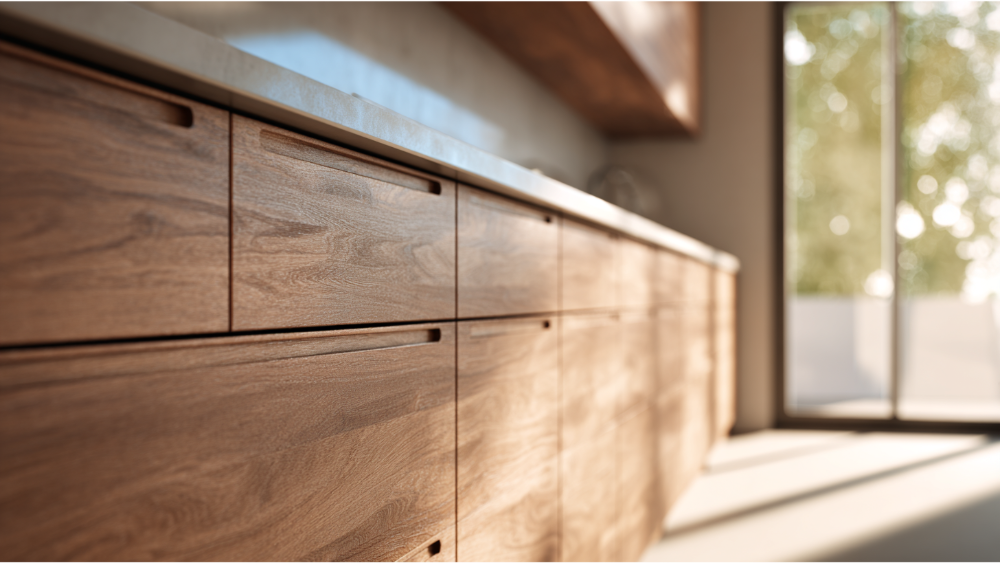
Cabinet installation is a detailed process that requires precision and expertise. From leveling cabinets on uneven floors to securing them into wall studs, every step ensures proper alignment. When cabinets are installed correctly, cabinet doors remain properly aligned, gaps stay even, and your entire kitchen looks polished. Kitchen Search is committed to delivering cabinetry that combines durability, function, and long lasting beauty.