
How to Paint Kitchen Cabinets Without Sanding (Complete DIY Guide with All the Tips)
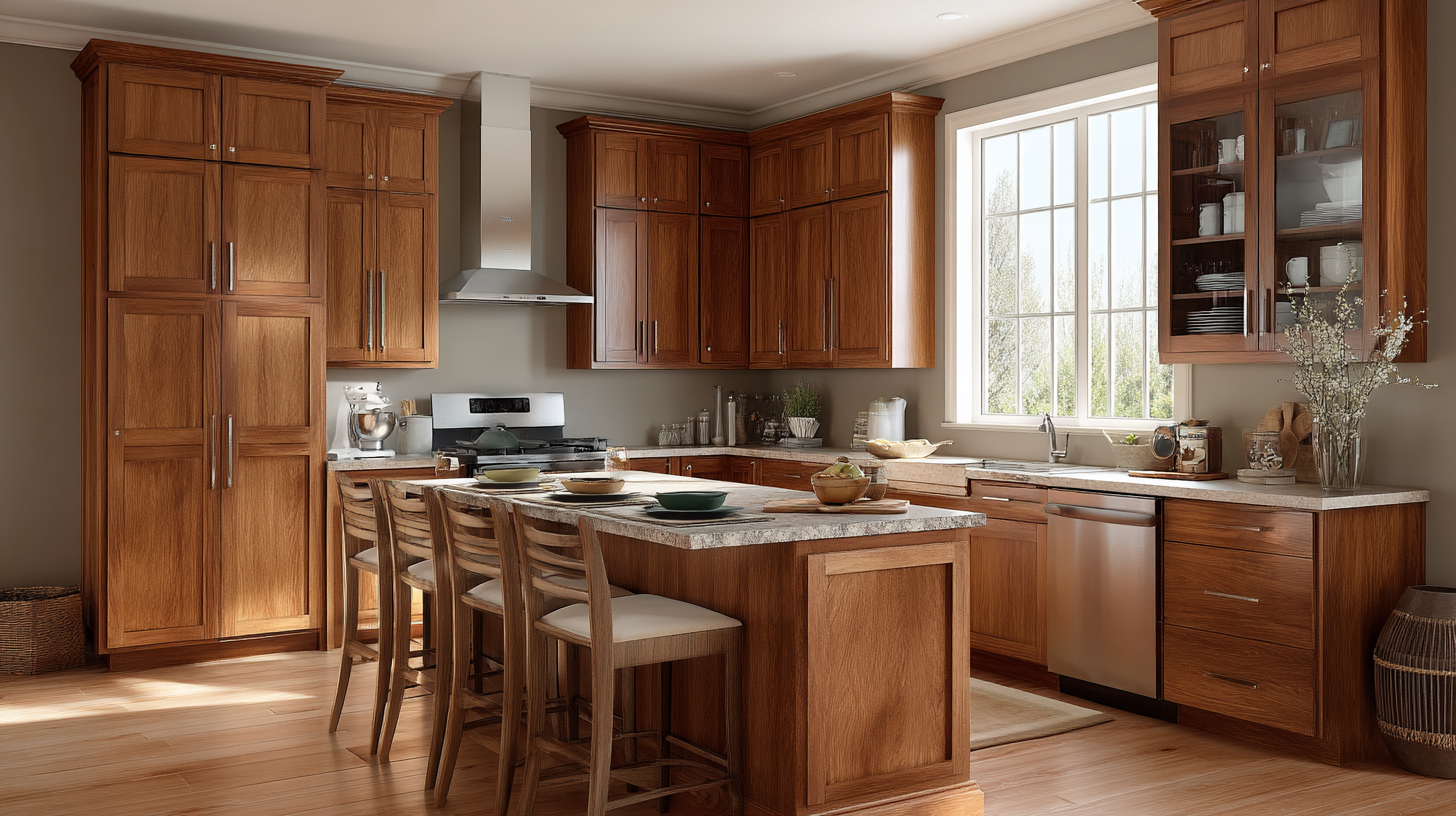
If your kitchen feels outdated but a full remodel isn’t in the budget, learning how to paint kitchen cabinets without sanding could be the super easy solution you need. Years ago, sanding was the gold standard for repainting cabinets. It was messy, time-consuming, and required serious effort. But now, thanks to advancements in primer and paint technology, there are other ways to get great results without the dust.
In this complete DIY guide, you’ll get all the details and tips needed to paint kitchen cabinets without sanding. We’ll walk you through every step of the process, including a review of recommended products that actually work, and help you decide whether to DIY or call in the pros. Whether your goal is to brighten up dark cabinet doors, change your kitchen color palette, or avoid spending money on new cabinets, this method can help you refresh your space with minimal hassle and cost.
Can You Really Paint Kitchen Cabinets Without Sanding?
Yes, it’s entirely possible to paint cabinets without sanding, and thousands of DIYers and friends have done it successfully. But don’t forget the prep. Skipping sanding doesn’t mean skipping cleaning, priming, or using the right products.
The traditional reason for sanding is to rid the surface of its gloss and scuff it up so primer and paint can adhere. When you skip sanding, you need to replace that abrasion with other solutions like liquid deglossers and bonding primers. As long as your kitchen cabinets are in good shape, the existing finish is intact, and you follow each step carefully, this method will leave you with a durable, beautiful result.
However, if your cabinets are peeling, flaking, or covered in a thick gloss, a little light sanding might still be necessary. That said, this process is designed to minimize sanding as much as possible while still achieving a smooth and lasting coat.
What You’ll Need to Paint Cabinets Without Sanding
Before you jump into the painting process, it’s important to gather the right tools and materials. Using the right products will save you time and give your cabinets a longer life.
Basic Supplies:
- Heavy-duty degreaser or cleaner (like TSP)
- Liquid deglosser (also called liquid sandpaper)
- Bonding primer (made for glossy or sealed surfaces)
- High-quality cabinet paint (choose different paint types depending on your goals)
- Angled paintbrush for detail work
- Mohair roller or foam roller to roll for smooth coverage
- Painter’s tape
- Tack cloth for dust removal
- Drop cloths or plastic sheets
Optional but Helpful:
- Screwdriver or drill to remove cabinet doors and hardware
- Mask and gloves for safety
- Paint sprayer (if you want a professional sprayed finish)
Step-by-Step: How to Paint Kitchen Cabinets Without Sanding
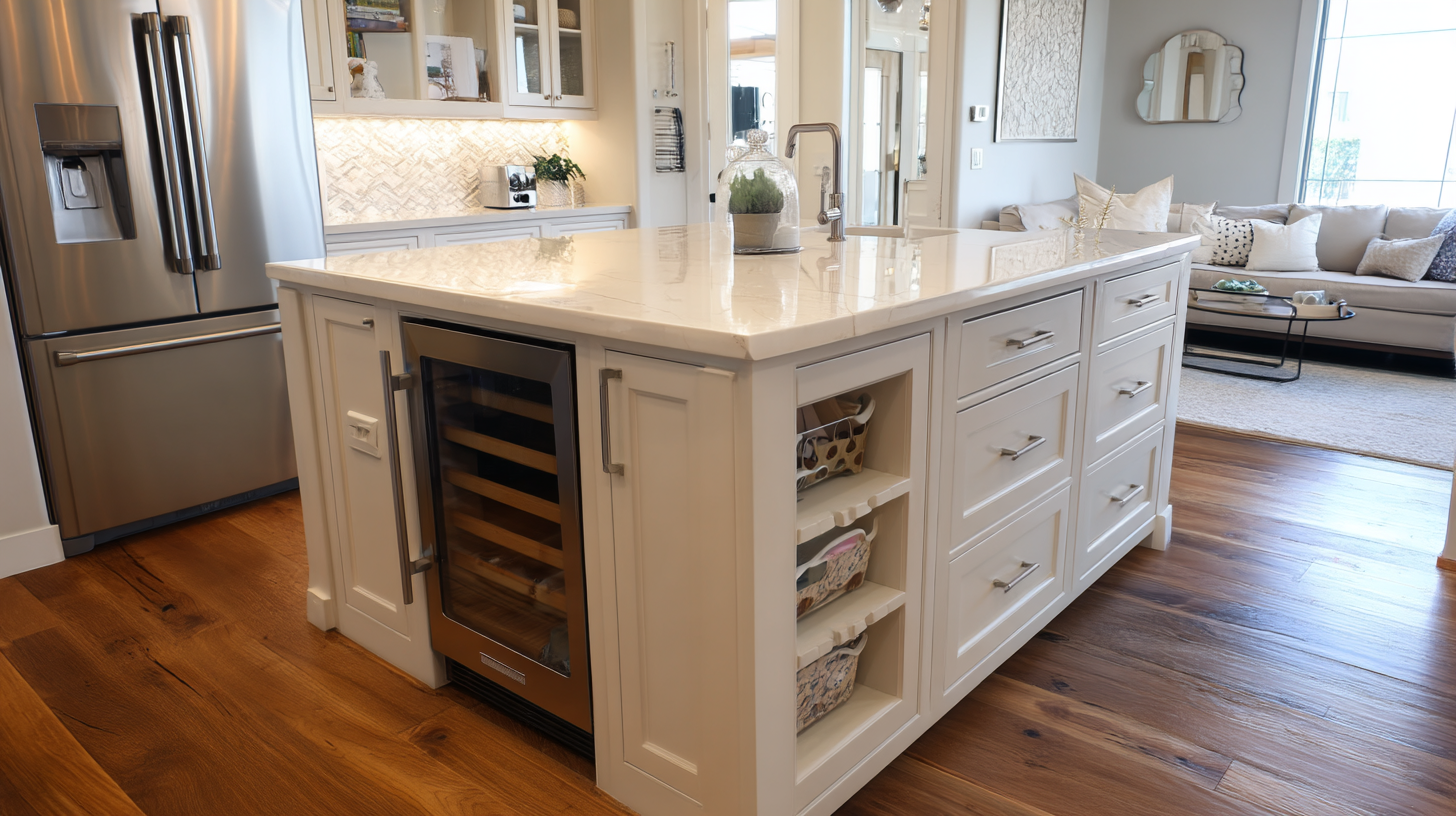 This method works best when you follow the process closely. Don’t skip steps and be sure to give each coat the right dry time. A rushed job leads to brush strokes, visible imperfections, and flaking later on.
Step 1: Remove Doors, Drawers, and Hardware
Take off all cabinet doors and remove drawers so you can paint cabinet frames separately. Label everything to make reinstallation easier. Put the hinges, knobs, and other hardware in plastic bags to keep them organized.
Step 2: Clean Every Surface Thoroughly
Paint will not stick to grease, grime, or old food residue. Clean every part of your kitchen cabinets with a degreaser. Pay extra attention to areas near the stove or sink. After cleaning, wipe everything down again with water to remove residue. Use a tack cloth to collect any dust or debris.
This is one of the most important steps. Even a tiny amount of grease can cause paint to peel or bubble.
Step 3: Apply Liquid Deglosser
A liquid deglosser replaces the sanding process by dulling the existing finish. Pour it onto a clean cloth and wipe down all cabinet surfaces. Follow the manufacturer’s directions closely. Let the surface dry thoroughly. Use a tack cloth again after drying to ensure no lint or debris is left behind.
This step prepares the cabinets for primer without damaging the wood grain or requiring a sander.
Step 4: Prime the Cabinets with Bonding Primer
This step is non-negotiable. Bonding primer is specially formulated to stick to smooth, glossy surfaces. Apply one thin, even coat to all cabinet doors, drawers, and cabinet frames. Use a high-quality paintbrush for corners and a mohair roller for flat surfaces. Let the first coat dry fully.
Bonding primers work by creating a sticky surface for the paint to grip. They’re essential when skipping sanding and can cover stains, discoloration, and wood grain inconsistencies.
If necessary, apply a second coat for full coverage, especially if your cabinets had a dark or red-toned old finish.
Step 5: Apply the First Coat of Paint
Now comes the exciting part, adding color. Choose a cabinet-grade paint that resists scratches and is designed for high-traffic areas. Waterborne alkyd paints and enamel finishes are some of the most durable options.
Use an angled paintbrush for corners and detail work, and a mohair roller or foam roller to roll broad surfaces. Apply the first coat of paint in long, even strokes. Don’t overload the brush, and avoid going over the same area repeatedly.
Let the paint dry fully before moving to the next step. Drying times vary, but most paint needs at least 6–8 hours to cure properly.
Step 6: Apply the Second Coat
Once the first coat is completely dry, lightly run a tack cloth over the surface to remove any tiny dust particles. Then apply the second coat of paint. Use the same technique and tools to ensure even coverage.
Two coats are typically enough, but if your cabinets were very dark or if you see uneven coverage, a third coat may be necessary. Always wait the recommended amount of time before adding more coats.
Step 7: Optional Top Coat for Extra Durability
If your kitchen gets a lot of use, consider applying a top coat or sealer. This adds durability and protects the paint from moisture, heat, and daily wear. Choose a non-yellowing, water-based topcoat that won’t affect the color of your cabinets.
Apply the topcoat with a clean paintbrush or roller in thin layers. Allow it to cure fully before reassembling your kitchen.
Step 8: Reattach Doors and Hardware
Once everything is dry and cured, reattach the cabinet doors, drawers, and hardware. Take your time lining everything up so your kitchen looks professionally finished.
Tips to Avoid Common DIY Painting Mistakes
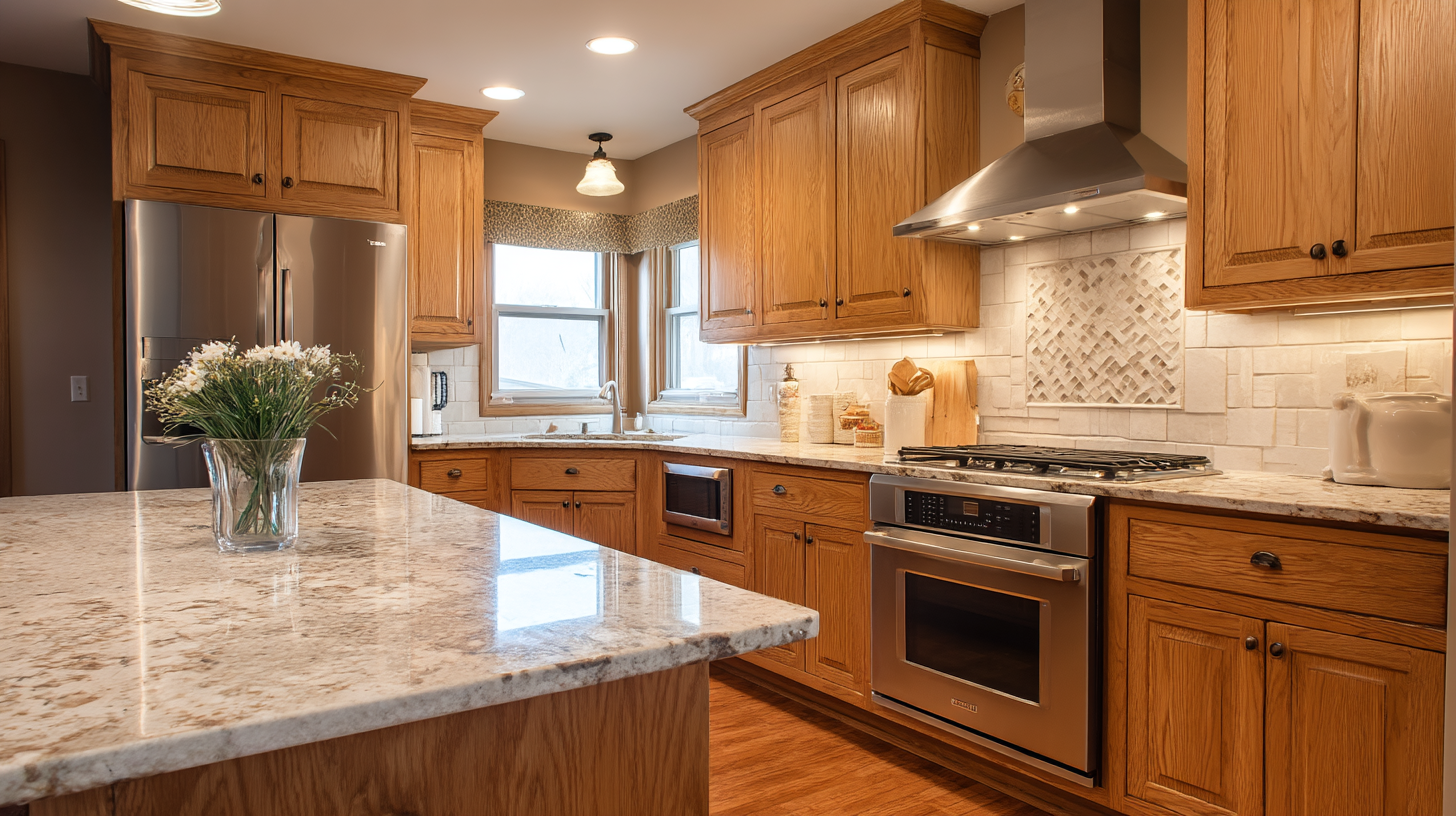 Here are all the tips you need to avoid common pitfalls and ensure great results:
- Always clean thoroughly before painting
- Use a tack cloth after every coat to remove dust
- Avoid thick coats, thin layers dry smoother and last longer
- Don’t paint over damaged or peeling areas without fixing them
- Let each coat dry completely before the next
- Label hardware and hinges so reassembly is easier
- Avoid painting in humid or cold conditions
- Wait at least 7 days before heavy use to let the paint cure fully
Recommended Products for No-Sand Cabinet Painting: A Quick Review
These are some of the top recommended products that DIYers and pros alike trust for the no-sand painting method. Many are often in stock at your local hardware store or online for quick delivery, so you can start your project in one day.
- Degreaser: Krud Kutter or TSP Substitute
- Liquid Deglosser: Klean-Strip Liquid Sandpaper
- Bonding Primer: Zinsser 1-2-3, Kilz Adhesion, INSL-X STIX
- Cabinet Paint: Benjamin Moore Advance, Sherwin-Williams Emerald, or Behr Alkyd Enamel
- Topcoat: General Finishes High Performance Water-Based Top Coat
Pros and Cons of Skipping Sanding
Pros:
- Saves time and effort
- Reduces dust and mess
- Protects delicate wood veneers or cabinet frames
- Easier for beginners or quick makeovers
Cons:
- Requires strict cleaning and priming for proper adhesion
- Can result in peeling or chipping if steps are skipped
- May not last as long as sanded and sealed paint jobs
When to Skip DIY and Hire a Pro
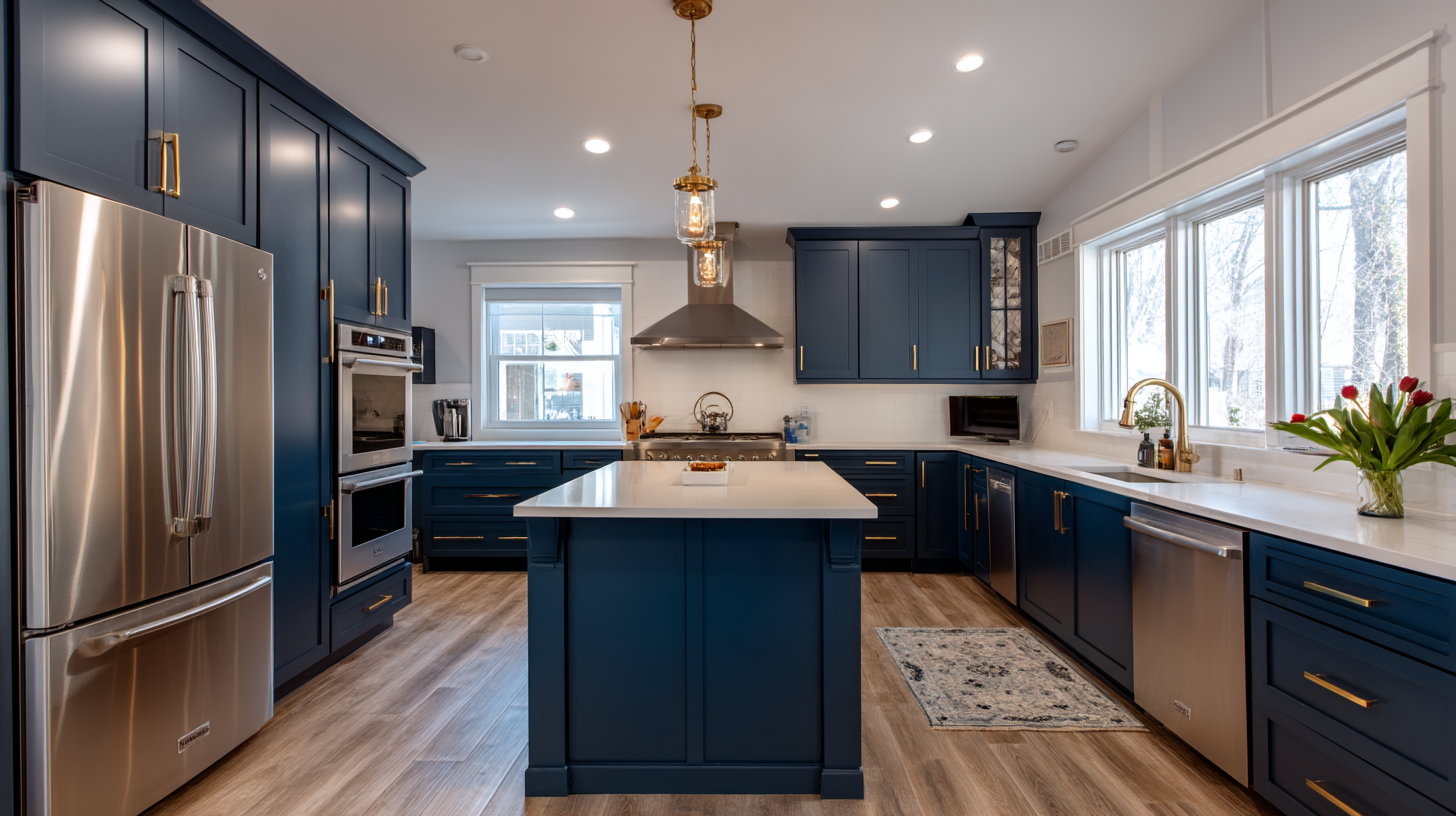 While this method can be awesome for DIYers, there are times when professional services might be a better fit:
- Your cabinets have a damaged or uneven surface
- The existing finish is peeling or sticky
- You want a sprayed finish with zero brush strokes
- You don’t have time for a multi-day project
- You’ve tried painting before and had trouble with adhesion
Professional painters can also offer durable finishes that last several years longer than most DIY jobs. Plus, they can replace hardware, doors, or even install new cabinets if needed.
FAQs About Painting Kitchen Cabinets Without Sanding
Will paint stick to cabinets without sanding?
Yes, if you use a bonding primer and properly clean and degloss the surface. Skipping sanding works best when the cabinets are in good condition and the old finish is intact.
What kind of paint is best for kitchen cabinets?
Cabinet-specific paints like enamel or waterborne alkyds are best. These offer a smooth finish and excellent durability in high-traffic areas like kitchens.
How long does painted cabinetry last?
With proper prep and care, painted cabinets can last 5 to 10 years or more. Touch-ups and a protective topcoat can help extend their lifespan.
Can I use chalk paint to avoid sanding?
Chalk paint can work, but it often requires a wax sealer and may not be as durable for kitchens. For lasting results, use a bonding primer and cabinet-grade paint instead.
Do I need a sealer after painting?
Not always. Many cabinet paints are durable enough on their own. However, if your kitchen sees a lot of traffic or moisture, a water-based topcoat is recommended.
Final Thoughts on Painting Kitchen Cabinets Without Sanding
Learning how to paint kitchen cabinets without sanding is a game-changer for budget-friendly kitchen makeovers. With the right prep, quality products, and attention to detail, you can transform old cabinets into something that looks brand new.
The process isn’t hard, but it does take patience. Don’t rush through cleaning or forget steps like priming or using a tack cloth. Those small things make a big difference in how your paint adheres and how long your cabinets will last.
Whether you’re giving your space a fresh look for yourself or getting your house ready to sell, this no-sand painting method is a reliable way to get great results without the mess.
Want to redo your kitchen without replacing cabinets? This method can save money, reduce waste, and deliver a visible transformation in just one day. Follow this post and you’ll be surprised how awesome your cabinets can look, without sanding at all.
For extra help, check out our video tutorials that show all the details of each step, from cleaning to rolling the final coat. Grab your paintbrush and roller, and get ready to roll out a stunning kitchen makeover!