
Why Repaint Kitchen Cabinets Is A Smart Choice In 2025
Repainting your kitchen cabinets is one of the most impactful and budget-friendly ways to refresh and revitalize your kitchen. Instead of investing in costly new cabinetry, a fresh coat of paint can transform your space with modern colors and finishes that reflect the latest trends. This approach not only revitalizes your kitchen’s aesthetic but also helps reduce waste by giving your existing cabinets a second chance to shine. By refinishing both the cabinet doors and the cabinet boxes, you can achieve a complete, professional-quality makeover that elevates the entire room.
Is Painting Cabinets Worth It: Pros & Cons
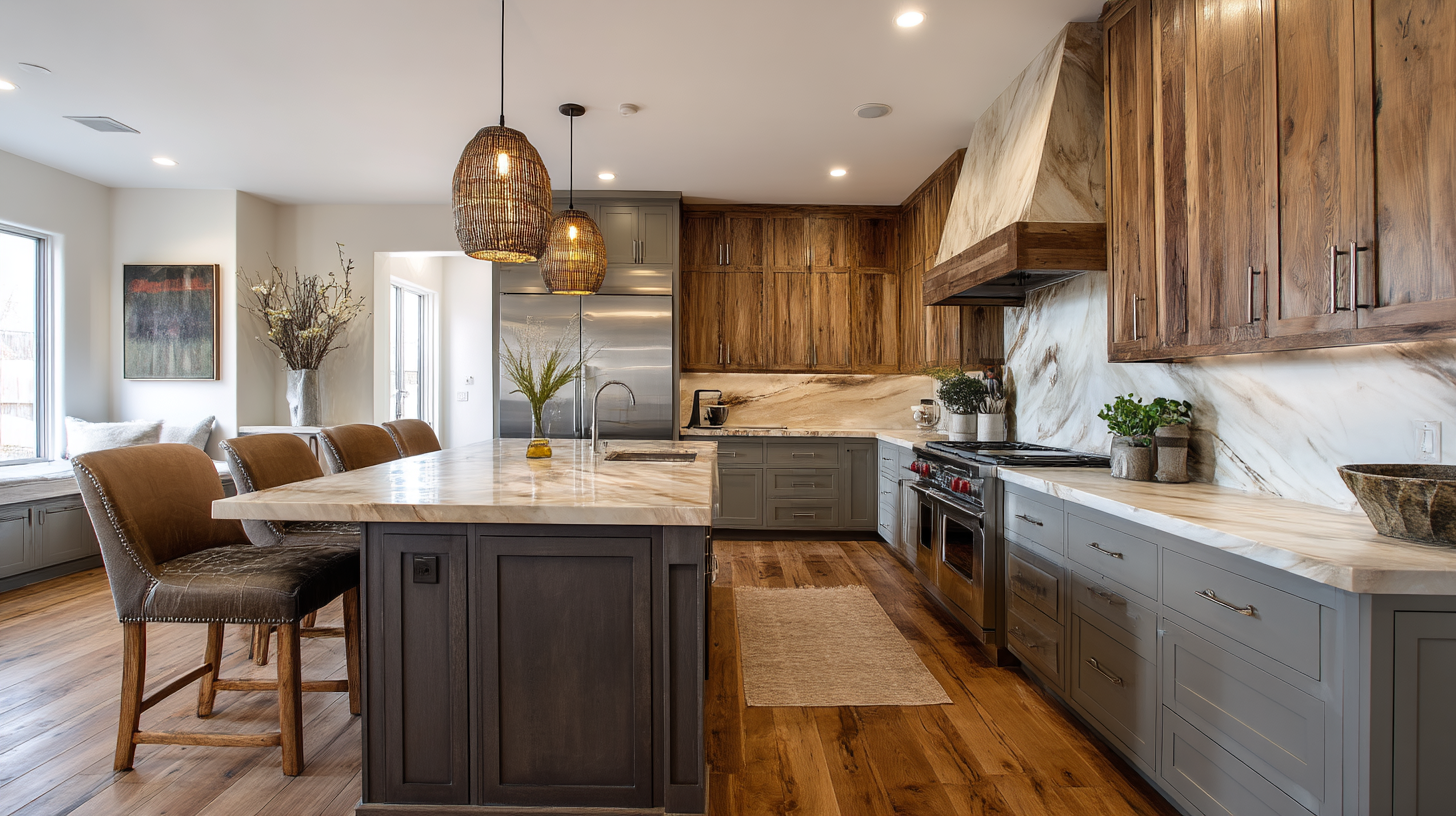 Benefits Of Repaint Kitchen Cabinets
Repainting kitchen cabinets gives you control over color, finish, and style, and it’s far more cost effective than replacing wood cabinets entirely. You get to breathe new life into flat surfaces that are structurally sound, customize finishes like semi gloss or gloss finish, and avoid demolition. Plus, you can tap into popular trends in cabinet paint colors to boost kitchen appeal. Using a high-quality cabinet paint combined with the right primer and applying light coats ensures a durable and smooth clear finish that can last for years.
Drawbacks Of Painting Kitchen Cabinets
Painting cabinets can be labor intensive, especially when prepping old paint, sanding, priming, painting, and curing takes time. If prep is rushed, you get brush marks, peeling, or a less durable finish, and an inferior paint job can look worse than before. Professionals may charge between two thousand and six thousand five hundred dollars, which is more expensive than a DIY but still cheaper than new cabinets. Applying the correct number of coats, typically two coats or three coats, and allowing each coat to be completely dry before the next application is crucial for a lasting finish.
What You’ll Need, Tools, Paints, And Materials
 Paint Types And Primers
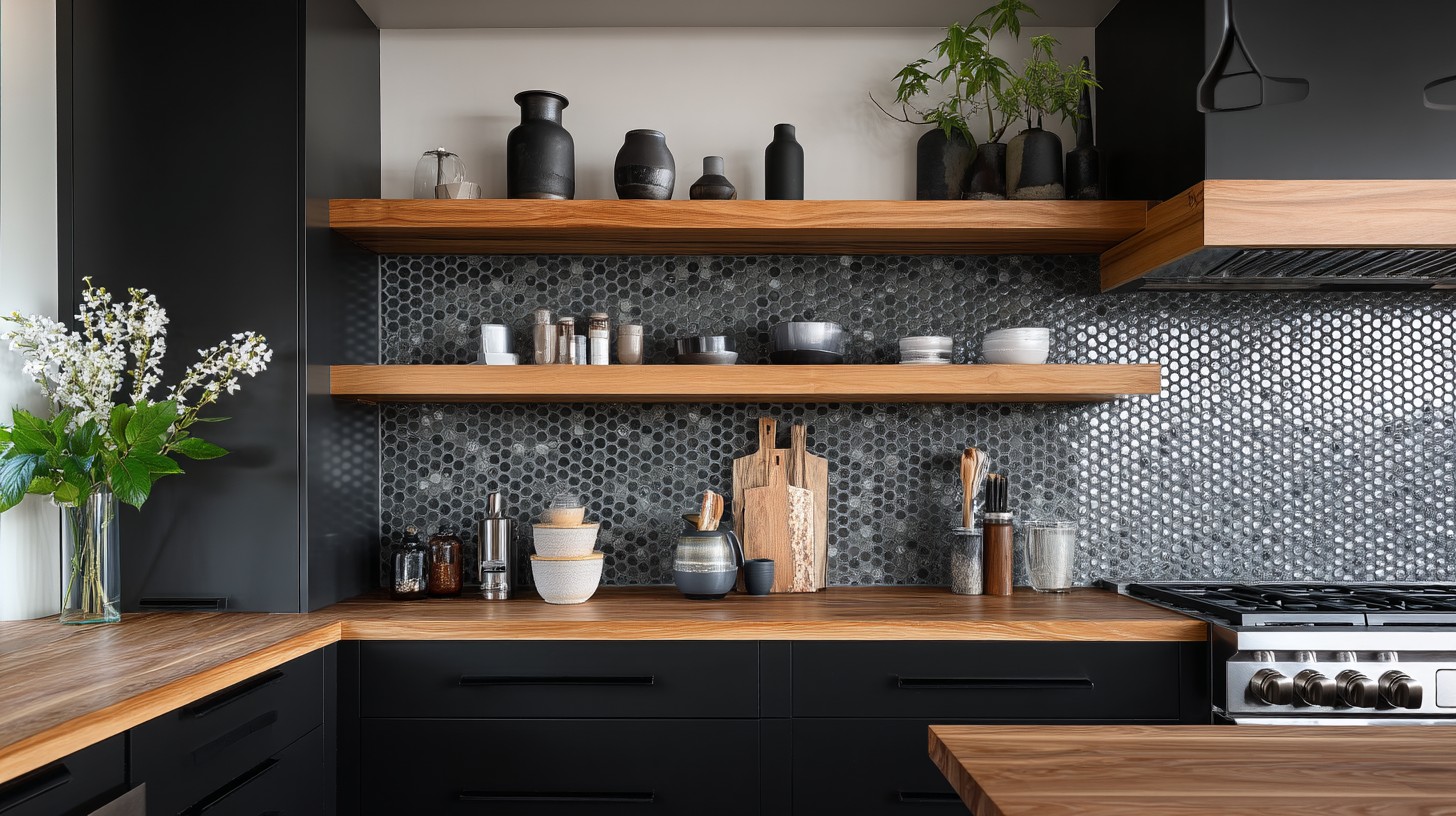 Paint Types And Primers
Choose a high‑quality primer like Benjamin Moore Fresh Start or KILZ 3® PREMIUM Primer for excellent adhesion and to block stains on previously painted or wood grain surfaces. Use cabinet paint designed for durability and cleaning, such as Benjamin Moore Advance or Sherwin‑Williams Emerald Urethane Trim Enamel in semi gloss or gloss finish; these deliver a smooth finish that lasts. Latex paint options are easier to clean and environmentally friendly, though oil‑based alternatives can offer a more durable finish but require more ventilation. Selecting the right different paint for your cabinets can make a big difference in the final appearance and durability.
Tools And Prep Supplies
Have on hand medium grit sandpaper or sanding block to lightly sand cabinet surfaces, flat areas, cabinet boxes, and frames. Gather a brush for edges, a mini roller for flat surfaces, painter’s tape to protect adjacent areas, tack cloth to remove dust, paint stick for mixing, steel wool if you need to smooth old paint, wood filler for hardware holes or damage. You’ll need to remove old hardware and cabinet doors, drop cloths to protect your workspace, and follow the manufacturer’s instructions for drying times and application techniques. Using a top coat or clear coat as a final sealant will protect your work and enhance durability.
5 Steps For How To Prep Kitchen Cabinets For Painting
Step 1 | Remove All The Cabinet Doors And Hardware
Carefully remove all the cabinet doors and cabinet hardware, label each door and set of screws so reassembly is smooth and error free. Removing old hardware allows you to replace it with new hardware for an updated look.
Step 2 | Clean And Degrease Thoroughly
Use a good cleaner or degreaser to remove kitchen grime, wipe and rinse then allow it to dry completely before proceeding.
Step 3 | Sand Or Scuff Sanding
Use medium grit sandpaper or a sanding block to lightly sand cabinet surfaces, frame, flat areas, and cabinet boxes until the existing finish is dulled and scuff sanding is effective. Clean up sanding dust with vacuum or microfiber cloth, then use tack cloth for a dust free surface.
Step 4 | Fill Holes And Imperfections
Use wood filler to address any scratches or hardware holes, sand smooth after drying and wipe down again with tack cloth.
Step 5 | Prime Flat Surfaces And Frames
Apply thin coats of high quality primer to cabinet frames, boxes, and all the cabinet doors. Primer ensures excellent adhesion and prepares surfaces for paint. Allow it to dry fully following manufacturer’s instructions.
6 Steps For How To Repaint Kitchen Cabinets
Step 1 | Choose Brushing Or Spraying
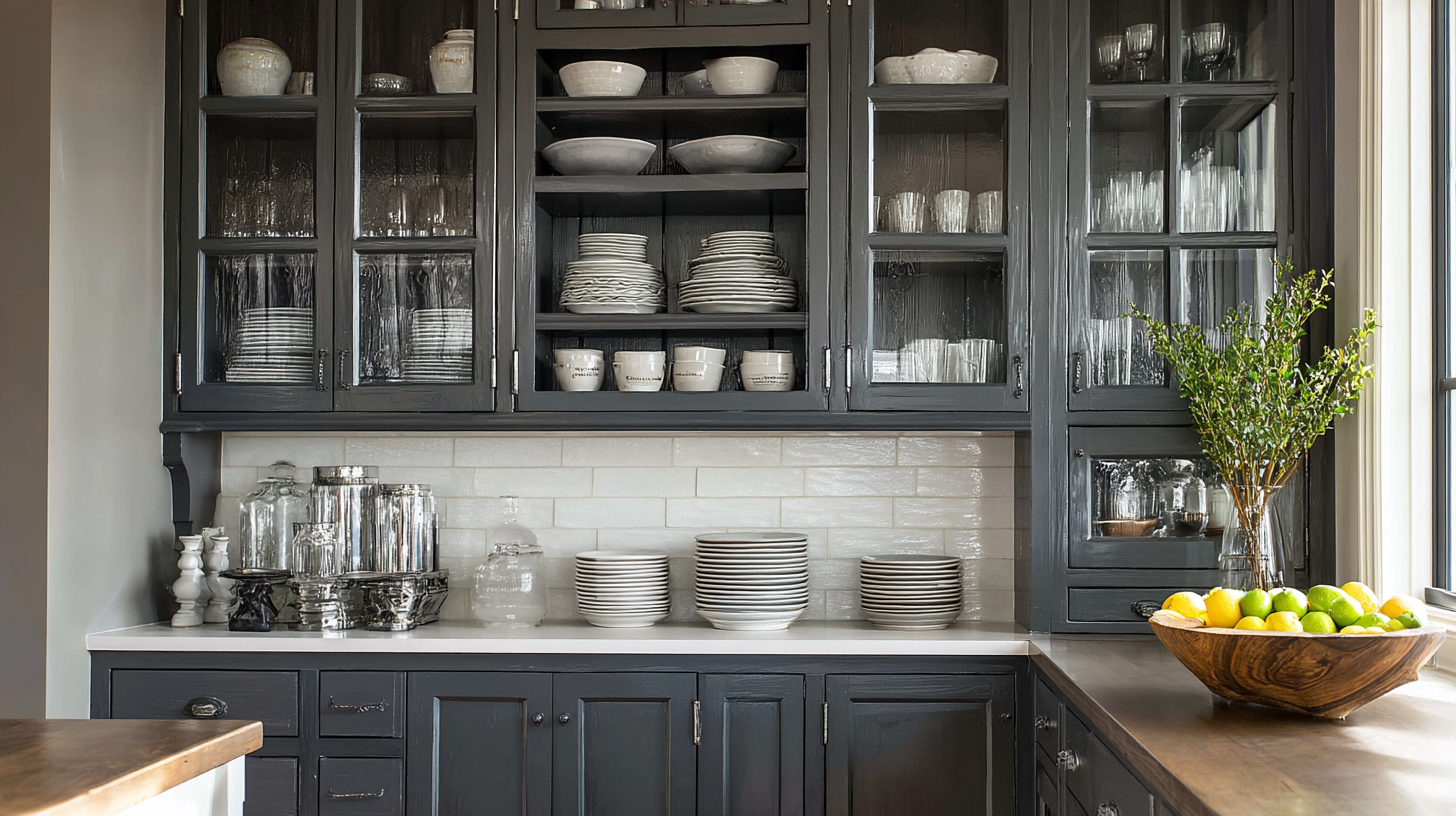 Step 1 | Choose Brushing Or Spraying
A brush and mini roller combo offers good control for a DIY painter. Applying paint to edges with a brush and flat surfaces with a roller yields a smooth finish. A sprayer can create a more consistent smooth finish more quickly, but requires extensive masking and ventilation.
Step 2 | Apply The First Coat Of Paint
Use brush and roller to give a thin first coat of paint, feather edges to avoid build up. Applying light coats helps prevent runs or brush marks and allows for better adhesion.
Step 3 | Sand Between Coats
Once the first coat is completely dry, lightly sand with fine sandpaper or sanding block and remove dust with tack cloth or slightly damp rag.
Step 4 | Apply Second Coat
This coat should give complete coverage, particularly over areas where primer may show through. Two coats often provide the necessary durability and appearance, but some projects may require three coats for a finish coat that is truly flawless.
Step 5 | Add More Coats If Needed
For full coverage and extra durability, a third coat may help, especially in high‑traffic kitchens or darker colors.
Step 6 | Let Cabinets Dry Completely Before Reassembly
Allow at least twenty‑four hours between coats and ideally three weeks for full cure. Follow paint manufacturer’s instructions for curing time to ensure a durable finish. After the finish coat is fully cured and completely dry, you can reinstall the cabinet doors and attach new hardware for a fresh, updated kitchen look.
Achieving A Smooth Finish And Avoiding Mistakes
Common Mistakes To Avoid
Skipping prep, applying thick coats, not letting paint cure fully before reattaching cabinet doors, neglecting to label hardware, or using the wrong paint can all harm the outcome.
Brush Vs Spray Comparison
Brush and roller are more forgiving and easier for novices but may leave brush marks, while spraying is faster and gives a smoother finish but needs prep and potential touch‑ups in wood grain areas.
Tips For A Smooth, Durable Finish
Use thin coats, sand between coats, remove dust with tack cloth, use quality primer, follow manufacturer’s drying and product usage guidance, and ensure good ventilation throughout the project. Applying a clear coat or top coat as the final step enhances the durability and appearance of your cabinets by providing a protective clear finish.
How Much Does It Cost To Paint Kitchen Cabinets
Diy Cost Breakdown
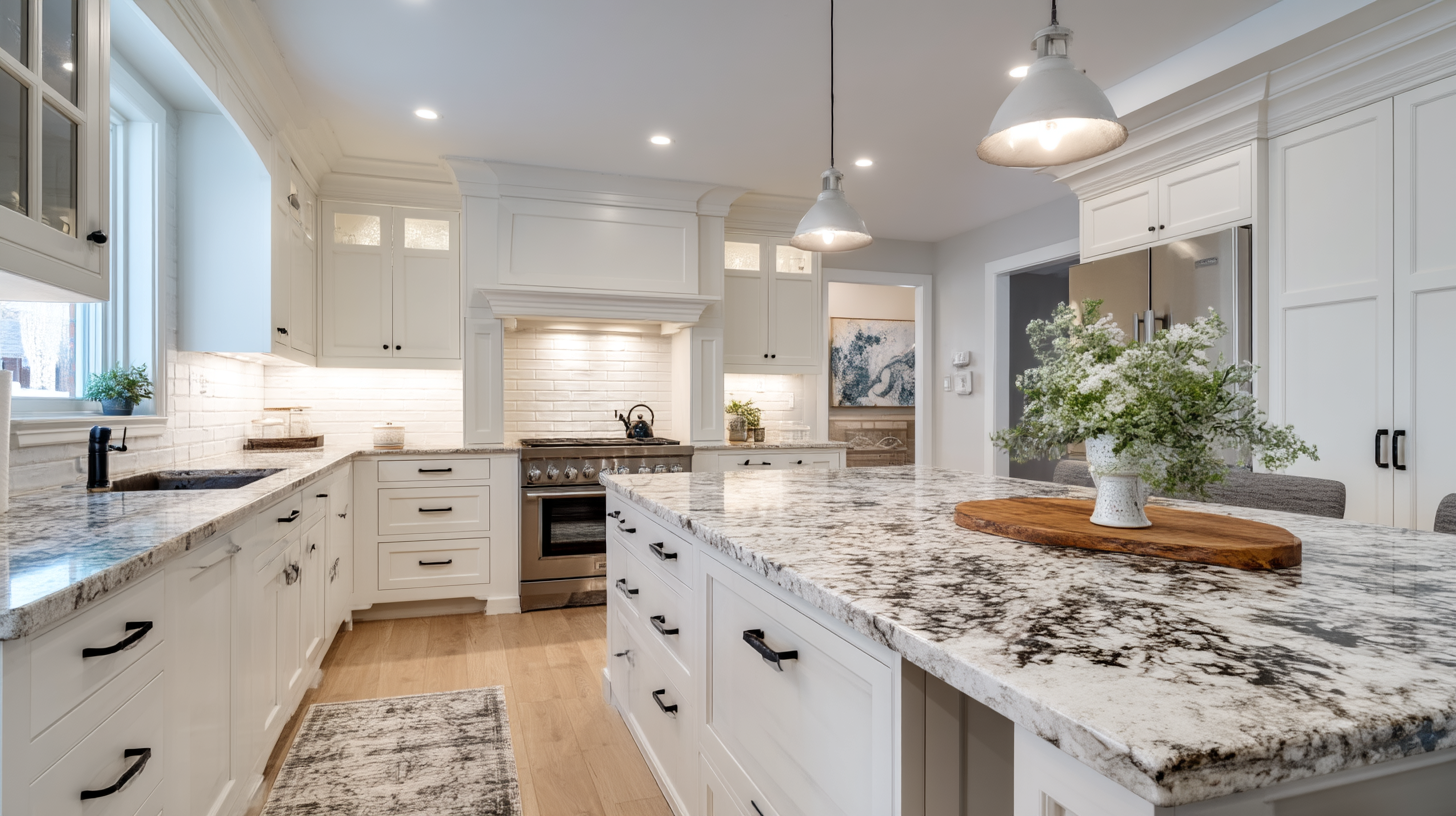 Diy Cost Breakdown
For DIY, calculate cabinet paint, primer, tools, sandpaper, brush, roller, tack cloth, painter’s tape, and supplies. Total typically between two hundred and six hundred dollars depending on scale and materials.
Professional Cabinet Painting Costs
Professionals charge between two thousand and six thousand five hundred dollars, still far less than replacing with new cabinets. The ROI on repainting kitchen cabinets remains strong due to cost savings versus full remodels.
Should You Hire Professionals Or Diy
When To Consider Hiring The Pros
If you want a factory quality finish, lack time or skill, or are fretting over brush marks or uneven finish, hiring pros makes sense.
What Pros Bring To The Table
Pros handle all prep, primer, painting, clean up, and reassembly, often standing behind their work with warranties and using best paint and techniques for lasting results.
How To Choose A Good Cabinet Painter
Look for contractors experienced in cabinet painting, ask for before and after photos, verify they use durable cabinet paint and follow manufacturer’s instructions, and ensure they include proper curing time.
Maintenance Tips, Longevity, And Using Cabinet Paint Wisely
Cleaning Painted Cabinets
Use mild soap and water on a soft cloth, avoid harsh cleaners and abrasive pads, especially if using latex paint or older finishes.
Touch‑Ups And Longevity
Keep leftover paint for touch‑ups, use fine brush for chips, blend edges softly. A durable finish can last 8‑10 years when properly maintained.
Final Thoughts On Durability
Using proper prep, primer, paint stick and product, carefully applying thin coats, and waiting for full cure ensures your kitchen cabinets enjoy years of use. The application of a quality top coat or clear coat finish is key to protecting your paint and maintaining a beautiful clear finish over time.
Frequently Asked How To Repaint Kitchen Cabinets Questions
What Type Of Paint Is Best For Kitchen Cabinets
Use durable cabinet paint such as Benjamin Moore Advance or Sherwin‑Williams Emerald Urethane Trim Enamel in semi gloss, choose latex for easier cleanup or oil based for added toughness.
Can You Paint Cabinets Without Sanding
Some specialized formulas like milk paint claim no‑sand methods, but scuff sanding delivers better adhesion and reduces peeling risk.
How Long Does Paint Take To Cure
Let each coat dry twenty‑four to forty‑eight hours and allow full cure over one to three weeks as per manufacturer’s guidance for a durable finish.
Do You Need To Remove Cabinet Doors
Yes, removing all the cabinet doors allows even, full coverage and avoids getting paint on unintended surfaces.
Will Painted Cabinets Chip Easily
Not if properly prepared and painted using thin coats, high‑quality primer and cabinet paint, and allowed to fully cure before use.
Final Thoughts
Repainting your kitchen cabinets is a cost-effective and transformative way to refresh your kitchen’s look without the expense of a full remodel. By carefully following the steps of proper preparation, using high-quality primer and cabinet paint, applying thin coats, and allowing ample drying and curing time, you can achieve a smooth, durable finish that revitalizes your space for years to come. Whether you choose to DIY or hire a professional, investing the time and effort into repainting your cabinets is sure to enhance both the beauty and value of your kitchen.