Ultimate Guide to Kitchen Paint Colors 2026: Trends & Tips
Key Takeaway: Discover 2026 kitchen paint color trends focusing on earth tones, soft neutrals, and bold accents to create a warm and inviting space. Explore the impact of color on mood, eco-friendly paint options, and practical tips for harmonizing colors with cabinetry and open spaces. Enhance your home’s value with strategic color choices tailored to modern design trends.
Emerging Trends in Kitchen Paint Colors 2026
Earth Tones and Soft Neutrals
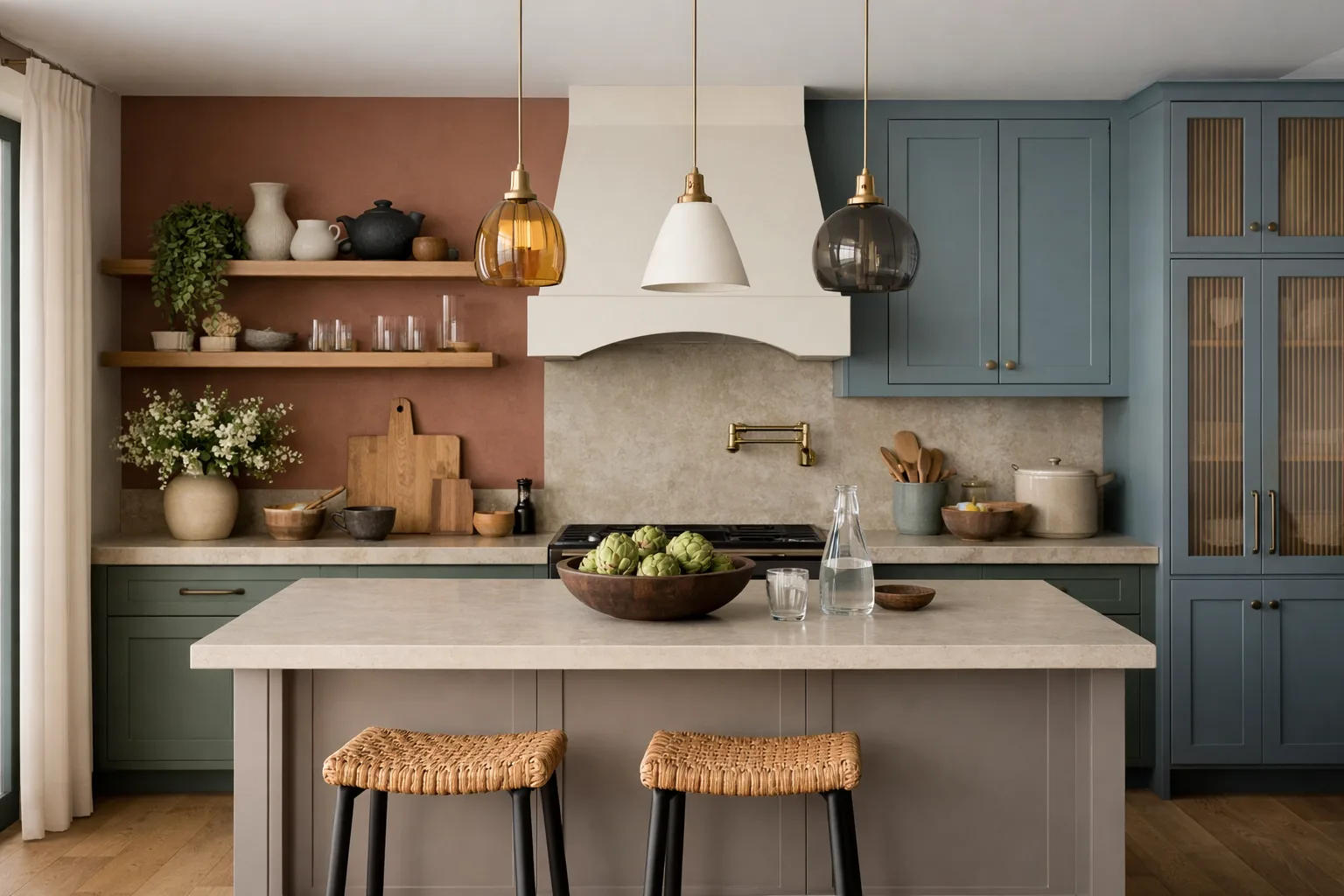
In 2026, kitchen paint colors gravitate towards earth tones and soft neutrals, offering a timeless appeal that resonates with modern sensibilities. These warm neutrals and muted hues harmonize with natural materials like wood and stone, creating a sense of tranquility in the kitchen space. Elements such as warm undertones and subtle warmth in colors like universal khaki and melodious ivory contribute to a soothing atmosphere that welcomes you into the heart of the home.
Earth tones are expertly paired with natural light to enhance the overall ambiance and make the kitchen feel more spacious and inviting. Interior designers are embracing this palette for its versatility, allowing it to complement a variety of cabinetry finishes and hardware like matte black. Whether used as a primary color or an accent wall, these hues are shaping the way kitchens feel grounded yet innovative. By using layered shades, homeowners can add depth and dimension to their kitchens, ensuring a dynamic yet cohesive look.
Incorporating these colors with contrasting bold elements such as bolder hues or matte black hardware can further add contrast and character, allowing focal points in the kitchen to stand out. For instance, a subtle universal khaki could pair beautifully with deep grained natural stone countertops, providing a sophisticated yet accessible aesthetic.
Bold Accent Colors
Alongside the rise of soft neutrals, bold accent colors are making a statement in 2026 kitchen design. Bolder hues like deep navy and rich forest green are taking center stage, providing vibrant contrast and allowing designers to showcase creativity. These strong colors add depth and personality to the kitchen, especially when applied strategically in feature walls or contrasting against lower cabinets.
By integrating bold accents with warm neutrals, a space can achieve both comfort and visual intrigue. For instance, a deep navy accent wall can bring a sense of elegance against universal khaki kitchen cabinets, offering a layered and balanced design. Such dynamic contrasts invigorate the room, making it feel both inviting and stylish, matching the latest color trends.
Choosing the right accent color involves considering the overall mood and how it complements existing kitchen elements and natural materials. This ensures that the accent does not overpower softer standing hues, but rather enhances them to transform any kitchen into a personalized sanctuary.
Psychological Impact of Kitchen Colors
Colors that Evoke Warmth and Comfort
Colors have inherent psychological effects, influencing the emotional atmosphere of the kitchen. Warm colors, often associated with comfort and cohesion, play a crucial role in creating inviting kitchens. Shades such as soft greens, muted yellows, and confident earth tones foster a sense of belonging and relaxation, making the kitchen a cozy retreat within your home.
Paint choices that promote warmth encourage family gatherings and shared meals, aligning with the kitchen’s role as a social hub. Designers suggest integrating these colors in combination with warm lighting to increase the room’s inviting appeal, creating an environment where people feel comfortable lingering. By combining elements such as natural stone with inviting hues, a kitchen can become an oasis of calm and connection.
Using colors like melodious ivory or soft greens, paired with elements like wood or natural light, can enhance the feeling of warmth and make a space more approachable. This is crucial in open areas where the fun of cooking and dining can merge seamlessly with family life.
Influence on Mood and Behavior
The influence of color extends beyond aesthetics; it can significantly affect mood and behavior. Cooler tones like soft blues and grays, while sometimes perceived as soothing, may read slightly cooler if not balanced correctly. Such shades are excellent for spaces needing tranquility but can appear unwelcoming if used excessively. Hence, balancing warmth and coolness is critical to prevent a stark, cold ambiance.
Bolder hues are also known to energize and stimulate creativity, potentially increasing productivity during culinary activities. This underscores the importance of color based on the kitchen’s usage and the homeowner’s lifestyle, allowing the space to be both functional and inspiring. Paint colors should be carefully considered to create a sense of closeness and personal touch.
Strategically using paintings and textures can enhance mood stabilization within the room. Interior designers note that the psychological aspect of paint shades can build community within a household, making color choice a critical part of any design process.
Eco-Friendly and Sustainable Paint Options
Low-VOC and Natural Paints
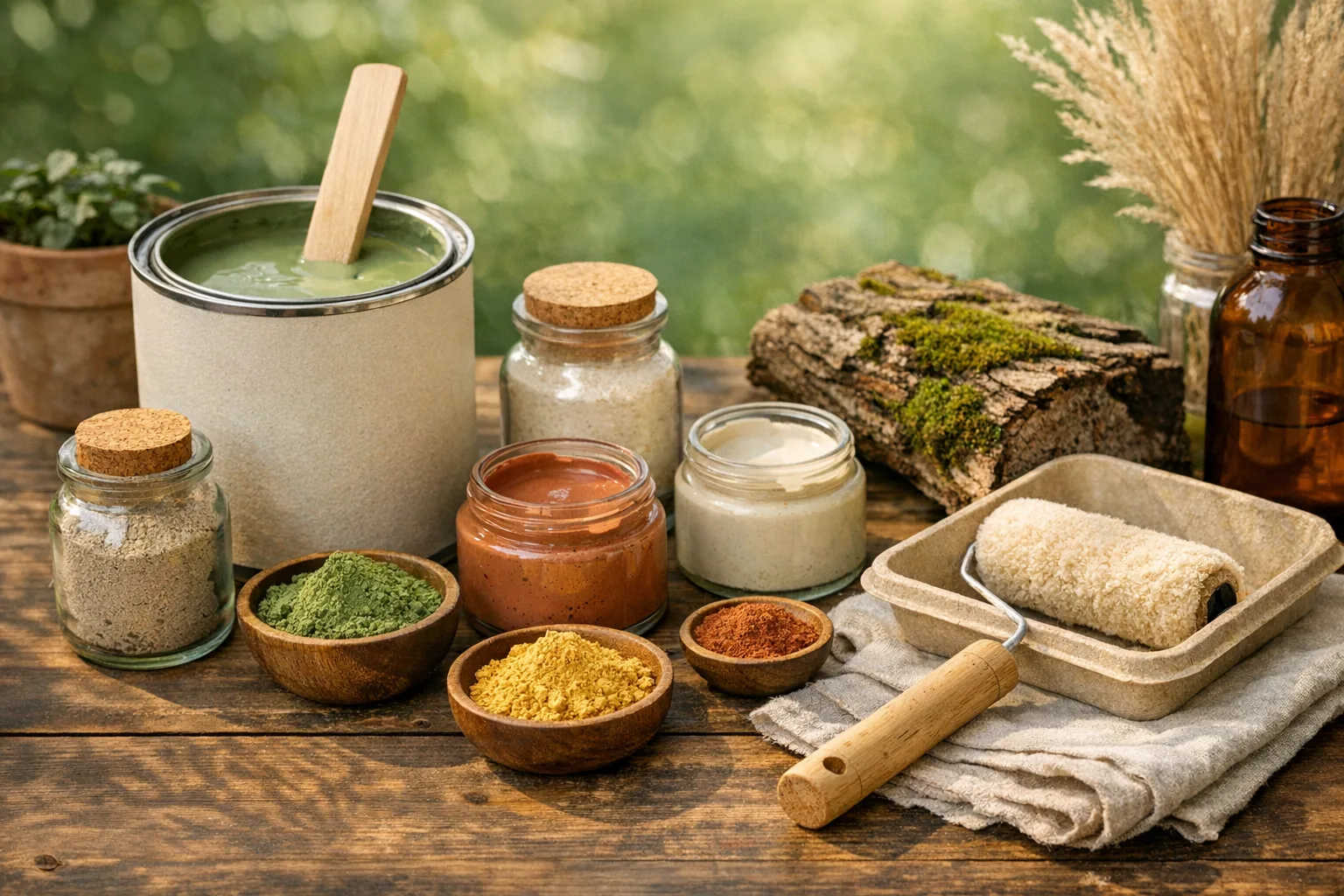
As awareness of environmental health rises, the demand for eco-friendly paints has soared. Low-VOC (Volatile Organic Compounds) and natural paints offer health benefits by limiting harmful emissions. These paints are available in a range of trendy hues for 2026, ensuring that homeowners don’t have to compromise style for sustainability.
Choosing paints with low environmental impact not only supports a healthier kitchen environment but also reflects a growing trend towards holistic home designs. Paint brands like Sherwin Williams and Benjamin Moore have prioritized eco-friendly options that cater to the increasing preference for sustainable living, combining beauty with responsibility. Selecting sustainable paints aligns with broader regenerative design principles that promote harmony between habitations and nature.
Embracing eco-friendly options in color selection not only reduces harmful emissions but also ensures a safe environment for families. Long-term sustainability through eco-consciousness continues to be a prevailing aspect in shaping modern home designs.
Benefits of Eco-Friendly Paints
Eco-friendly paints provide numerous benefits, including improved indoor air quality and reduced environmental impact. Low-VOC options are particularly crucial in kitchens, where air circulation is pivotal. They allow homeowners to enjoy a fresh and elegant finish while minimizing their carbon footprint.
Additionally, eco-friendly paints cater to families with children or pets, ensuring safety without sacrificing aesthetics. Using such paints aligns with broader efforts to adopt sustainable practices in home renovation, enhancing both home value and personal well-being.
Implementing eco-friendly paint might require an upfront investment, but the ROI in terms of health, sustainability, and aesthetic balance offers genuine advantages over conventional paints. Moreover, these practices align with a growing consumer preference towards ethical and eco-conscious products in home renovation and design.
Quick Tip: When selecting eco-friendly paints, consider the room’s exposure to natural light to ensure the selected colors maintain vibrancy without fading prematurely.
Technical Deep Dive: Choosing the Right Paint Finish
Matte vs. Glossy Finishes
The choice of paint finish significantly impacts the kitchen’s final appearance and practicality. Matte finishes, known for their soft and sophisticated look, can hide imperfections but may require more maintenance in high-traffic areas like kitchens. On the other hand, glossy finishes are durable, easy to clean, and can add contrast by reflecting light, making them ideal for smaller spaces or areas near the front door.
Balancing the desired aesthetic with practical considerations is key. While matte finishes add depth and warmth, glossy finishes offer elegance and resilience, allowing homeowners to tailor the kitchen’s feel to their lifestyle needs. This balance is crucial in accentuating kitchen features while ensuring longevity and ease of maintenance.
Understanding the properties of finishes goes beyond aesthetics, influencing the interaction of elements such as color and texture, thus enhancing the usability and appeal of space. Choosing finishes like semi-gloss can bridge the gap between matte and full glossy, allowing versatility in creating detailed and sophisticated interiors that age gracefully.
Textured Paint Applications
Textured paint applications offer a unique way to add character and depth to the kitchen. Techniques like rag-rolling or sponging create visual interest while hiding minor surface imperfections. This approach is becoming increasingly popular, providing an opportunity to experiment with creativity in a space that traditionally prioritizes functionality.
Such applications not only complement natural stone and wood but also allow homeowners to express personality and style, offering a tactile experience that enriches the kitchen’s design. By integrating textures, you can achieve a multi-dimensional look that shifts the narrative from mere cooking to a full-blown sensory experience, drawing on balanced shades and elegant overlays.
Texture can effectively highlight aspects of light and shadow, deeply engraining subtle warmth into the surroundings and ensuring personalization where aesthetics meet function.
Quick Tip: For kitchens with ample natural light, choosing finishes with light-reflecting properties can help make the space feel larger and more vibrant.
How to Harmonize Kitchen Colors with Open Spaces
Color Coordination Across Adjoining Areas
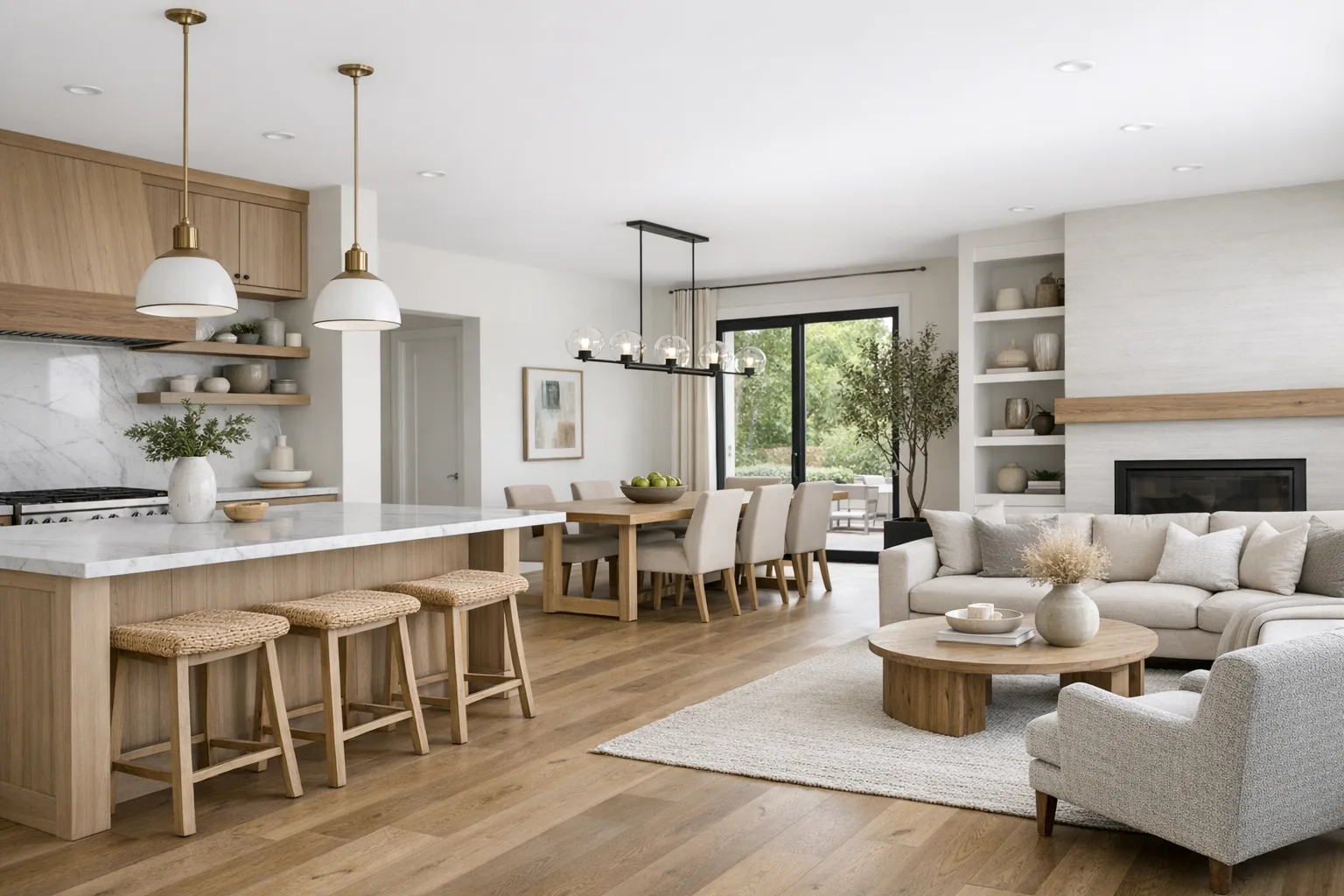
In open-concept homes, kitchen colors must harmonize with adjoining living spaces to create a cohesive look. This requires strategic color coordination, using transitional shades to blend boundaries seamlessly. Designers suggest utilizing color palettes that carry subtle warmth and contrast across spaces, ensuring that each area feels connected rather than disjointed.
By maintaining a consistent color theme, you can enhance continuity, allowing light to flow freely throughout the home and creating a unified aesthetic. This not only improves the visual appeal but also reinforces the spatial harmony of an open-concept design. Linking kitchen elements like the cabinetry, counters, and paint finishes with adjoining areas creates a flawless flow that enhances the openness and collective warmth of the house.
Complementary designs can integrate adjacent walls and furniture, rendering a continuous design narrative that enhances materials like stone or wood, ensuring the entire home speaks a harmonious visual language.
Designing Continuity in Open-Concept Homes
Achieving continuity in open-concept homes involves more than just color selection; it requires careful consideration of materials and finishes. Coordinating kitchen colors with elements like flooring, cabinets, and accent walls ensures a seamless transition. For instance, using complementary paint colors with kitchen cabinets anchors the design while allowing individual areas to reflect their unique functions.
An emphasis on consistency helps to maintain the integrity of the design vision, creating a living environment that is both inviting and harmonious. This reflects a sophisticated approach to modern home design, aligning with current trends while maximizing the open space potential. By synchronizing elements like paint finishes and natural lighting, you effectively build spaces that offer unity yet individuality, showcasing design prowess that influences modern architecture.
This holistic approach involves blending kitchen paint colors with natural materials, converting potential design obstacles into opportunities for architectural triumph, enhancing both the depth of experience and quality of residence.
Expert Tips on Pairing Kitchen Paint with Cabinetry
Complementary Shades for Wood and Laminate
When pairing paint with cabinetry, the goal is to either complement or contrast beautifully. For wooden cabinets, warmer hues that match natural wood grains often work best to enhance the wood’s innate beauty. Conversely, laminate cabinets might benefit from cooler hues to provide a sleek, modern aesthetic. This approach requires a nuanced understanding of how colors interact with textures and materials.
Considering the interreflection of light and paint in the context of cabinetry materials allows for a personalized touch that can really make a kitchen shine. By selecting colors that highlight or add depth to cabinet features, your kitchen stands out as both cohesive and dynamic.
Using lighter or darker hues creating contrasts against cabinetry enhances aesthetic value, promoting dynamic showcases where functional meets formal beauty. By adeptly combining hues and materials, one can achieve design continuity that underscores every detail in the kitchen setup.
Using Paint to Showcase Cabinet Features
Strategically chosen paint colors can highlight unique cabinet features, bringing them to the fore. For instance, painting adjacent walls in a slightly cooler or contrasting hue can accentuate elaborate details or sleek lines found in modern cabinetry. A consistent approach across kitchen color schemes ensures visual continuity while allowing distinct cabinetry features to take center stage.
This method requires an expert’s eye for balance and harmony, ensuring that bold colors do not overwhelm but instead enhance the overall design narrative of the kitchen, making it both functional and fashionable. Using elements like matte black contrasts with warmer tones creates a balance that foregrounds unique facets of cabinetry, bolstering both design and function.
Through meticulous selection, paint can be more than a background element; it becomes the defining characteristic of your living area, heightening visual intrigue tied with domestic practicality.
Quick Tip: Use colors that match fixtures and appliances to create a uniform look, which can provide a cohesive design across all kitchen elements.
ROI & Cost Analysis: Investment in Kitchen Paint
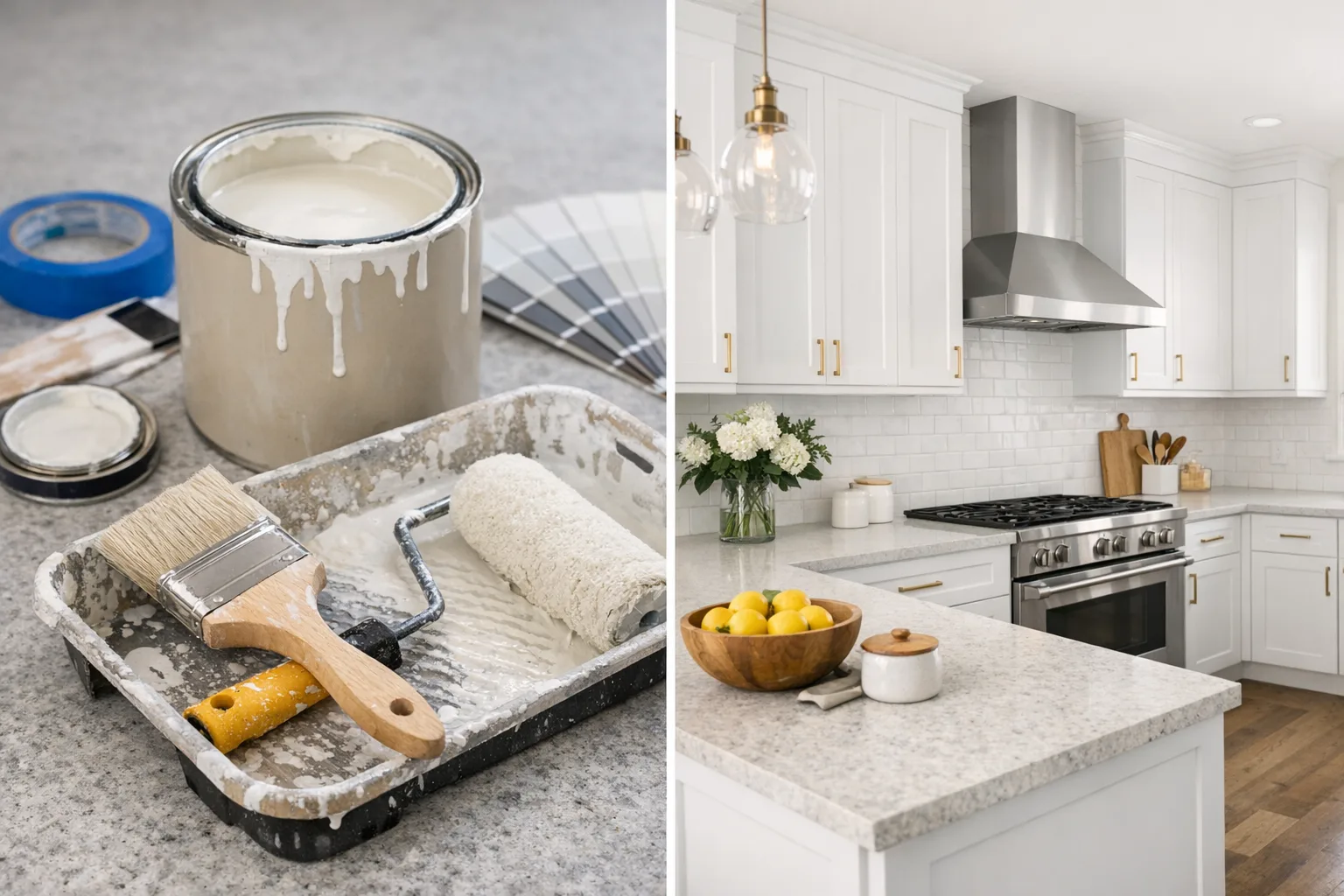
Cost of Different Paint Types
The cost of kitchen paints varies widely based on factors such as finish, brand, and sustainability features. High-end brands like Sherwin Williams offer premium options that ensure durability and color fidelity, whereas budget options may cut corners on longevity. Investing in quality paints can enhance the longevity and appearance of your kitchen, providing a cost-effective option over time.
Considering the kitchen’s role as a high-traffic area, selecting paints that are easy to clean and resistant to water can optimize your investment. Balancing cost against quality and durability is essential to ensure the best return on investment. Cheaper paints may offer short-term savings but can lead to higher long-term expenses due to frequent repainting or poor wear.
Customization and bespoke solutions backed by long-warranty brands can initially incur higher expenses, but they ensure consistency and durability in design, thereby solidifying the kitchen’s aesthetic leverage and adding home value in the real estate market.
Impact on Home Value
Updating your kitchen’s color scheme has a measurable impact on home value, often increasing buyer appeal and offering a substantial return on investment. The choice of paint colors can make a space feel larger, cleaner, and more inviting—key factors that potential buyers consider in their decision-making process.
A well-chosen color palette, aligned with current trends and complemented by fresh finishes, not only enhances aesthetic appeal but also positions your home advantageously in a competitive real estate market. Kitchen renovations, particularly involving color and finish improvements, can generate a favorable impression and provide an immediate boost in market perception for prospective buyers.
Focusing on contemporary trends while maintaining timeless appeal ensures that the kitchen remains a compelling focal point, accelerating buyer interest and potentially elevating offers, thereby constructing financial resilience through strategic design investment.
Quick Tip: Consider consulting with an interior designer to choose a palette that not only fits current trends but will also remain timeless, ensuring long-term value.
Common Pitfalls and How to Avoid Them
Mistakes in Color Choice
Selecting paint colors for your kitchen can be daunting, with some common pitfalls including choosing colors that clash with kitchen cabinets or those that do not consider lighting conditions. Opting for trendy rather than timeless colors can also lead to dissatisfaction over time. Always test paint samples under different lighting conditions to avoid colors that may read cold or overly bold.
Effective planning and experimenting with samples before commitment can prevent costly mistakes, ensuring a finished look that aligns with your vision and lifestyle. Experimentation with crossover hues allows a deeper understanding of color balance, preventing emotional detachment and aesthetic disharmony in the living environment.
Preempting these errors involves proactive engagement with color samples, harmonizing personal preference with architectural realities, and exploring possibilities that embrace both innovation and tradition.
DIY vs. Professional Painting
While DIY painting can be a cost-saving measure, it often lacks the precision and seamless finish achieved by professionals. Professional painters bring expertise and experience, ensuring thorough preparation, correct application techniques, and a high-quality end result. The initial investment in professional services often outweighs the potential expenses associated with correcting DIY mishaps.
Homeowners should weigh the costs and benefits of professional expertise, considering factors like time, complexity, and the desired outcome. Engaging a professional can simplify the process and guarantee satisfaction with the final appearance.
The expertise of professional painters includes an astute customization capability combined with quality assurance mechanisms that extend far beyond surface aesthetics, ensuring a unified narrative throughout visual spaces that elevate domestic utility and indulgence alike.
Local Considerations for Bryn Athyn, PA
Regulations on Paint VOC Levels
Bryn Athyn, PA, like many areas, has specific regulations regarding VOC levels in paints. Understanding these guidelines is crucial to ensure compliance and protect home air quality. Low-VOC and eco-friendly paints are not only adhered to regulations but also support broader environmental initiatives.
Homeowners should consult local resources or professionals to navigate these regulations, using compliant products that promote a safe and healthy kitchen environment for their family. Comprehensive understanding and implementation of these guidelines ensure no barriers to aesthetic ambition and environmental stewardship co-exist, upholding both legal and personal wellness thresholds.
Engaging with local communities and regulators ensures compliance and seeks advice from eco-experts can provide bespoke solutions enhancing both legal adherence and aesthetic potential.
Localized Color Preferences
Regional preferences for kitchen colors can vary based on local trends and cultural influences. In Bryn Athyn, colors such as warm earth tones and subtle greens are particularly popular, reflecting both the area’s historical architecture and modern design inclinations. Incorporating these trends can enhance the desirability of a home within the local market.
Considering local preferences allows homeowners to select colors that resonate with the community’s aesthetic values, potentially increasing property appeal to prospective buyers familiar with regional styles.
Aligning choices with local nuances thus establishes emotional connectivity within neighborhoods, inviting cultural engagement and appreciation through design, solidifying communal bonds while enhancing lifestyle satisfaction.
Case Studies: Successful Kitchen Color Transformations
Before-and-After Transformations
Real-world examples provide valuable insight into the transformation potential of new kitchen paint colors. Before-and-after images showcase how strategic paint choices can refresh, modernize, and expand kitchen spaces. These transformations emphasize how tailored color palettes can address imperfections and enhance natural features.
Such case studies serve as inspiration, illustrating practical applications of color theory to achieve stunning results, and demonstrating effective ways to embrace 2026’s color trends.
Success stories of visual reinvigoration highlight the impact of professional insight and forethought on domestic luxury and usability, underscoring opportunities to redefine spaces with burgeoning and reflective color applications.
Client Testimonials
Client testimonials often reflect the profound impact of thoughtful color choices on kitchen aesthetics and functionality. Satisfied homeowners attest to improved spatial harmony, increased property value, and enhanced daily living experiences brought about by their color upgrades.
These stories underline the importance of professional expertise in guiding the color selection process, ensuring that every detail, from conception to execution, aligns with personal and market expectations.
Through these accounts and experiences, the narrative of color design becomes one of creativity and engagement, affirming the evolving role of expert services in matching environmental elegance with personal expression, opening avenues for enriched living and enriched investment.