How Long Do Kitchen Cabinets Last? Everything Homeowners Should Know
Kitchen cabinets are more than just storage—they’re the backbone of your kitchen’s design, functionality, and daily use. From keeping your cookware organized to supporting your countertops, quality cabinets serve a major role in both performance and aesthetics. But just like any part of your home, they experience wear and tear over time. The question we hear often at Kitchen Search is: how long do kitchen cabinets last?
If you’re considering a kitchen remodel, planning for cabinet repairs, or simply wondering if your existing cabinets are still in good repair, this comprehensive guide is for you. We’ll break down how long cabinets should last, what affects their lifespan, and how to know when it’s time to replace them. Whether you have solid wood, laminate, or MDF cabinets, understanding their longevity can help you make smarter decisions for your entire kitchen—and your budget.
How Long Should Kitchen Cabinets Last on Average?
The Standard Lifespan Range of Cabinetry
For the most part, cabinets should last anywhere between 20 to 50 years. This wide range depends on a variety of certain factors—from construction materials and cabinet doors to environmental conditions and usage. According to the National Kitchen & Bath Association (NKBA), high-end, well-maintained cabinets often last just as long as a house itself, especially when made of solid wood or high quality cabinets.
Why Cabinets Can Last for the Long Haul
When built with care and installed properly, cabinets can last for decades. We’ve worked with many homeowners whose old cabinets still looked and functioned fine after 30 years, simply because they used premium materials, maintained them well, and avoided major moisture damage. Even in high traffic areas, sturdy cabinet boxes and top-grade hardware can withstand daily use if cared for properly.
Custom vs. Stock: What’s the Difference?
Cabinet Lifespan by Material Type: What to Expect
 Solid Wood Cabinets
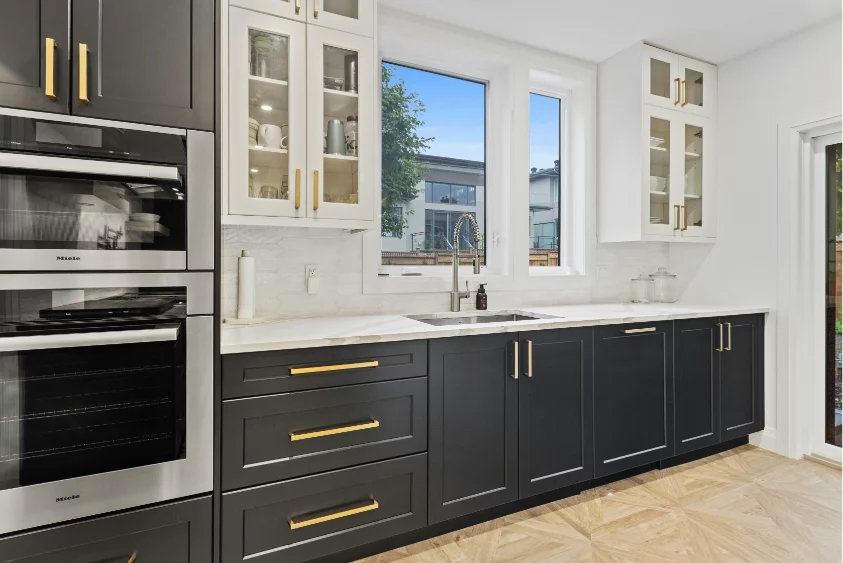
Solid wood cabinets—especially those crafted from oak, maple, or cherry—are the gold standard. With proper care, these quality cabinets can last over 50 years. Wood not only provides unmatched strength but can also be sanded and refinished multiple times, keeping the cabinets looking aesthetically pleasing for the long haul.
Plywood Cabinets
Plywood cabinet boxes offer an excellent balance between durability and affordability. These cabinets typically last 25–30 years and resist warping better than particleboard. Their multi-layer construction handles changes in humidity levels and other damaging elements much better, especially near appliances like the sink, stove, or dishwasher.
MDF Cabinets
Medium-Density Fiberboard (MDF) is often used for drawer fronts and cabinet doors in budget-friendly lines. While MDF offers a smooth paintable surface, it’s vulnerable to water damage. Expect a lifespan of around 15–20 years, assuming no major spills or water leak exposure.
Laminate Cabinets
Laminate cabinets typically last 10 to 15 years. They’re easy to clean and resist stains, but the top layer can delaminate with age or heat exposure. These are ideal for temporary solutions or starter homes but aren’t built for the long haul unless used in low-impact zones.
Metal Cabinets
Although less common in residential kitchens, stainless steel or aluminum cabinets can last 50 years or more. They resist damaging elements like moisture and pests but may dent easily and don’t always suit traditional styles.
Which Cabinet Material is Best for Your Kitchen?
How Long Painted Cabinets Last vs. Other Finishes
The Truth About Painted Cabinets
Painted cabinets bring a bright, clean look to the kitchen, but they require more upkeep than stained or natural finishes. On average, painted cabinets can last 10–20 years depending on the prep work, finish quality, and whether they’re in high traffic areas or near heat-generating appliances.
Caring for Painted Cabinets
To extend the life of your painted finishes, use mild cleaners—something as simple as diluted dish soap on a microfiber cloth—and avoid abrasive sponges. Regular touch-ups can help cover stains or minor chips, keeping your cabinet doors looking fresh year after year.
What Impacts How Long Cabinets Should Last?
 1. Material & Build Quality
 1. Material & Build Quality
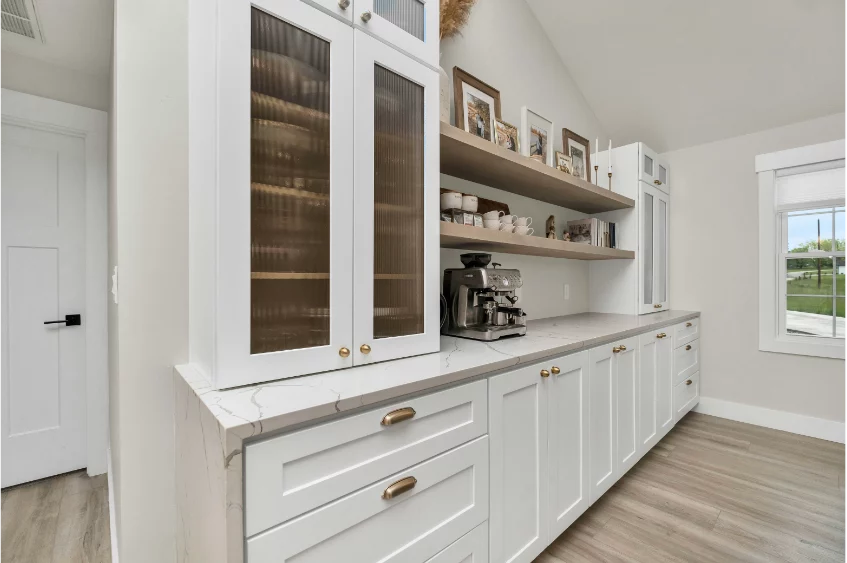
High quality cabinets made with hardwood frames, full plywood cabinet boxes, and premium hardware will naturally last longer. Cheaper builds often use particleboard and rely on glue instead of proper joinery, which leads to quicker wear and tear.
2. Construction Techniques
Dovetail joints, soft-close mechanisms, and reinforced corners are all signs of long-lasting construction. These features allow cabinets to function efficiently for decades without sagging or misaligning.
3. Usage Frequency and Traffic
Cabinets in homes with large families or frequent cooking experience more tear. Constant opening and closing, particularly in high traffic areas, puts stress on hinges and drawers over time.
4. Environmental Exposure
High humidity levels, steam from the stove, and poor ventilation can wreak havoc on your cabinet doors and internal cabinet boxes. Over time, this can lead to moisture damage, warping, and mold growth.
5. Maintenance Habits
Wiping up spills, tightening loose handles, and checking for early signs of water damage can go a long way. Even new cabinets can fail quickly without proper care.
6. Installation Quality
A crooked floor, unlevel walls, or poorly secured mounting can shorten a cabinet’s lifespan, regardless of quality. Always trust experienced professionals for installation.
Schedule Professional Cabinet Installation
When Cabinets Need to Be Replaced: 5 Signs to Watch
1. Water Damage or Swelling
This is a clear sign your cabinets need to be replaced. If you notice soft spots, bubbling surfaces, or a musty smell, you may have a hidden water leak or prolonged moisture damage.
2. Structural Problems
Sagging shelves, cracked drawer fronts, and wobbly cabinet boxes mean your cabinetry is no longer safe or effective.
3. Outdated Style
If your kitchen still has old cabinets from 20+ years ago, and they no longer match the rest of your house, it may be time for an upgrade—both visually and functionally.
4. Poor Functionality
If drawers stick, doors won’t close, or storage doesn’t fit your needs, your cabinets no longer function efficiently. Remodeling now can improve flow, storage, and overall usability.
5. Ongoing Repairs Cost More Than New Cabinets
Constant repairs add up quickly. At a certain point, it makes more money sense to invest in new cabinets than to keep fixing problems.
Get a Free Design Consultation
Planning a Kitchen Remodel? Maximize Cabinet Longevity
Don’t Overlook Cabinets During a Kitchen Remodel
 Don’t Overlook Cabinets During a Kitchen Remodel
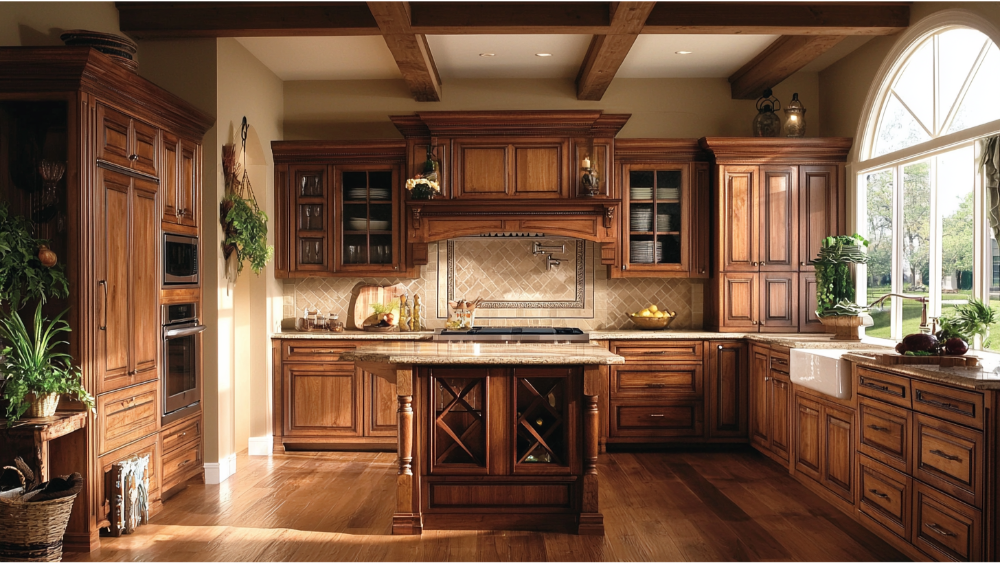
Many homeowners focus on countertops, floor finishes, or appliances, but cabinets are central to your layout and design. A thoughtful upgrade during your kitchen remodel can enhance beauty, function, and value.
Kitchen Cabinet Replacement or Reface?
Refacing works if your cabinet boxes are in good repair, but for older kitchens or damaged materials, replacing ensures better results for the rest of your kitchen.
How to Make Sure Your Cabinets Can Last Decades
Clean Regularly and Gently
Weekly wiping with dish soap and water helps prevent stains and buildup. Avoid ammonia-based cleaners or abrasive pads that break down finishes.
Prevent Damage Early
Install liners, clean up spills near the sink immediately, and make sure your hardware is secure to reduce long-term stress on doors and drawers.
Refinish or Upgrade When Needed
Don’t wait until there’s major damage. Minor updates—like new drawer fronts or reapplying paint—can extend the life of your cabinetry significantly.
Frequently Asked How Long Do Kitchen Cabinets Last Questions
How long should kitchen cabinets last in a well-maintained home?
 How long should kitchen cabinets last in a well-maintained home?
Up to 50 years, especially if they’re made of solid wood or high quality cabinets, installed professionally, and regularly maintained.
Can old cabinets be updated instead of replaced?
Yes, if the cabinet boxes are structurally sound. Refacing or refinishing can offer a fresh look without tearing out the entire structure.
What shortens cabinet life the most?
Excessive moisture, poor cleaning habits, and rough use in high traffic areas are the main culprits.
Do painted cabinets last as long as stained ones?
Not always. Painted finishes are more prone to chips and require more frequent touch-ups, especially in busy homes.
Is it worth replacing cabinets during a remodel?
Absolutely. A couple discovers that their old kitchen becomes dramatically more functional and beautiful with new cabinets, making the investment worthwhile.
Conclusion: Make Your Cabinets Last with Kitchen Search
Understanding how long your cabinets should last helps you plan smarter for your home’s most-used space. Whether you’re extending the life of existing cabinets or investing in a full upgrade, the right choice comes down to your goals, materials, and long-term plans.
At Kitchen Search, we help you design, choose, and install high quality cabinets that stand up to daily life, meet your family’s needs, and look stunning for years to come.