
How to Paint Kitchen Countertops and Make Painted Countertops Last
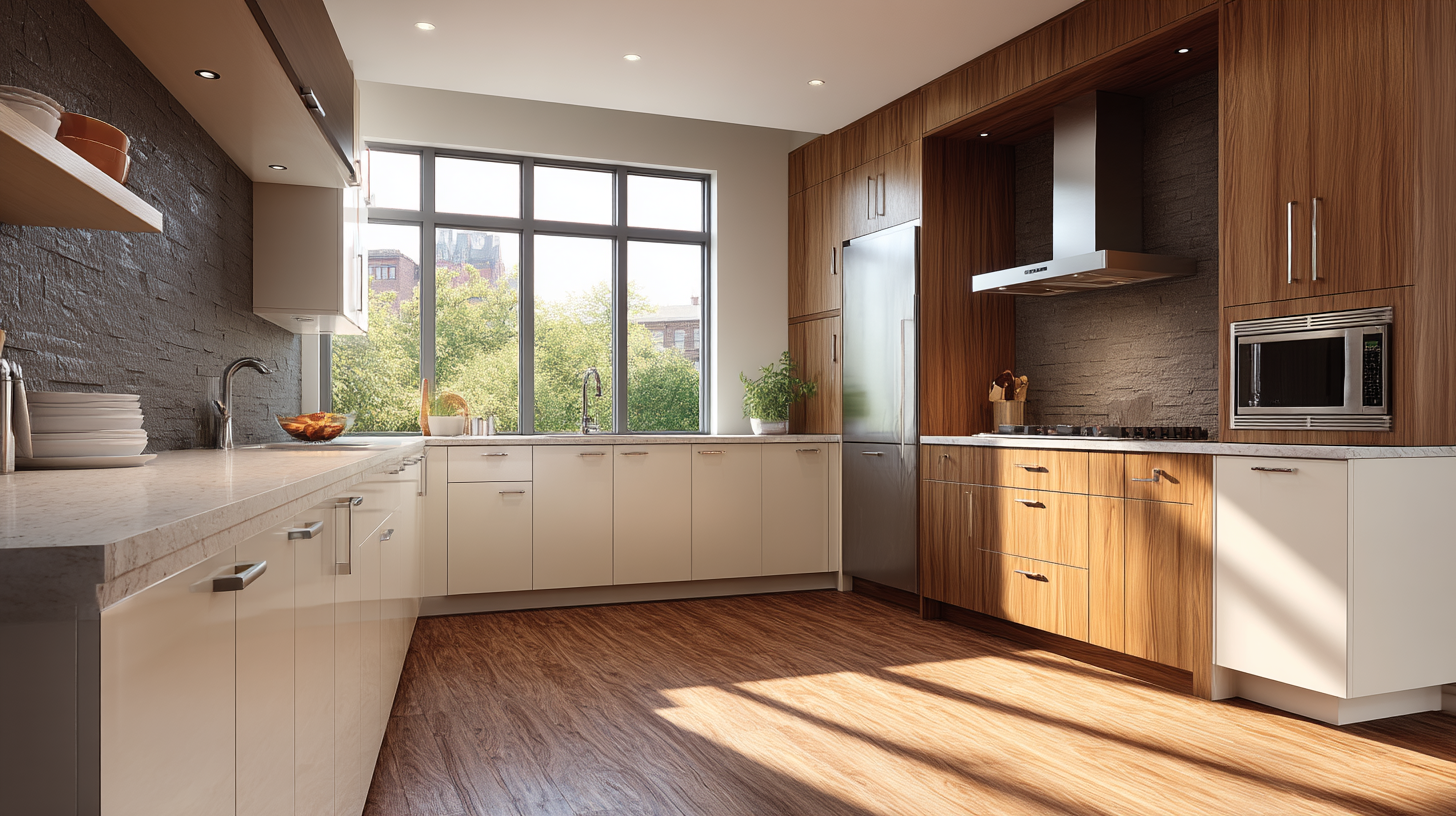 Painting kitchen countertops is a cost‑effective way to reinvent what you already have. Many homeowners wonder how to paint kitchen countertops in a way that looks good and holds up. In this guide we’ll cover every step, from preparation to epoxy top coat, to help you create a durable, smooth finish you can confidently use.
Why You Might Choose Painted Countertops
There are several reasons you might choose painted counters instead of replacing the surface entirely. First, painted counters cost far less than full replacement. Second, they allow you to customize the style in place, match your cabinets, change colors, even fake stone looks. Third, if done right with durable countertop paint and epoxy top coat, the result can be surprisingly strong.
The downside is that no paint job is as tough as original factory finishes. Over time and with frequent use, edges may chip, or wear can occur near sinks, stoves, and seams. Nevertheless, many homeowners accept these trade‑offs to avoid the higher cost and disruption of replacing kitchen countertops.
If painting doesn’t seem like the right fit for your kitchen, our team can help you explore full countertop replacement or better surfaces.
Which Kitchen Countertops Can Be Painted?
Not all countertops are equally receptive to paint. Here’s a quick breakdown of what works, and what doesn’t:
Good Candidates
- Laminate surfaces can be abraded with light sanding, primed, and painted.
- Butcher block wood counters already have some porosity so paint and sealers adhere well.
- Tile surfaces, though tricky around grout lines, can be painted if properly prepped and sealed.
Poor Candidates
- Granite, marble, and quartz are polished, nonporous, and resist paint adhesion. Painting them often leads to peeling.
- Any counter with a very slick or glossy finish might refuse to let paint stick, even with primer.
If you’re dealing with stone, seriously consider resurfacing or replacement rather than a painted solution.
Tools and Supplies You’ll Need
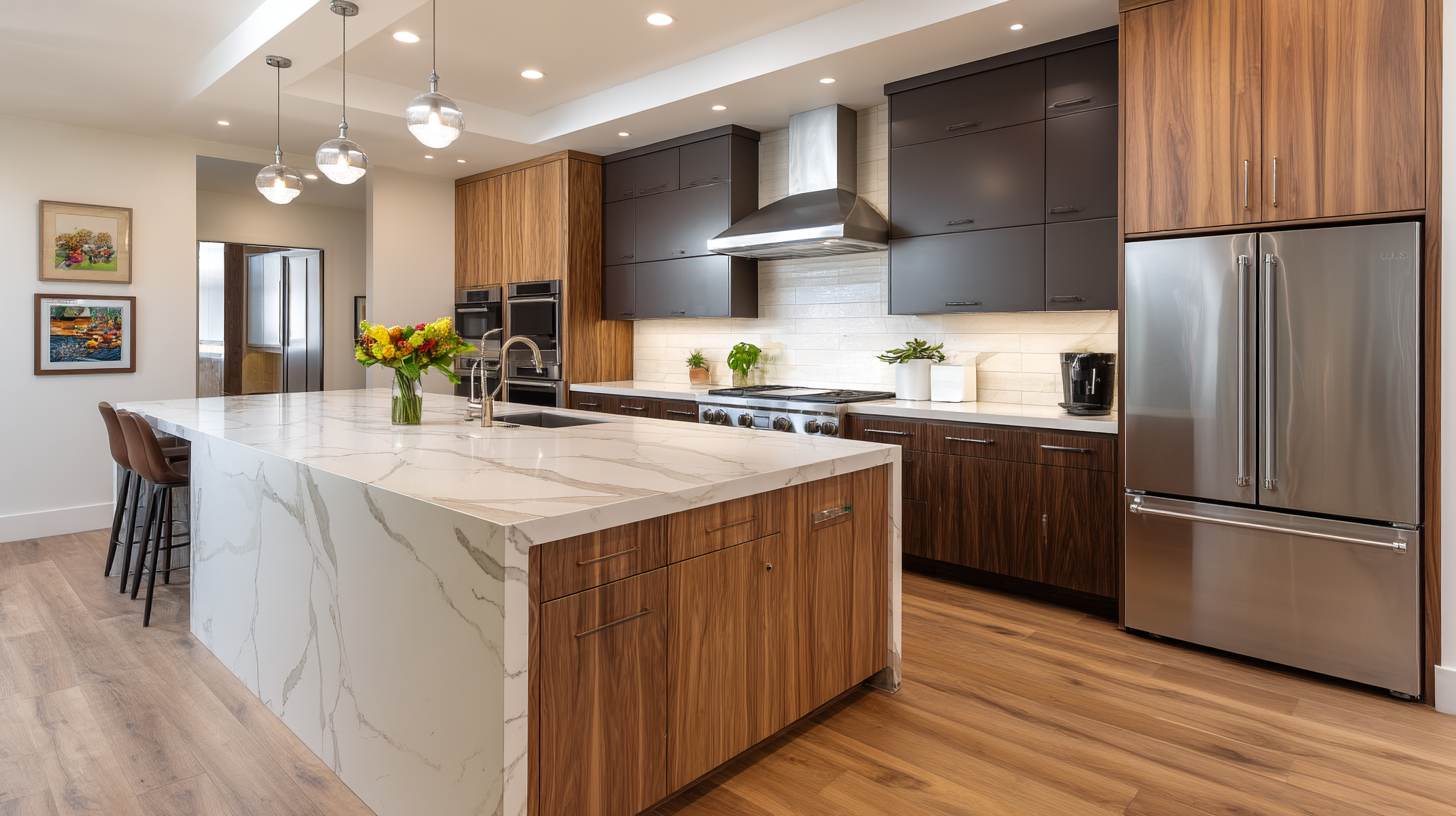
To do this right, you’ll want quality supplies. Here’s a list:
- Degreaser / surface cleaner
- Sandpaper (medium and fine)
- Painter’s tape
- Bonding primer designed for slick surfaces
- Countertop paint, look for formulas labeled durable, epoxy‑infused, or made for floors
- Epoxy top coat or durable sealer / topcoat
- Foam roller or foam roller sleeves
- Detail brushes
- Filler / caulk for seams and cracks
- Drop cloths, gloves, mask
- Cutting board for protection in use
These materials will give you the best results. Cheap alternatives often fail prematurely.
Mistakes to Avoid
- Skipping light sanding or not cleaning thoroughly
- Using wall paint instead of countertop paint
- Applying thick coats instead of thin ones
- Not letting coats fully dry before re-coating
- Neglecting the top coat or rushing curing
- Leaving painter’s tape on too long or removing it after cure
If you see peeling, chipping, or uneven patches, sand back the area, re-prime, touch up the paint, and reseal with the topcoat. Maintaining painted surfaces often involves touch ups over time.
Step‑by‑Step: Painting Kitchen Countertops
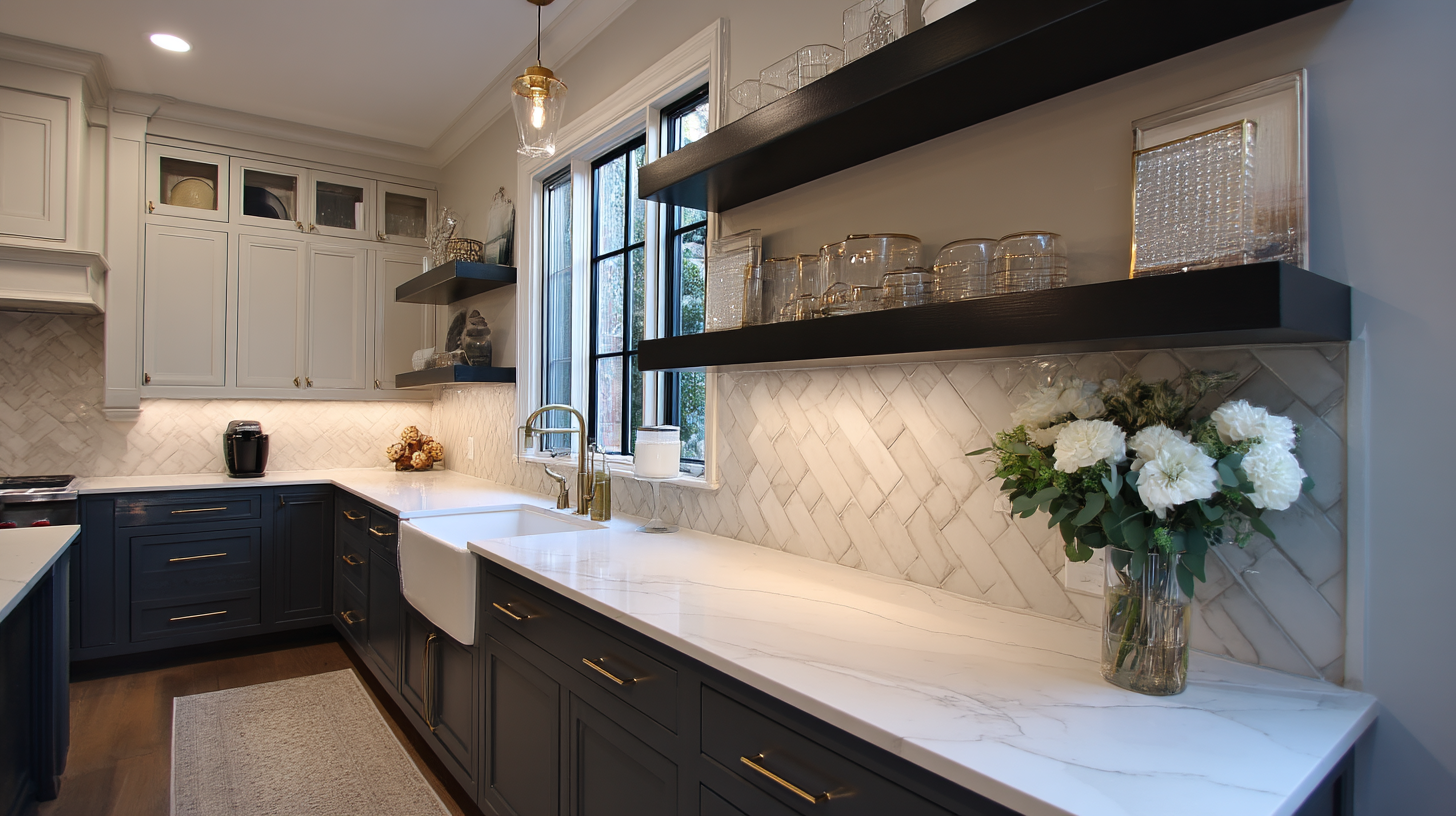 Step 1: Prep the Surface
Proper prep is crucial. This is arguably the hardest part of the process, but skipping or skimping here will undermine the finish.
Remove everything off the counters. Clean thoroughly, degrease, and wipe the surface so no residue remains. Then sand glossy or sealed surfaces lightly, use medium grit first to scuff the surface, then follow with fine grit for smooth finish readiness. Clean off all dust, rinse, and let it fully dry.
Fill any cracks or seams with appropriate filler or caulk, let that dry, then sand again lightly to blend. Mask edges, backsplash, cabinets, sink, and walls with painter’s tape and plastic sheeting.
Step 2: Apply Primer
A primer tailored for slick surfaces or bonding is key. Using a roller or brush, apply a thin, even first coat of primer. Let it fully dry (often 24 hours or more). After inspection, apply a second coat if needed. The primer helps with adhesion and ensures the paint will stick better.
Allow time for the primer to cure and bond before proceeding.
Step 3: Apply Countertop Paint
Select a durable countertop paint that is rated for moisture, heat, and wear. Avoid standard interior wall paint.
Apply the paint in multiple thin layers rather than one thick one. Use a foam roller for broad areas and a brush for edges. After the first coat, wait until it is dry, then add a second coat, and if needed a third coat. Thin layers reduce drips and promote a smooth finish.
Between coats, lightly sand with fine grit to remove minor roughness before the next layer. Clean off dust and wipe the surface before applying the next coat.
If you want decorative effects (such as veining, speckles, or faux stone), add those details between coats before sealing.
Step 4: Seal with Epoxy Top Coat
After your paint layers are set, you must protect them with a top coat. Many DIYers use an epoxy top coat or clear resin sealer. This layer is what gives your painted surface meaningful durability.
Apply the topcoat in thin, even layers. Avoid overworking the material. Remove tape before it fully cures, or you might risk lifting edges. Allow each layer to fully cure, epoxy quality often requires 72 hours or more before returning to light use.
Once cured, the painted counters can resist moisture, heat (to some degree), and wear. Still, avoid placing a hot pan directly, and use a cutting board instead of cutting on the surface.
How Long Will Painted Countertops Last?
With good preparation, quality materials, and regular care, painted countertops can last two to five years before showing noticeable wear. In lower-use zones they may last longer. Areas near the sink or stove tend to show wear first.
To minimize wear, always use mild cleaners, avoid harsh scrubbing, never place a hot pan directly, and always use a cutting board. Inspect periodically and apply touch ups as needed to protect against chips.
Painted vs Replaced: Which Makes More Sense?
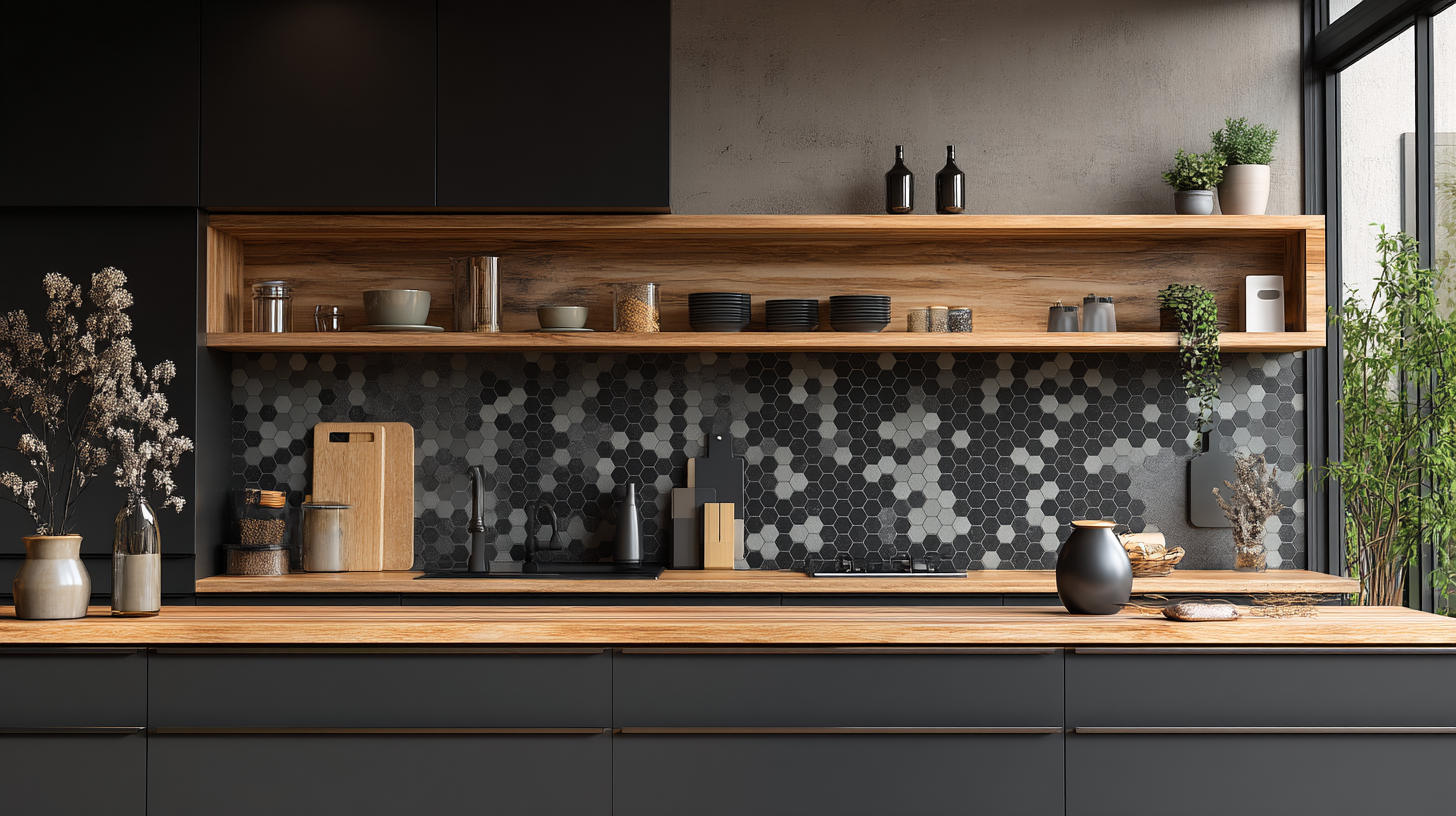
Painting may be ideal for cosmetic refresh, rental upgrades, or budget renovations. But for long-term durability and value, full replacement often outperforms painted options.
If your goal is a maintenance‑free, lasting surface that holds up to years of cooking and use, consider materials like quartz, solid surface, or natural stone (when properly sealed). Our team can help advise whether replacing your countertops is a better path given your usage and design goals.
See our portfolio for real examples of transformations, and reach out if you want help deciding what’s right for your space.
Frequently Asked Questions
Will painted countertops handle daily use?
Yes, when sealed properly and maintained, they can serve well for several years, though wear is expected near high-use zones.
Can I paint over granite or marble?
It’s technically possible, but the adhesion is often poor, leading to peeling and failure. It’s usually not worth the risk.
How long does the full process take?
Expect 3 to 5 days to complete, including prep, priming, painting, sealing, and curing. Rushing can ruin the finish.
Can I put a hot pan on painted counters?
No. Even the best painted surface risks damage from direct heat. Always use trivets or hot pads.
Do I really need sanding?
Yes. Light sanding establishes texture so primer and paint can adhere well.
What paint is best on laminate?
Use a specialty countertop paint or epoxy‑infused paint product, not standard interior paint.
Final Thoughts
Painting kitchen countertops can be a smart way to refresh your space affordably. But success depends on diligent prep, quality paint, controlled applications, and a strong epoxy top coat. If you’re unsure whether this route is right for your kitchen, our experts can help you decide.
Contact Kitchen Search for a free consultation on whether to paint, resurface, or replace your countertops. We’ll work with your vision and budget to find the right solution.