 How to Design a Kitchen Layout That Actually Works (Expert Tips for 2025)
 How to Design a Kitchen Layout That Actually Works (Expert Tips for 2025)
Why Kitchen Layout Is the Most Important Part of Your Remodel
When homeowners ask how to design a kitchen layout that truly supports the way they live, the first thing we talk about is why layout matters more than any other design decision. A kitchen layout determines how you cook, how you clean, how you move through the room, and how every appliance and every piece of cabinetry works together. The finishes, colors, and decor are the icing on the cake, but a strong kitchen floor plan is what makes a dream kitchen feel effortless day after day. At Kitchen Search, we see the difference a thoughtful layout makes in every home.
It affects counter space, storage, traffic flow, and even how much natural light reaches your work zones. When your kitchen layout design aligns with your lifestyle, it feels intuitive and comfortable. When it does not, you end up taking extra steps, bumping into doors, struggling to reach everyday dishes, or losing valuable wall space that could have been used for tall cabinets or open shelves. A correct layout makes all the difference. Homeowners often walk into our showroom thinking about countertops or appliances but quickly realize the layout is the backbone of the entire project.
A modern kitchen must balance function and beauty, and with the right kitchen planner and kitchen designer guiding the process, you can create a space that works for your cooking routine and your family’s daily rhythm. That is why starting with a strong kitchen layout makes sense for every remodel.
Step 1 – Assess How You Use Your Kitchen
Consider Your Lifestyle & Daily Routine
To design a kitchen layout that supports real life, you have to start with lifestyle. Do you cook full meals every day, or do you prefer fast meal preparation and easy cleanup? Do your kids do homework at the kitchen island, or do you entertain guests at a table nearby? A functional kitchen layout reflects how often you use the stove, the sink, and the refrigerator, and how you move between them. Think about where you store dishes, utensils, pots, and small appliances and how you want to reach them.
If you need more counter space for baking or prepping meals, that influences where cabinets and countertops should be placed. If you want easy access to your everyday dishes, you might choose open shelves or upper cabinets near the sink. If you want vertical storage for trays and baking sheets, that changes your cabinet plan. Your kitchen floor plan should reflect your real habits so it works for you in every moment.
Measure Your Space Accurately
Accurate measurements are crucial when planning a kitchen layout. Record the width, length, and ceiling height. Note where windows, walls, and doors are placed, and pay attention to how each opening affects your layout. A window might reduce available wall space, but it can also bring in natural light that enhances the room. A deeper refrigerator may require more clearance, and tall cabinets need enough ceiling height. Measure the distance between the sink, stove, and refrigerator so you have a sense of your work triangle or kitchen work triangle. If the triangle is too spread out, you take extra steps. If it is too tight, the space feels crowded. Your measurements will shape your floor plan and help you decide how to incorporate appliances without blocking pathways.
Note Traffic Flow & Entry Points
Traffic flow can make or break a kitchen layout. Think about how you enter the kitchen from other rooms and how many people walk in and out. Busy households need wider walkways so multiple people can cook or move around the kitchen island at the same time. Doors should not hit cabinets. Drawers should open fully without colliding with other cabinets or appliances. The refrigerator and dishwasher should have enough clearance to open comfortably. Proper circulation ensures your kitchen makes sense for everyday use. In smaller kitchens, planning becomes even more important because every inch counts. In larger kitchens, spacing helps prevent long walks between zones.
Step 2 – Choose the Best Kitchen Layout Type for Your Space
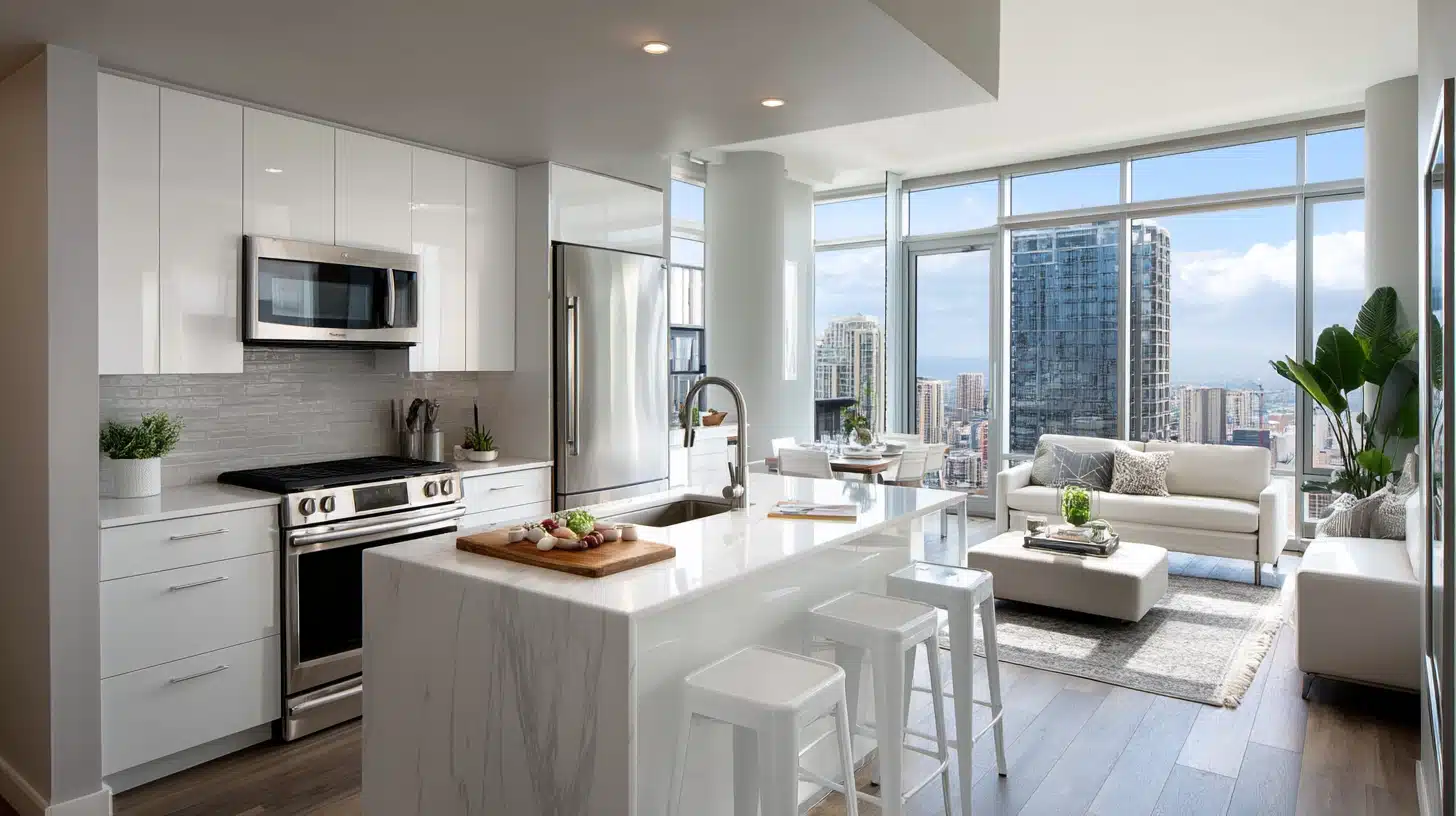 Every kitchen has unique needs. Understanding the most popular kitchen layouts helps you choose what fits your home.
One Wall Kitchen Layout
A single wall kitchen layout places all appliances and cabinets on one wall. It maximizes open space in small rooms and works well in studios or compact homes. With careful planning, you can add vertical storage using shelves or tall cabinets. A one wall layout benefits from thoughtful placement of the sink, cooktop, and refrigerator so meal preparation stays efficient. Adding an island nearby can create extra space for prep and storage.
Galley Kitchen
A galley kitchen features two parallel walls and is one of the most efficient layouts for cooking. Everything is within easy reach, and the flow supports quick meal preparation. To avoid feeling narrow, leave enough walkway space between the two sides. Place the sink on one wall and the stove or oven on the opposite wall for a balanced layout.
L Shaped Kitchens
L shaped kitchens use two connected walls to create a practical and flexible floor plan. This is one of the most popular kitchen layouts because it works in small spaces and larger kitchens alike. You can incorporate appliances along one wall and reserve the other for counter space and cabinetry. Many homeowners choose to add an island to increase storage and create more counter space. An L shaped layout makes sense when you want a kitchen that supports conversation and open sightlines.
U Shaped Kitchen
A U shaped kitchen surrounds you with cabinets and countertops on three walls. This layout provides excellent storage and maximizes availability of drawers, shelves, and tall cabinets. Larger kitchens benefit the most because the U shaped plan allows for generous counter space. For smaller kitchens, careful planning prevents the room from feeling closed off.
Island Kitchen Layout
The kitchen island is one of the most requested features in modern kitchens because it adds utility and visual interest. An island can be used for cooking, prepping, seating, or storage. Islands can incorporate appliances such as a cooktop, microwave, or even wall ovens on the perimeter. To keep movement comfortable, leave at least 42 inches around the island. If you host often or cook large meals, an island creates a central spot for gathering and serving.
Peninsula Layout
A peninsula is similar to an island but attached to a wall. It is ideal for rooms where a full island does not fit. A peninsula adds extra counter space and can separate the kitchen from nearby rooms without fully closing it off. It is especially helpful in smaller kitchens where extra space is limited.
Open Concept Layout
Open concept layouts are common in modern kitchens because they connect living and dining areas. Removing walls increases natural light and creates an airy feeling. Careful planning ensures the sink, cooktop, and refrigerator remain efficient without losing structure in the larger space. Ventilation systems are important because cooking odors spread more easily in open rooms.
Step 3 – Map Out the Kitchen Work Zones (Not Just the Triangle)
What Is the Work Triangle and Does It Still Matter
 What Is the Work Triangle and Does It Still Matter
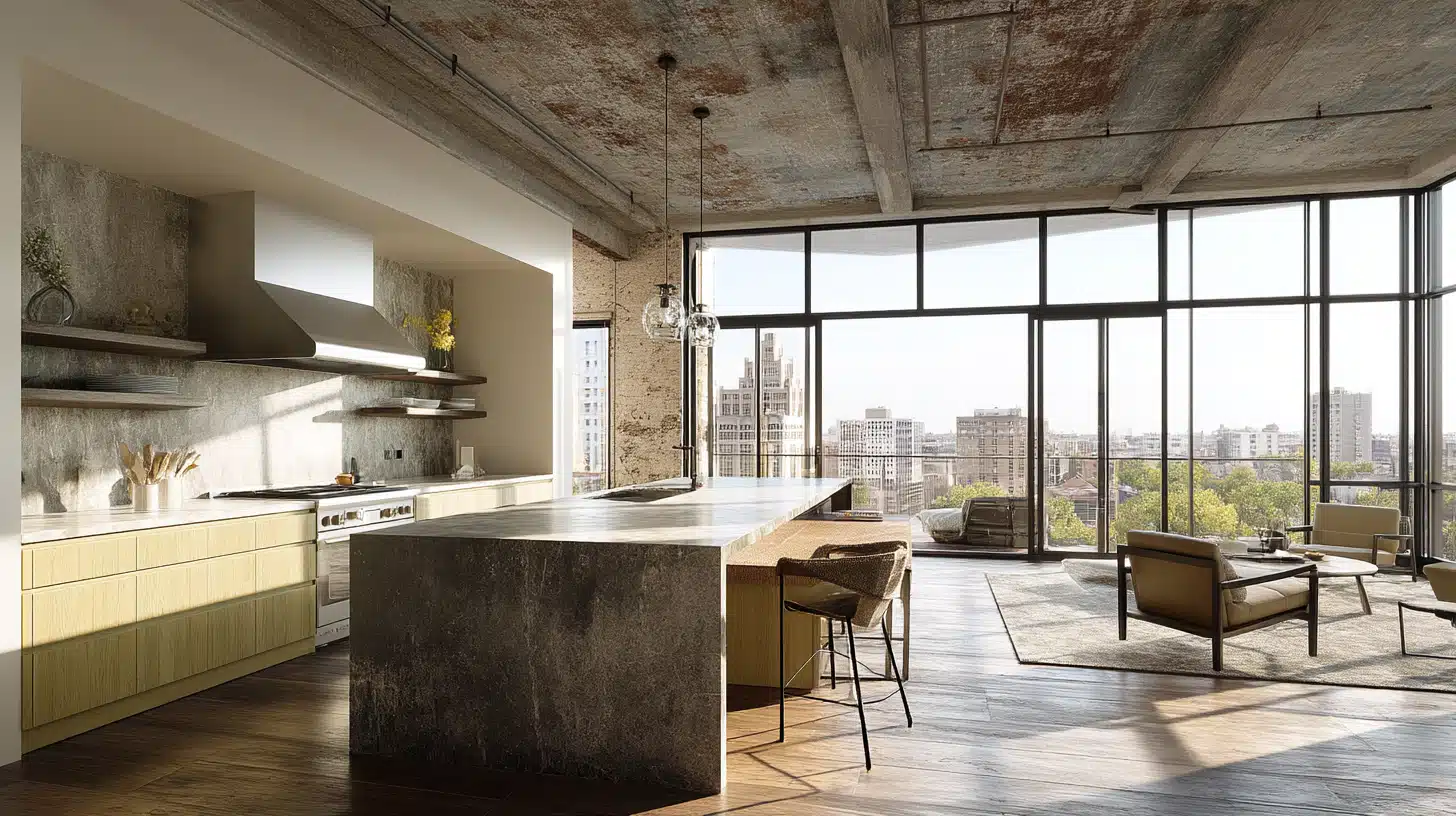
The traditional work triangle connects the sink, stove, and refrigerator in a functional pattern that minimizes unnecessary walking. It still works well in many homes, but today’s kitchens often use work zones instead of a strict triangle. Zones help you organize based on how you cook and how your family uses the kitchen.
Define Modern Kitchen Work Zones
A prep zone belongs near the sink with plenty of counter space and drawers for utensils, knives, and cutting boards. A cooking zone surrounds the stove or cooktop with easy access to pots, spices, and oven. The cleaning zone includes the sink, dishwasher, garbage, and recycling, all within easy reach. The storage zone organizes dishes, pantry goods, and small appliances using cabinets, open shelves, and tall cabinets. Many homeowners also add a serving zone at the kitchen island or peninsula. These zones keep everything in easy reach and streamline meal preparation.
How to Plan Zones Based on Your Layout
Your kitchen layout determines how zones play together. An L shaped layout might place the cooking zone on one wall and the prep zone near a window for natural light. A U shaped kitchen can assign each wall to a different zone. A single wall kitchen layout may require extra planning to incorporate appliances without overcrowding the wall space. Zones reduce clutter and make everyday cooking easier. Larger kitchens benefit from defined zones, while smaller kitchens gain clarity and efficiency.
Step 4 – Get Your Measurements Right (Dimensions That Matter)
Countertop and Cabinet Standards
Countertops typically sit at 36 inches high, and cabinets beneath them are around 34.5 inches. Upper cabinets are usually 30 to 42 inches tall. Shelves inside cabinets should be deep enough to hold dishes, bowls, and everyday cooking tools. In larger kitchens, deeper countertops and tall cabinets create more storage without sacrificing flow. Consistent measurements ensure your room feels balanced and functional.
Walkway Clearances
Walkway clearances affect navigation. Between counters or walls, allow at least 36 inches. Around an island, allow 42 to 48 inches so the dishwasher, oven, and drawers can open without blocking paths. These measurements are essential for creating a kitchen layout that supports movement and comfort.
Appliance Spacing and Landing Zones
Every appliance needs landing space. The refrigerator should have 15 to 24 inches of countertop nearby to unload groceries. The sink benefits from counter space on both sides for prep and cleanup. The oven and cooktop need space for hot pots and trays. Appliances such as the microwave should be placed at a height that feels safe and comfortable. When you incorporate appliances into the layout, you ensure the kitchen works seamlessly.
Step 5 – Avoid These Common Kitchen Layout Mistakes
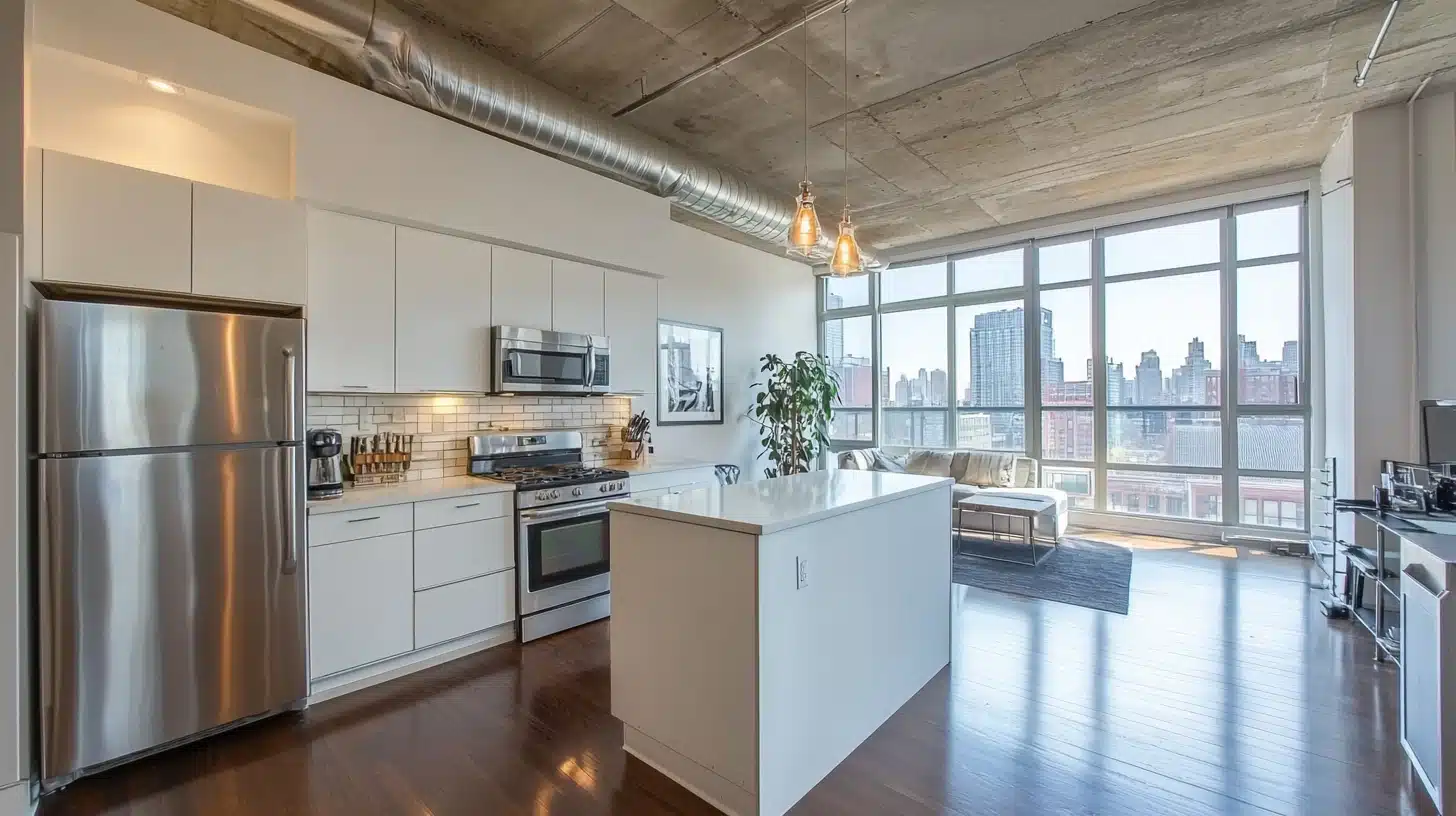 Many layout mistakes can be prevented with thoughtful planning. Oversized islands in small spaces create congestion. Placing the refrigerator far from the sink or stove adds unnecessary steps. Forgetting a drop zone for groceries near the fridge complicates everyday tasks. Lacking vertical storage wastes potential. Blocking natural light with tall cabinets can make rooms feel darker. Ignoring the ventilation system can impact comfort. Poorly placed drawers and cabinet doors cause collisions. Modern kitchens avoid these issues by prioritizing flow, accessibility, and practical cooking zones.
Bonus: Designing a Kitchen Layout for Resale Value
A strong kitchen layout increases resale appeal. Buyers want efficient kitchen design with smart storage, easy access, good lighting, and intuitive flow. Universal design elements such as wider walkways, drawer based lower cabinets, and well placed islands appeal to more people. Updated appliances and thoughtful placement of the sink, refrigerator, and cooktop improve the floor plan and make the kitchen feel spacious. Creating a timeless design also improves long term value.
Frequently Asked Questions (FAQs)
What is the most efficient kitchen layout?
The most efficient layout depends on your home, but L shaped kitchens with a kitchen island offer excellent workflow and easy access to appliances.
How much space do I need between cabinets and an island?
You should plan for at least 42 inches of clearance so drawers, cabinet doors, the dishwasher, and the oven can open fully without blocking movement.
Can I change my kitchen layout without moving plumbing?
Some small changes are possible, but major layout adjustments often require moving the sink or dishwasher, which means adjusting plumbing.
What is the best layout for small kitchens?
Galley layouts, one wall designs, or single wall kitchen layout plans work well because they maximize wall space and vertical storage.
How do I start planning my kitchen layout?
Start by measuring your space, evaluating your cooking habits, and consulting a kitchen designer who can help you create a plan that fits your needs.
Ready to Design Your Kitchen Layout? Let’s Talk
At Kitchen Search, our kitchen designers work closely with you to create a kitchen layout design that perfectly matches your needs. Whether you are starting with a one wall layout, a U shaped kitchen, or a full open concept remodel, we help you create a layout that feels natural, spacious, and efficient. From cabinets and countertops to appliances and islands, we guide every detail. If you want a dream kitchen that supports the way you live, we are here to transform your space. Schedule your free consultation and let us help you create a kitchen that truly works.