Master Your Kitchen Cabinet Budget: The Ultimate Guide
Understanding the Basics of Kitchen Cabinet Costs
Factors Influencing Cabinet Pricing
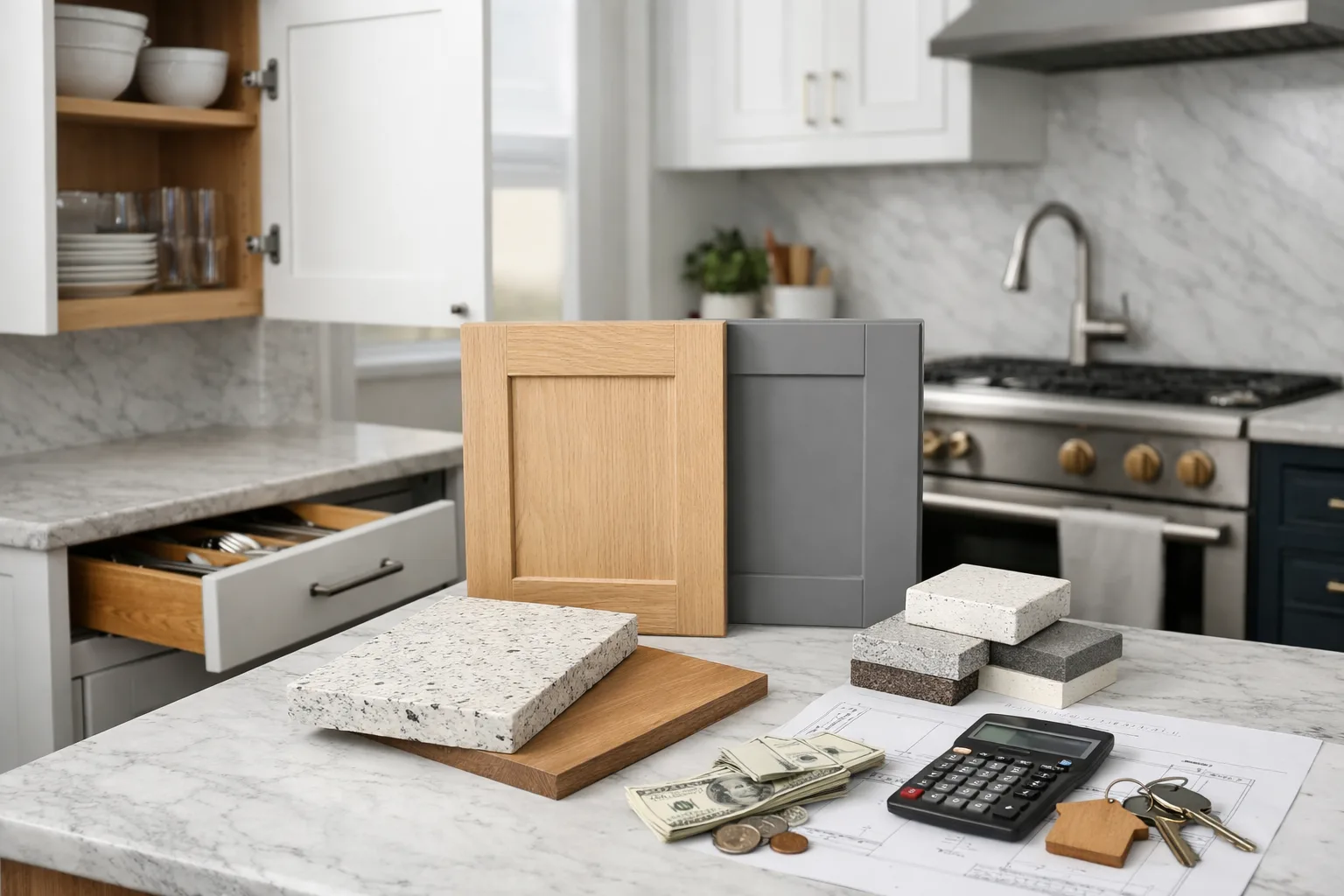
Kitchen cabinets form the backbone of any kitchen remodel, and understanding the various factors influencing kitchen cabinet pricing is essential. The materials chosen for construction play a pivotal role; solid wood, for example, offers exceptional durability and appeal but comes at a premium. Conversely, stock cabinets constructed from less expensive materials often present a more budget-friendly solution with basic design options. Design complexity can also substantially impact the cost; intricate designs may require additional labor and premium materials, thus increasing expenses. Moreover, geographic location substantially influences pricing. For instance, professional installation costs can differ widely, with cities like San Francisco imposing higher labor costs compared to smaller towns.
Cabinet type is another critical consideration. Stock cabinets are pre-manufactured and readily available, making them the most affordable choice, while semi-custom cabinets provide enhanced flexibility in terms of design and size adaptations. These allow for greater personalization but at a commensurately higher cost. Fully custom cabinets offer the utmost in design freedom, being tailor-made to meet specific needs and aesthetic preferences, but they are a significant investment. Seasonal demand fluctuations also affect pricing, as installation costs might increase during peak renovation periods.
Material Options: Pros and Cons
The choice of materials for kitchen cabinets doesn’t only influence cost but also impacts longevity and aesthetic appeal. Solid wood is renowned for its superior quality and durability, providing a classic look and potential increase in property value. However, its high cost can be prohibitive. An alternative high-quality choice is plywood construction, which combines durability with a more manageable price. Medium density fiberboard (MDF) is popular for those working with a tight budget, offering a smooth finish suitable for painted surfaces, though it lacks the structural integrity of plywood or solid wood. When navigating material choices, one must weigh style preferences against budget constraints to invest wisely for the long term.
Consider the implications of material choice on style preferences and longevity. For example, MDF may be suitable for contemporary designs that require a smooth, clean finish and plan changes in the medium term, while solid wood options better complement traditional styles intended to last for decades. Ultimately, the choice of material will significantly impact overall kitchen cabinet costs, affecting everything from initial purchase price to long-term value and maintenance needs.
Material Choices and Their Impact on Budget
Affordable Material Alternatives
For those seeking an economical approach to kitchen renovation, affordable materials and cabinet types such as ready to assemble cabinets and flat pack boxes present significant savings opportunities. Opting for these alternatives can reduce costs not only in purchasing but also in installation, which can often be completed as a DIY project under the right circumstances. MDF and particleboard are costeffective choices that, while they may compromise on durability compared to higher-end options, deliver on aesthetic appeal and budget requirements. Additionally, open shelving offers a minimalist appearance using fewer materials, which can modernize a kitchen without incurring significant expenses.
Ready to assemble cabinets offer another budget-friendly solution. These products typically arrive in flat pack boxes with all necessary components included, minimizing transportation costs and installation fees when compared to custom cabinetry. They provide flexibility in design and layout, accommodating various kitchen spaces while being respectful of tight budgets. Another cost-saving tactic is selecting pre made cabinets, where the economies of scale are passed directly to consumers, further driving down expenses.
High-End Material Considerations
In cases where the kitchen cabinet budget allows for luxury options, investing in high-quality materials such as solid wood or high-end veneers is worthwhile. These choices not only ensure long-term durability and functionality but also elevate the entire kitchen space’s aesthetic quality. Specialty units crafted from such premium materials add unique character and can greatly contribute to raising a home’s resale value. When considering high-end materials, it’s crucial to evaluate the potential return on investment (ROI). Well-selected, superior quality cabinets can increase the immediate charm of a kitchen and pay off in the long run through enhanced property value and reduced maintenance costs over time.
A detailed examination of high-end choices should include an analysis of labor requirements and professional installation considerations, as custom cabinetry often necessitates expert craftsmanship. Considering this aspect, partnering with experienced cabinet builders ensures that your investment is not compromised by poor installation. The final price of kitchen cabinetry in this tier should be assessed with future property valuations in mind, capitalizing on materials and construction methods that promise enduring value.
Navigating Style and Design Within Your Budget

Choosing Between Stock, Semi-Custom, and Custom Designs
The decision between stock, semi custom, and fully custom cabinets hinges upon budgetary constraints, the kitchen’s layout, and personal style preferences. Stock cabinets are preassembled and mass-produced, available in a limited range of sizes and finishes that suit standard kitchen spaces. Their primary appeal lies in their affordability and quick availability, making them a go-to solution for remodelers aiming to save money.
Semi custom cabinets present a middle ground with expanded customization options such as adjustable sizing and a broader palette of finishes. This added versatility, combined with a moderate increase in cost, can be ideal for those looking to balance specific aesthetic desires with budget limitations. On the high end, custom cabinetry offers unparalleled design leeway, accommodating complex layouts and niche style preferences down to the smallest detail. Selecting the best cabinet style requires careful consideration of both immediate budget and long-term usage to ensure the chosen option aligns with personal vision and financial resources.
Design Complexity: Cost vs. Aesthetics
In terms of kitchen design, the complexity of cabinet styles and features can dramatically alter not only the visual appeal but also the overall project cost. Simple, clean-lined designs are often the most budget-friendly, utilizing less intricate craftsmanship and less expensive materials. However, intricate cabinet types with specialized door styles, artful carvings, or integrated specialty units can create showstopping kitchen spaces, albeit with a higher price tag.
Striking a balance between desired aesthetics and realistic financial parameters requires a nuanced approach. Working with a skilled interior designer can be invaluable in identifying where to splurge versus save within your kitchen cabinet budget, ensuring that the final look delivers both functional and visual impact. By prioritizing certain design features and exploring semi custom options, homeowners can achieve a balance between cost efficiency and personalized style advancements.
Decoding the Pricing of Cabinet Finishes and Hardware
Popular Finishes by Cost
The finish applied to kitchen cabinets is a key contributor to both their appearance and their overall cost. Economic choices such as paint and laminate finishes provide an array of aesthetic possibilities suited to various kitchen styles, often at a more affordable price point. Laminate surfaces, in particular, boast advantages in terms of durability and ease of maintenance, being resistant to staining and moisture.
In contrast, more sophisticated finishes, such as stains or glazes, extend a refined depth to cabinet surfaces but require additional labor and materials to achieve their unique looks. These finishes serve to highlight the natural grain of wood and can lend an opulent touch to kitchen spaces, particularly when applied to solid wood cabinets. Contemporary trends, including matte and glossy finishes, each present distinct price variances and their own sets of upkeep considerations, necessitating a thoughtful decision process aligned with budget and personal style preferences.
Essential vs. Luxury Hardware
The selection of hardware, including handles, knobs, and drawer mechanisms, significantly contributes to both cabinetry costs and their overall utility. Essential hardware, such as soft close drawer mechanisms and functional pulls, should be prioritized as they are crucial for user comfort and long-lasting cabinet performance. Balancing these necessities alongside more ornamental or bespoke hardware can help maintain alignment with a kitchen cabinet budget.
Luxury hardware options can enhance cabinet elegance, offering diverse materials ranging from polished stainless steel to hand-forged iron. While these provide opportunities for individualized style statements, their higher costs necessitate consideration of budgetary limits and future design trends. Engaging a professional designer can provide valuable insights into which hardware investments offer the best balance between cost-effectiveness and aesthetic sophistication.
Technical Deep Dive: Construction Quality and Its Economic Effects

Joint and Frame Construction Types
The technical details of cabinet construction, including joint and frame types, bear significant implications for both durability and cost. Traditional framed cabinets utilize heavy-duty hardware and wooden supports to offer robustness especially critical in supporting upper cabinets. Their construction typically results in greater stability and alignment, justifying their higher production costs. Alternatively, frameless—or European-style—cabinetry provides a sleek, modern look that requires precision manufacturing and typically demands higher quality materials for comparable durability.
Understanding these technical distinctions can safeguard against choosing styles that do not deliver sufficient support or longevity for planned kitchen uses. Whether opting for more traditional framed designs or exploring contemporary frameless variations, homeowners should weigh these options in conjunction with planned kitchen layouts and functional necessities to ensure a harmonious balance between quality, cost, and style.
Understanding Durability and Cost Efficiency
Durability is a critical aspect when budgeting for kitchen cabinets, heavily influencing future expenses and maintenance demands. Cabinets evenly constructed with solid frames, superior material choices, and well-executed joinery methods are likely to justify the initial outlay through long-term cost efficiency. By opting for well built cabinets with durable materials like medium density fiberboard or high-quality plywood, homeowners can effectively extend longevity and reduce ongoing repair needs.
Analyzing how various material choices relate over time frames kitchen cabinet decisions in a cost-efficient context while boosting overall household value. Cabinets considered high-quality often require less frequent replacements, offering a better return on investment by enhancing user satisfaction and reducing overall lifecycle expenditure.
ROI & Cost Analysis: The True Value of Investing in Quality Cabinets
Long-Term Value Considerations
The initial expenditure for high-quality cabinets is often offset by their contribution to a home’s long-term value and appeal. High-grade cabinets elevate kitchen function and allure, integral components that potential buyers value highly. Choosing cabinets with superior design and construction capabilities ensure fewer repairs and lower replacement frequencies, reducing future costs significantly.
These considerations reinforce the notion that strategic investment in exceptional cabinetry can catalyze an impressive return through both enhanced living spaces and promises of future value appreciation. Thoroughly evaluating the long-term benefits and understanding how they influence overall renovation strategies cements confident, informed decision-making.
Balancing Short-Term Costs and Long-Term Gains
The tension between initial affordability and long-term investment benefits is a familiar narrative in home renovations. Opting for cheaper cabinets equips homeowners with immediate fiscal relief but potentially at the expense of elevated future expenses. In contrast, high-quality and aesthetically pleasing options tend to maintain, or even increase, home value over time, encouraging a sound financial return on investment.
By conducting a thorough analysis of current and projected financial conditions alongside anticipated future needs, homeowners can establish realistic budgeting frameworks that prioritize quality materials and cabinets. In doing so, they secure lasting satisfaction and greater return potential, realizing budget maximization over the kitchen cabinets’ lifecycle.
Common Pitfalls When Setting a Kitchen Cabinet Budget
Hidden Costs to Watch Out For
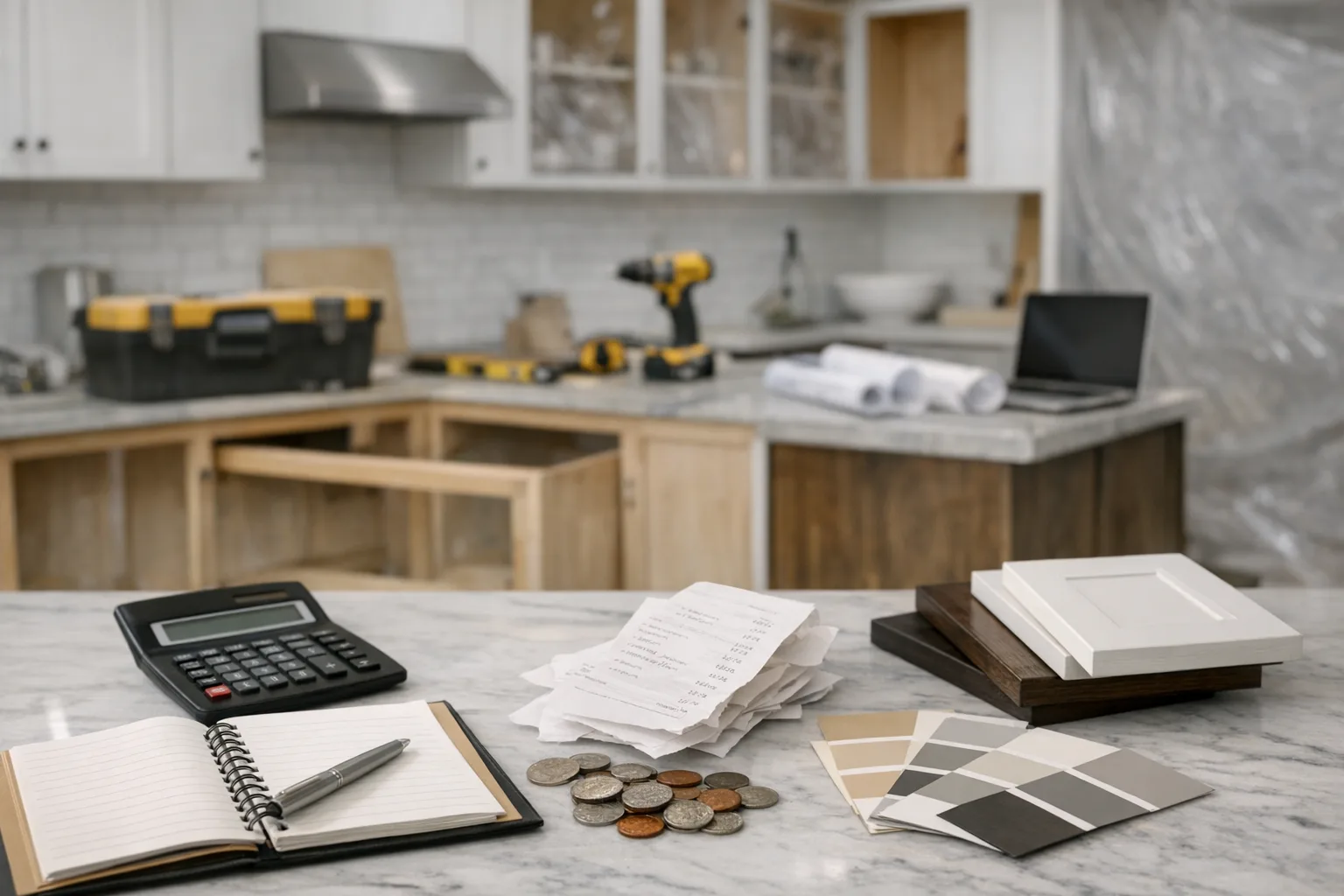
Successful navigation of the kitchen cabinet budgeting process requires foresight into unexpected expenses that could derail planned expenditure. Hidden costs often emerge in the guise of higher-than-anticipated labor, additional features, or surprise material markups. To preempt these challenges, securing a comprehensive, written cost estimate becomes crucial before commencing the renovation.
Accounting for potential unforeseen expenses by setting contingency funds into the allocated budget prepares for any abrupt financial surprises during the project rollout. Diving into cost specifics early informs a more accurate budget and ensures a smooth kitchen cabinet installation experience without unpleasant fiscal setbacks.
Avoiding Design and Installation Mistakes
Poor planning compounds risks of errors and unnecessary expenses during cabinet design and installation. Partnering with design and installation professionals mitigates risks such as off-kilter cabinet placement or mismatched door styles that diminish usability and aesthetic quality. Engaging trusted experts assures access to insight-driven recommendations that circumvent costly mistakes.
For homeowners in Philadelphia and similar metropolitan areas, exploring local options like hiring experienced kitchen cabinet installers provides localized expertise that aligns with regional design preferences and logistics. This engagement ultimately maximizes the quality and stays within revised budgets while achieving desired outcomes.
Local Considerations: Tailoring Your Budget to Regional Norms
Regional Price Variations
Geographic variability often influences kitchen cabinet pricing, driven by localized market factors and supply chain logistics differences. Undertaking a study of regional trends and collecting quotes from local suppliers help align initial budgeting expectations with actual costs in specific areas, whether urban or rural.
In metropolitan hubs like New York City, pricing characteristically reflects perceived market affluence and demand fluctuations, meaning significant price divergences can occur between installations even across short geographical distances. Awareness of such factors and integrating them into budget plans results in coherent expectations aligned with local economics.
Local Design Preferences
Distinct regional design sentiments can influence kitchen renovation decisions, often contributing to renovation value. Historical charm in Philadelphia or earthy modernist themes in the Pacific Northwest speaks to the endearing quality and rootedness that drives many kitchen design decisions. Understanding these preferences strategically informs how kitchens can be tailored to both personal style and regional market trends.
Adopting region-specific design cues for consistent kitchen layout improvements ensures alignment with neighborhood appeal while impacting renovation resale potentials favorably. Comprehensive engagement with local cabinetry experts introduces these regional nuances into budgeting practices, instilling confidence in renovation payoffs.
Financing Options for Managing Cabinet Expenses
Traditional Financing Methods
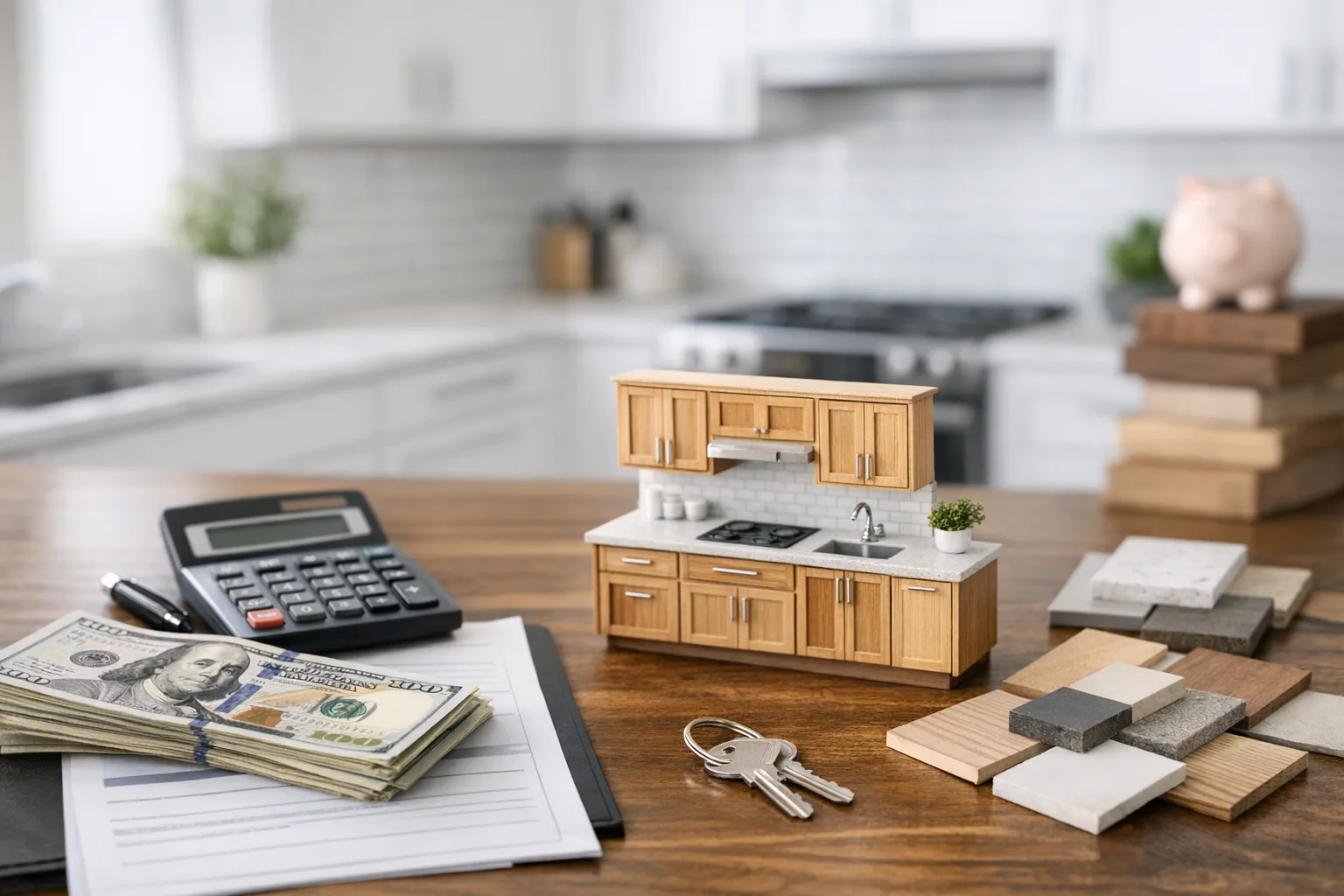
Standard financing mechanisms such as personal loans and home equity lines of credit (HELOCs) support homeowners in effectively managing their kitchen cabinet renovation budgets. These traditional methods offer predictability through fixed interest rates and terms that foster structured budget planning.
Considering all angles, securing traditional financing from reputable banks after consulting financial advisors provides a clearer understanding of long-term affordability. Assessing interest rates and repayment periods with unaided foresight enables homeowners to prioritize quality purchases without destabilizing household budgets.
Innovative Budgeting Solutions
In an era of innovation, beyond traditional methods, other financing solutions are rapidly emerging that offer increased budget flexibility. Zero-interest plans offered by cabinet suppliers can bridge budgetary gaps by extending accessibility to premium materials that were previously out of reach. Alternatively, building targeted savings plans or exploring peer-to-peer financing options serve as inventive strategies promising to align renovation aspirations with practical financial considerations.
Engaging with modern financing solutions introduces additional financial agility for sizeable renovations, allowing homeowners to mobilize funds prudently while retaining the essence of their dream kitchen. Harnessing these innovative approaches ensures kitchen cabinet projects align seamlessly with personal visions while addressing budget constraints.
Conclusion: Crafting a Realistic Cabinet Budget
Integrating All Elements
Crafting a comprehensive kitchen cabinet budget involves a holistic integration of material choices, design preferences, and financing strategies. Through conscious deliberation on these interconnected factors, homeowners are better equipped to execute informed financial decisions practically aligned with personalized kitchen aspirations.
Leaning on expert advice enhances decision-making confidence, catalyzing sound budgeting processes that safeguard both cost-efficiency and aesthetic satisfaction. Carefully considered plans maximize homeowners’ investment returns by harmonizing immediate expense management with enduring property enhancements and personal satisfaction.
Executing Your Budget Effectively
Effective execution of your kitchen cabinet budget necessitates meticulous planning, routine evaluation, and sustained involvement. Continuous reassessment of project priorities ensures alignment with long-term renovation goals, accommodating adjustments when necessary while retaining focus on quality outcomes. Employing methodologies that emphasize practical value results in seamless renovations that articulate vision clearly.
Designing a coherent strategy that encapsulates budgeting insights and methodical planning ensures projects remain stress-free and gratification oriented. Maintaining an educated approach throughout secures significant satisfaction with achieved milestones and the ultimate realization of a dream kitchen. For a streamlined experience, the 5 simple steps to design your kitchen can further facilitate achieving renovation objectives effectively.