Why Cabinet Depth Matters in Kitchen Design
When planning a kitchen remodel or new kitchen layout, one of the most overlooked yet critical elements is cabinet depth. It’s not just about storage space—it’s about flow, functionality, and how every component fits together within your kitchen space. The correct cabinet depth ensures your appliances are flush, your countertops align perfectly, and your room doesn’t feel cramped or awkward.
Whether you’re designing a small galley kitchen or an expansive open-concept cooking area, understanding cabinet depth and standard cabinet dimensions will help you make smarter decisions from the start. From semi custom cabinets to fully custom kitchen cabinets, every measurement matters.
At Kitchen Search, we design kitchen cabinets with a deep focus on usability, flow, and balance. In this comprehensive guide, we’re breaking down the latest cabinet depth standards, custom options, and smart planning tips for 2025 kitchens.
Understanding Cabinet Dimensions That Work for You
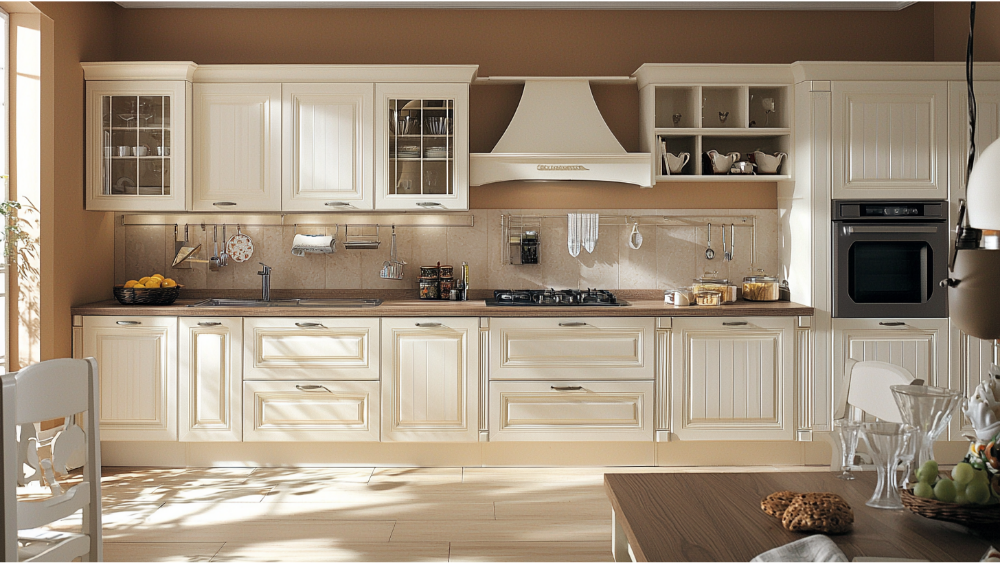
The first step in any kitchen design is getting familiar with standard kitchen cabinet sizes and how they work together. Cabinet dimensions vary based on the cabinet type—base cabinets, wall cabinets, tall cabinets, and specialty units like oven cabinets or corner cabinets.
When done right, your kitchen cabinets won’t just look great—they’ll maximize storage, provide ample space for daily tasks, and integrate seamlessly with your appliances. Here’s how to make sure you’re selecting the right cabinet dimensions for your space.
Standard Kitchen Cabinet Depths [2025 Dimensions]
Base Cabinet Dimensions: The Foundation of Every Kitchen
Standard depth: 24 inches (not including countertop). Base cabinets are typically 34.5 inches tall and are the main workhorses of any kitchen. They support your countertops and house your sinks, drawers, trash pullouts, and base storage.
With countertop: Once you add a standard countertop overhang of 1 to 1.5 inches, your final depth becomes approximately 25 to 26 inches.
Why it matters: These standard base cabinet widths and depths give you ample storage space without crowding your kitchen. Deep cabinets here are ideal for pots, pans, and small appliances. For larger kitchens or for designs with double basin sinks, some homeowners opt for deeper 27-inch or even 30-inch base cabinets for additional storage.
At Kitchen Search, we offer base cabinets in all standard cabinet dimensions, with semi-custom modifications available to suit any layout or appliance combination.
Wall Cabinet Sizes and Standard Depths
Standard depth: 12 inches deep. Wall cabinets—also called upper kitchen cabinets—are mounted on the wall above base cabinets. They are shallower to avoid interfering with cooking tasks and to maintain eye-level accessibility.
Variations: Wall cabinet depths can extend to 15 or even 24 inches, especially over refrigerators, ovens, or over the range microwaves. These deeper upper cabinets provide additional storage for rarely used items or seasonal cookware.
Height considerations: Standard wall cabinets range in height from 30 to 42 inches. If you have higher ceilings (9 feet or more), taller cabinets can be extended to the ceiling with crown molding or stacked upper units to create full-height kitchen wall cabinets.
Browse our stylish and functional wall cabinets designed for today’s kitchens—whether you need shallow cabinets for a tight galley or tall kitchen cabinets that reach the ceiling.
Tall Cabinet Dimensions and Storage Possibilities
Standard depths: 12 and 24 inches. Tall cabinets—also referred to as utility cabinets or pantry cabinets—are ideal for full-height storage. These units are often used for broom storage, full height pantry cabinets, or built-in oven cabinets.
Typical height: 84 to 96 inches tall, depending on your ceiling height. These towering storage solutions offer ample room for pantry storage, cleaning supplies, or even small appliances like air fryers and slow cookers.
Smart features: Tall kitchen cabinets benefit from pull out racks, rollout trays, and adjustable shelving to make the most of deep cabinet interiors. For extra accessibility, consider mixing in filler cabinets or open shelves.
Explore pantry and tall cabinet options to get the most from your vertical kitchen space.
Custom Deep Cabinets for Your Dream Kitchen
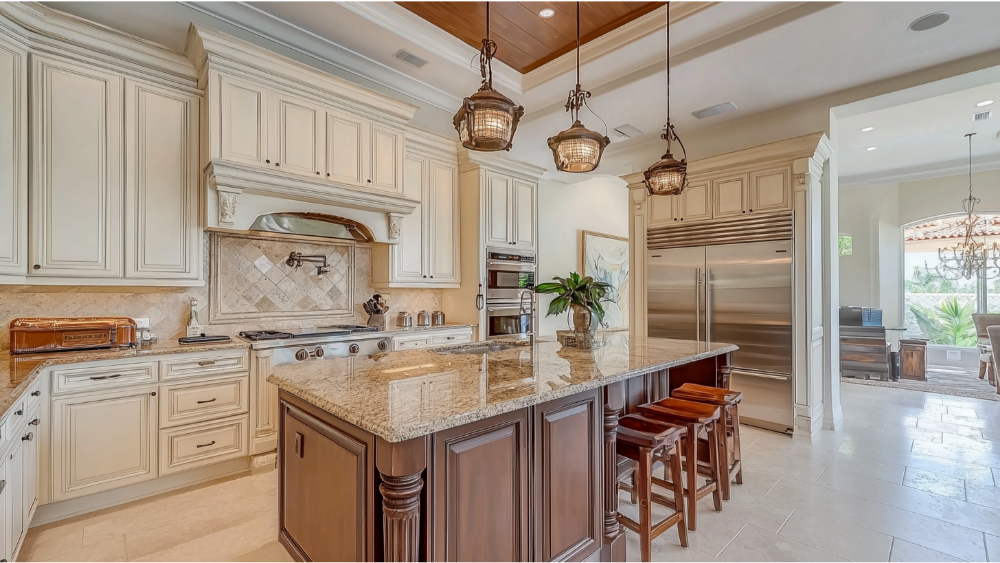 While standard cabinets work for most kitchens, not all kitchen spaces are created equal. Custom kitchen cabinets let you adapt to unique floorplans, appliance specs, or personal preferences.
Why go custom?
- In narrow kitchens, shallower cabinets increase clearance without sacrificing storage.
- In larger kitchens, deeper cabinets (up to 30 inches) can be added for storing large serving trays, cookware, or specialty items.
- On kitchen islands, custom depths create multi-functional zones—think seating, prep, and storage all in one.
Cabinet types commonly customized:
- Base cabinets (especially sink bases and corner cabinets)
- Wall cabinets over refrigerators
- Tall cabinets that integrate built-in appliances
Kitchen Search specializes in custom cabinetry, offering semi custom cabinets that give you more flexibility at a fraction of full custom cost.
Planning for Countertop Overhang: What You Need to Know
Standard countertop overhang: 1 to 1.5 inches. It may seem minor, but this measurement has a big impact on your final kitchen layout.
Why it matters: Overhang affects appliance clearance, seating comfort at kitchen islands, and the visual alignment of cabinet faces. It’s especially important when designing around corner space, walkways, or filler cabinets that make base cabinet runs line up smoothly.
Always account for overhang when calculating traffic flow or island workspace in your kitchen layout.
Choosing the Right Cabinet Depth for Your Needs
 Ergonomics and Accessibility
 Ergonomics and Accessibility
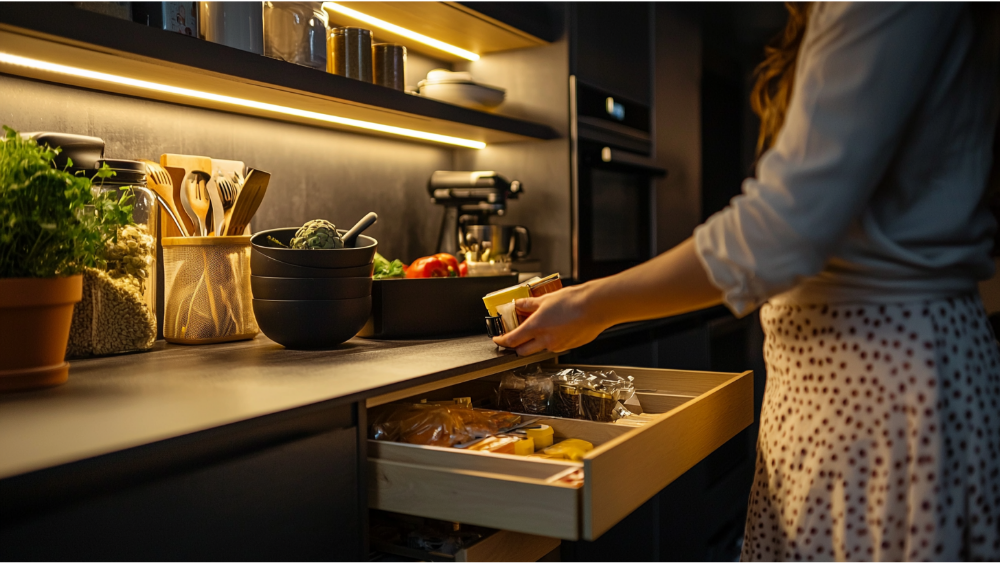
Selecting the right cabinet depth isn’t just about aesthetics—it’s about making your kitchen easier to use. Deep cabinets are great for storage, but if they’re too deep, they become hard to access.
Use pull out racks, lazy Susans, and rollout trays to maintain ample storage space while keeping everything within reach. Shallower cabinets can be a better option for homes with children, seniors, or limited mobility.
Appliance Integration and Cabinet Depth Compatibility
Your kitchen cabinet dimensions must work hand-in-hand with appliance specs. Here’s what to look out for:
- Base cabinet alignment: Dishwashers and ranges should align with 24 inches deep cabinets for a flush look.
- Wall ovens: Oven cabinets start at 24 inches deep and must include ventilation and access panels.
- Refrigerator clearance: Adjacent upper cabinets or wall cabinet units should not interfere with door swing.
Carefully measuring the back of the cabinet to the front edge ensures your appliances and cabinets align properly.
Style, Storage & Flow in Your Dream Kitchen
Cabinet depth plays a major role in how your kitchen looks and feels. Use staggered wall cabinets, taller cabinets, or deep kitchen island units to add visual interest and maximize storage.
Using a mix of cabinet types—like full overlay upper cabinets, inset base cabinets, and decorative tall units—can elevate your entire design. Don’t forget the finishing touches like crown molding or under-cabinet lighting to complete the look.
Mistakes to Avoid When Measuring Cabinet Depth
Avoid these common pitfalls:
- Overlooking countertop overhang: Always measure from wall to finished countertop edge.
- Ignoring ceiling heights: Know if your ceiling can accommodate 42-inch wall cabinets or needs filler space.
- Forgetting appliance specs: Wall ovens, cooktops, and built-in fridges require precision.
- Not utilizing corner cabinets: Maximize awkward corner space with rotating shelves or pullout trays.
Let our installation professionals ensure a flawless fit from start to finish.
Frequently Asked How Deep Are Kitchen Cabinets Questions
Are all kitchen cabinets 24 deep?
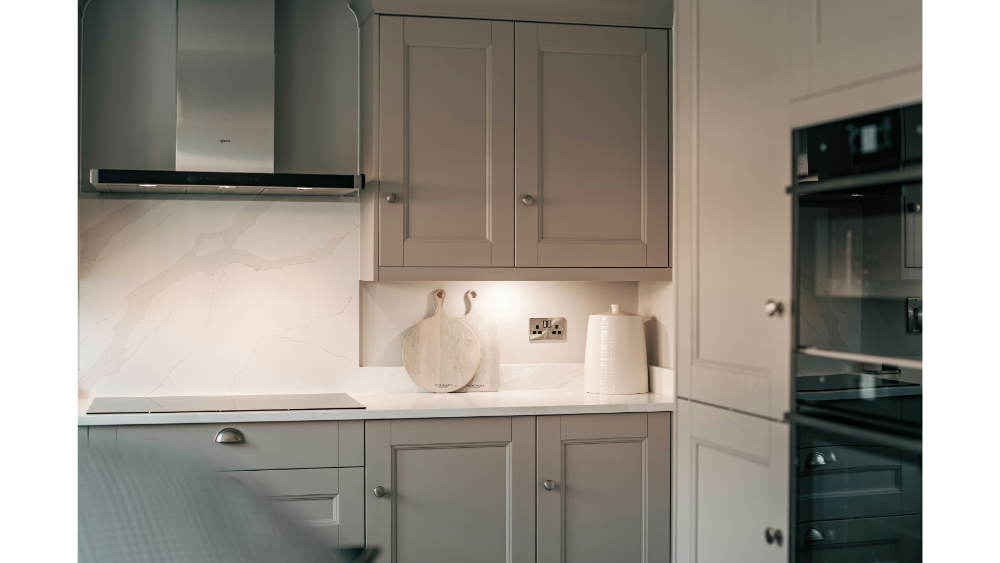 Are all kitchen cabinets 24 deep?
Final Thoughts: Design Smarter With the Right Cabinet Sizes
Cabinet depth isn’t just a detail—it’s a design cornerstone that affects every part of your kitchen’s performance. Whether you’re working with standard kitchen cabinet dimensions or exploring deeper custom options, choosing the right sizes will ensure your kitchen looks great and works even better.
Need help selecting the perfect cabinet sizes for your space? Our design specialists at Kitchen Search are here to help you build a kitchen that checks every box—function, beauty, and smart storage.
Contact us now or start planning your kitchen layout using our Kitchen Visualizer Tool. Your dream kitchen starts here.