How Do Contractors Handle Transitions Between Kitchen and Other Rooms?
When homeowners begin planning a kitchen remodel, they often focus on cabinets, countertops, appliances, and storage. While those elements matter, experienced contractors know that room transitions are one of the most important parts of the entire renovation. The way a kitchen connects to the dining room, family room, hallway, laundry room, bathroom, pantry, or surrounding spaces can completely transform how the house looks and functions.
Many homeowners specifically ask, how do contractors handle transitions between kitchen and other rooms when creating open concept layouts or updating older houses with partial openings and closed off walls. The answer depends on the structure of the house, the flooring materials, the ceiling height, the amount of natural light, and the overall remodel plan.
In many modern homes, the kitchen is no longer treated as one room separated by walls and doors. Instead, open floor plans continue to dominate remodeling and construction trends. Families want better flow, more light, and a stronger sense of connection between the kitchen and the rest of the house. Contractors carefully plan every transition between two rooms to create a functional and visually balanced space that supports everyday life.
Why Kitchen Transitions Matter More Than Homeowners Realize

A transition is more than a simple doorway or opening between one room and another. Contractors view transitions as a critical part of the overall layout because they affect flow, function, light, and safety throughout the house.
The Transition Affects Both Appearance and Function
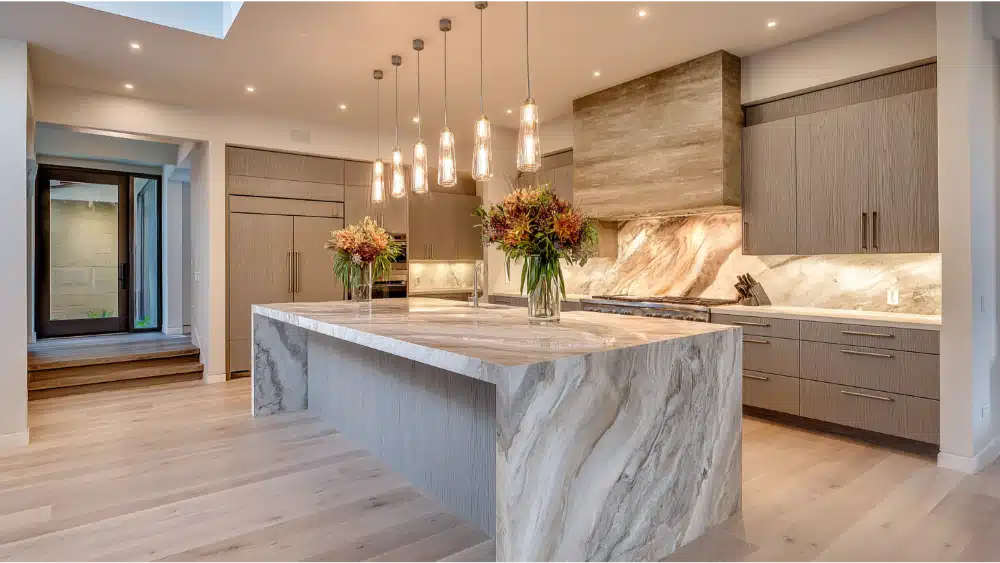
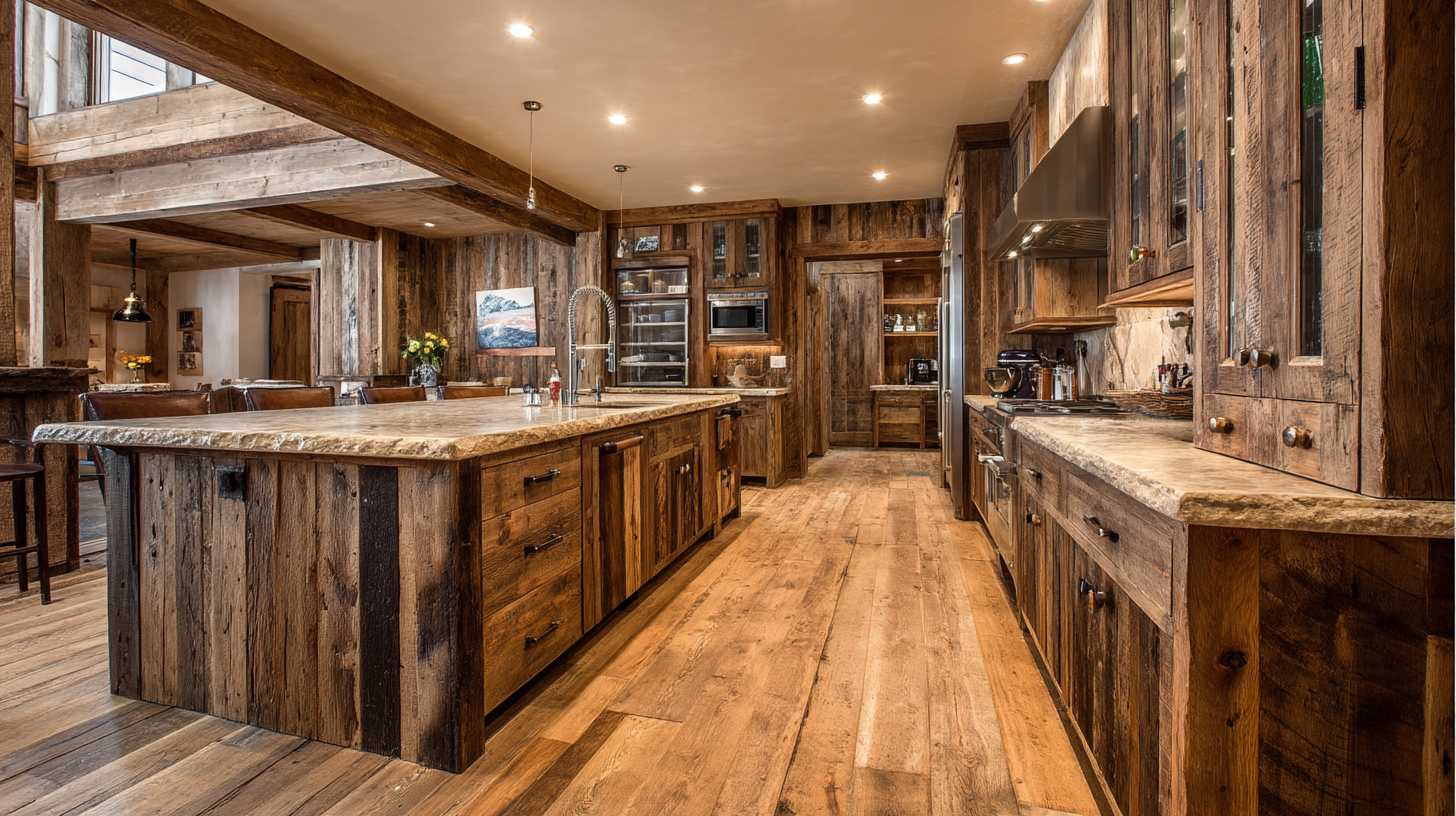
When contractors create smooth room transitions, the kitchen feels larger and more connected to surrounding spaces. A seamless transition between the kitchen and dining room or family room improves the visual line of sight and allows natural light to travel farther across the open floor.
Poorly planned transitions can interrupt flow and make the space feel forced or disconnected. For example, uneven flooring between tile and wood can create a visible break in the middle of the room and become a tripping hazard for kids or older family members.
Professional contractors focus on balance. They want the kitchen to connect naturally to the rest of the house while still preserving function and defined zones where necessary.
Common Areas Connected to the Kitchen
Most kitchen remodel projects involve transitions into at least one additional room. Common surrounding spaces include the dining room, family room, hallway, laundry room, pantry, bathroom, bedrooms, and entryway. Every opening between rooms requires careful planning because each space serves a different purpose in daily family life.
Why Transition Planning Happens Early
Contractors do not wait until the end of construction to think about transitions. During the planning phase, they evaluate flooring thickness, ceiling height, window placement, load bearing wall locations, appliance placement, furniture layout, island position, and doorway dimensions.
These elements help contractors create a transition plan that supports both structure and design. In many remodel projects, removing a load bearing wall or expanding an opening changes the entire flow of the house.
The Most Common Types of Kitchen Flooring Transitions Contractors Use
Flooring transitions are one of the most visible parts of any kitchen renovation. Contractors typically choose the transition style based on the layout, materials, and how the family uses the space.
Seamless Same Flooring Transitions
One of the most popular ideas in modern remodeling is using the same flooring throughout connected rooms. This approach is especially common in open concept homes with open floor layouts and larger openings between rooms.
Continuous flooring helps create better flow, improves natural light movement, and makes one room blend naturally into the next. Wood flooring, luxury vinyl plank, and large tile are common materials for open floor plans because they create a stronger sense of continuity throughout the house.
Transition Strips Between Flooring Materials
Sometimes contractors use different flooring materials in connected spaces. In those situations, transition strips help bridge the gap between two rooms.
For example, the kitchen may use tile while the dining room uses wood flooring. A laundry room or bathroom may use waterproof flooring while surrounding spaces use hardwood. Transition strips create a cleaner line while protecting flooring edges from damage.
Flush Transitions for a High-End Look
Many clients request a seamless transition between rooms. To create this effect, contractors carefully plan flooring heights during construction.
A flush transition often requires subfloor adjustments, careful tile thickness selection, and structural planning. This type of transition is especially popular in open concept remodel projects where homeowners want uninterrupted flow from the kitchen to the family room or dining room.
Threshold Transitions at a Doorway
In traditional homes, contractors may intentionally separate spaces using a doorway threshold. This approach still works well in houses where each room serves a distinct function.
For example, a bathroom or laundry room may use tile while the kitchen uses wood flooring. The doorway transition helps define the opening while managing moisture and wear.
How Contractors Handle Tile to Hardwood Transitions

Tile to wood transitions remain one of the most common challenges in kitchen remodeling.
The Challenge of Uneven Flooring Heights
Tile installations are usually thicker than hardwood flooring because they include underlayment, mortar, and waterproofing layers. Without proper planning, the kitchen floor may sit higher than the surrounding room.
This height difference can interrupt flow and create an awkward transition line in the middle of the space.
Popular Contractor Solutions
Contractors use several methods to solve this problem. Reducer strips gradually lower the height between flooring materials. Installers may also raise the lower floor to create a smoother transition.
Advanced planning allows contractors to create a seamless transition between tile and wood flooring. Some remodel projects intentionally highlight the transition using contrasting materials or decorative tile patterns.
Best Transition Styles for Modern Kitchens
Most modern homeowners prefer subtle transitions that do not interrupt the visual flow of the space. Contractors often use low profile transition systems that blend naturally into the flooring and connect rooms more effectively.
This approach helps create a more open concept appearance throughout the house while preserving function.
Mistakes That Lead to Flooring Problems
Poor installation can lead to cracked tile edges, loose flooring, gaps between materials, and uneven transitions. Water damage near the opening between rooms can also weaken flooring over time.
Professional contractors plan these details early so clients do not face expensive repairs later.
Open Concept Kitchens and Seamless Room-to-Room Flow
Open concept remodeling has completely changed how contractors approach room transitions.
Why Open Floor Plans Require More Planning
In open floor plans, the kitchen becomes part of a larger shared living space. That means transitions must support better light distribution, improved family interaction, easier walk paths, furniture placement, and consistent flooring flow.
Because there are fewer walls, every opening becomes more visible. Contractors carefully evaluate ceiling height, window placement, and wall removal opportunities before beginning construction.
Flooring Choices Contractors Recommend
Contractors typically recommend durable flooring materials that work across multiple rooms. Engineered wood, luxury vinyl plank, porcelain tile, and waterproof flooring are all common choices for modern kitchen remodel projects.
The goal is to connect the kitchen to the dining room and family room without creating visual clutter or interrupting the natural flow of the house.
When Contractors Intentionally Separate Spaces
Even in open concept layouts, contractors sometimes create defined zones to separate functions within the house.
An area rug beneath the dining room table can visually separate one room from another while preserving openness. A rug near the family room seating area can also create a more comfortable and functional gathering space.
Other design elements may include different ceiling treatments, partial openings, lighting changes above the kitchen island, or decorative wall details that help define each area.
Coordinating Kitchen Cabinets and Surrounding Rooms
Contractors also coordinate wall colors, flooring materials, ceiling finishes, furniture style, window trim, light fixtures, and storage solutions throughout the house.
A successful remodel helps every room connect naturally without making the entire house feel repetitive. The goal is to create balance between openness and functionality.
How Contractors Prevent Uneven Floors and Trip Hazards

Safety remains one of the most important parts of any kitchen remodel.
Subfloor Preparation Methods
Before flooring installation begins, contractors inspect the structure underneath the floor. Self leveling compounds, plywood buildup, and structural reinforcement help create a smoother transition between rooms.
These construction details matter because weak subfloors can eventually damage flooring and interrupt the flow between spaces.
Building Code and Safety Considerations
Contractors carefully evaluate transition height because uneven flooring can become dangerous for kids, guests, and older family members.
Smooth transitions improve walk safety, daily function, and accessibility throughout the house. This is especially important in open floor designs where multiple rooms connect together without barriers.
Why DIY Transitions Often Fail
Homeowners sometimes miss how complicated flooring transitions can become. Without proper planning, DIY projects may create uneven openings, weak structural support, poor material balance, or flooring separation issues.
Professional contractors understand how to balance design with long term performance.
Best Flooring Combinations for Kitchen Transitions
Different flooring combinations work better in different homes depending on family needs and layout goals.
Tile to Wood
This combination remains one of the most popular choices for kitchen remodel projects because it combines warmth with durability.
Tile to Luxury Vinyl Flooring
This option works well for busy family households because it is durable, waterproof, and easier to maintain.
Continuous Wood Flooring
Using the same wood flooring throughout the kitchen, hallway, dining room, and family room creates a stronger sense of continuity throughout the house.
Tile to Carpet
In some older homes, contractors still create transitions between tile kitchens and carpeted bedrooms or living spaces.
Modern Mixed Material Designs
Many modern remodel projects combine wood textures, matte tile finishes, and natural materials to create a clean and balanced appearance. The idea is to transform the kitchen into a more connected part of the house while preserving function.
What Contractors Consider Before Choosing a Transition Style

Every kitchen renovation requires a customized plan.
Moisture Exposure
Kitchens, bathrooms, and laundry room areas experience heavy moisture exposure. Contractors choose flooring materials that can handle spills, humidity, and daily family use.
Traffic Patterns
Contractors evaluate how family members move through the house every day. Kids running through the hallway, movement between the pantry and kitchen island, and guests entering through the door all influence transition placement.
These details matter because traffic flow affects both safety and long term flooring durability.
Structural Conditions
Some remodel projects require major construction changes, especially when removing a load bearing wall to create a larger open floor layout.
Structural modifications may involve beams, ceiling adjustments, support posts, and framing reinforcement. Load bearing walls must be handled carefully to protect the structure of the house.
Budget and Long Term Maintenance
Clients often want a balance between appearance, durability, and budget. Contractors help clients choose materials and transition styles that support long term function, easier maintenance, and better resale value.
Signs a Kitchen Transition Was Installed Incorrectly
Poor transitions often become noticeable shortly after installation.
Cracked Tile Edges
Movement underneath the flooring can crack tile near transition points.
Squeaking Floors
This often signals weak structural support or poor construction methods.
Visible Height Differences
Abrupt transitions interrupt flow and can become a safety issue in busy family homes.
Loose Transition Strips
Improper installation can cause materials to separate over time.
Water Damage
Moisture near the kitchen or bathroom opening can damage flooring if transitions are not sealed properly.
Why Professional Kitchen Remodelers Plan Transitions Early

Experienced contractors know transitions affect every part of the remodel.
Coordination Between Trades
Successful transitions require coordination between flooring installers, cabinet installers, construction crews, electricians, designers, and structural specialists. Every job depends on proper communication and planning.
Material Planning and Measurements
Contractors carefully plan flooring thickness, ceiling transitions, appliance placement, door opening dimensions, pantry access, and furniture spacing before construction begins.
Avoiding Expensive Mid Project Changes
Late adjustments can increase renovation costs and delay the complete remodel timeline. Early planning helps contractors avoid material waste, structural surprises, flooring mismatches, and layout problems.
Creating a Cohesive Finished Space
The best kitchen remodel projects feel connected to the rest of the house. Every transition should support flow, light, and function while improving the overall sense of openness and comfort.
Frequently Asked Questions About Kitchen Transitions
Should kitchen flooring match the dining room?
In many open concept homes, matching flooring helps create a seamless transition and improves flow between spaces.
What is the best transition between tile and wood flooring?
Flush transitions are often preferred because they create a cleaner visual line between materials.
Are transition strips outdated?
No. Modern transition systems are more subtle and blend naturally into contemporary flooring designs.
Can different flooring materials work in open floor plans?
Yes. Contractors often use strategic transitions, rugs, ceiling details, lighting, and wall openings to define zones while preserving openness.
Why do some remodel projects remove walls?
Removing a load bearing wall or widening an opening can help transform smaller rooms into larger open concept spaces with better light and improved family interaction.
Final Thoughts
A successful kitchen remodel involves far more than cabinets and appliances. Contractors carefully plan every transition between the kitchen and surrounding spaces to improve flow, function, safety, and visual balance throughout the house.
Whether the project involves flooring transitions, partial openings, structural changes, or a complete open floor renovation, professional planning helps create a more connected and functional living environment for the entire family.
The best room transitions feel natural, balanced, and intentional. When contractors properly coordinate flooring, ceiling details, wall openings, furniture placement, window placement, and lighting, the finished kitchen becomes a seamless part of the rest of the home.
This post demonstrates why thoughtful planning matters in every kitchen renovation project, especially when homeowners want modern open concept layouts that support everyday family life.