
Quartz vs. granite countertops can feel like a battle between engineered stone surfaces and natural stone with unique patterns. For many homeowners, choosing the right countertop material hinges on several factors, especially when comparing quartz countertops, granite countertops, and the benefits of granite and quartz countertops side by side. These factors include material cost, maintenance requirements, resale value, and daily wear durability. Let’s dive into a detailed comparison of quartz vs granite countertops to help you confidently choose the right countertop material for your home.
What Are Quartz Countertops and Granite Countertops
 Quartz Countertops Explained
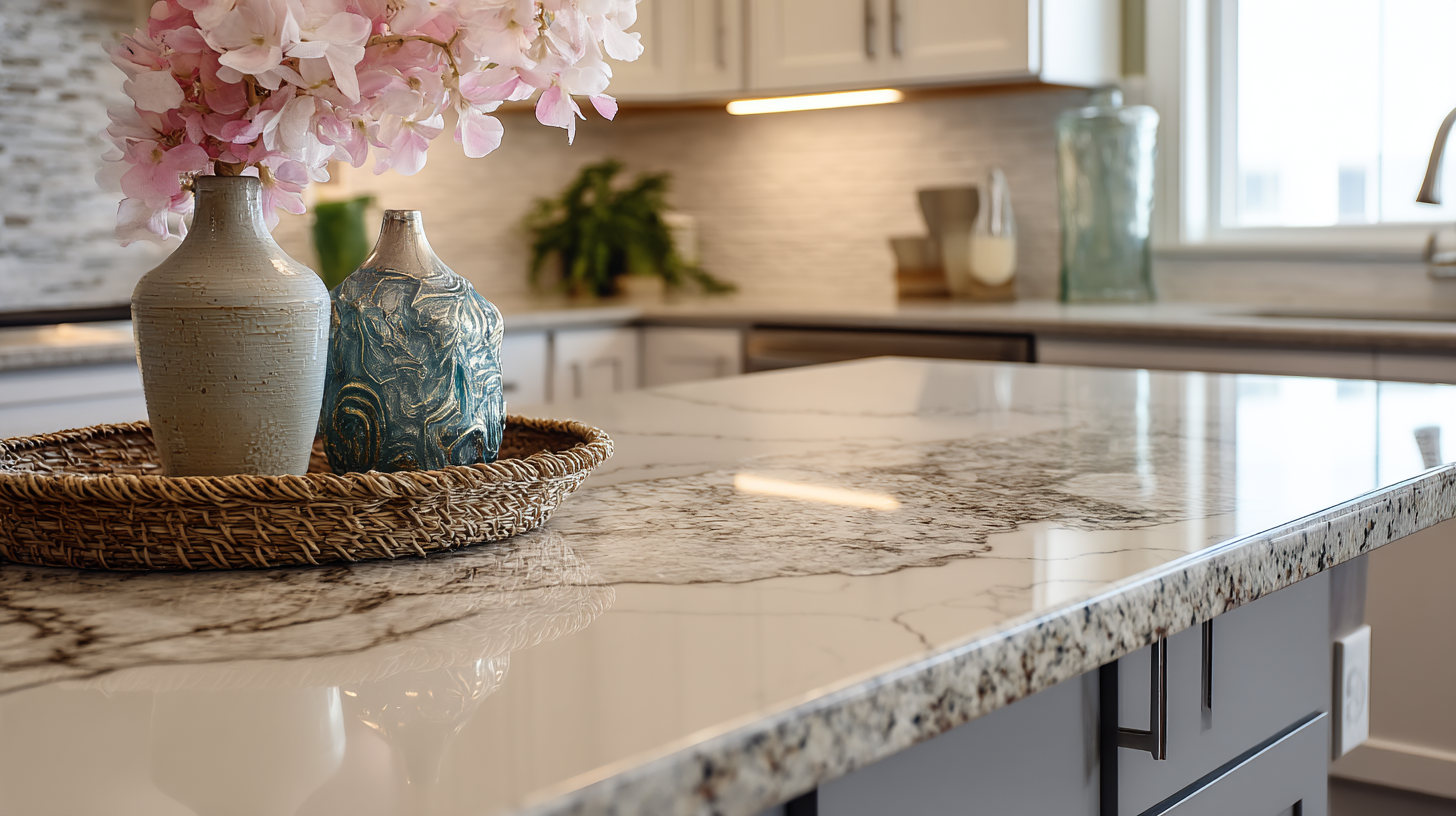
Quartz countertops are an example of engineered stone. They are created through a manufacturing process that blends approximately 90–93% crushed natural quartz with polymer resin binders, pigments, and other materials. This process produces uniform, consistent patterns across large slabs, resulting in a non porous surface that resists stains and scratches. Quartz requires virtually no sealing and is an ideal option for homeowners seeking low maintenance countertop materials with engineered surface durability and design versatility.
Granite Countertops Explained
Granite countertops are fabricated from granite, a natural igneous rock composed of quartz, feldspar, mica, and other minerals. Known for its natural beauty, hardness, and heat resistance, each slab of granite is unique. Natural materials impart bold character, veining, and variation, making no two granite slabs exactly alike. These one‑of‑a‑kind surfaces celebrate the organic aesthetics of natural stone and bring richness to any kitchen design.
A Detailed Comparison, Quartz and Granite Countertops at a Glance
 Pros and Cons of Quartz Countertops
 Pros and Cons of Quartz Countertops
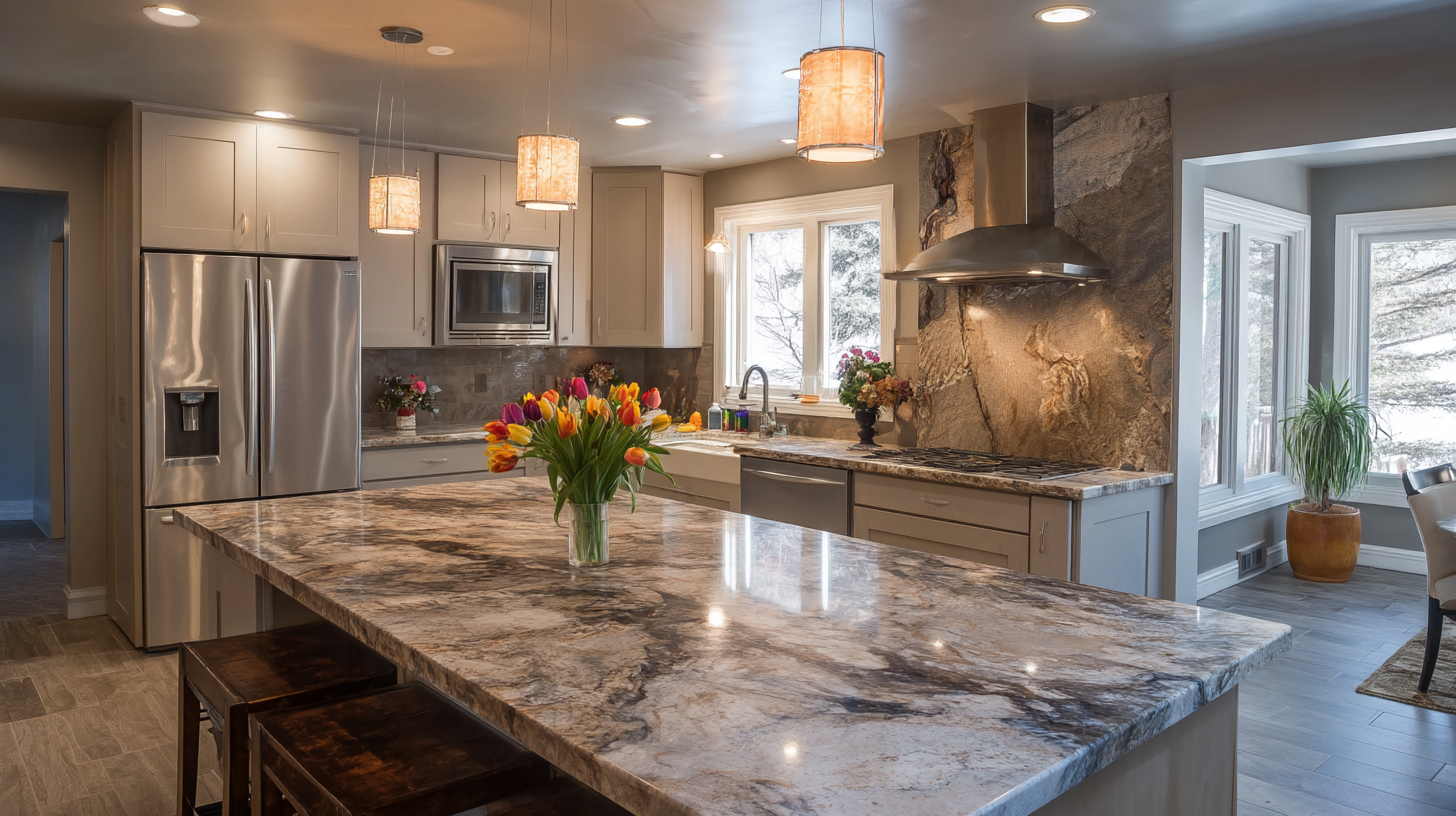
Pros: A non porous surface means no sealing is required. It resists stains and bacterial growth, and the maintenance requirements are minimal. Quartz is scratch resistant and highly durable, available in consistent patterns and a wide palette of colors including natural marble look designs. It’s a low maintenance option with engineered surface durability and hygiene benefits.
Cons: Although quartz is heat resistant, it’s not heatproof. Placing a hot pot directly on quartz can lead to heat damage or resin burn, so trivets are essential. Quartz cost can also run higher than granite in some cases, and the manufacturing process may raise worker safety concerns due to silica dust exposure.
Pros and Cons of Granite Countertops
Pros: Made of natural materials with stunning organic beauty, granite is heat resistant and highly durable. It imparts unique patterns and natural variations that enhance style. Granite countertop cost is often a budget friendly option compared to high‑end quartz. When sealed properly, granite resists stains and adds long‑term resale value.
Cons: Granite is porous and requires periodic sealing, typically once or twice a year. The edges can chip if struck, and the overall maintenance requirements are higher than quartz. There is also some concern about radon or natural radiation from certain granite slabs, although these levels are typically low and considered safe.
Durability, Heat Resistance, and Maintenance Requirements
Heat Resistance
 Heat Resistance
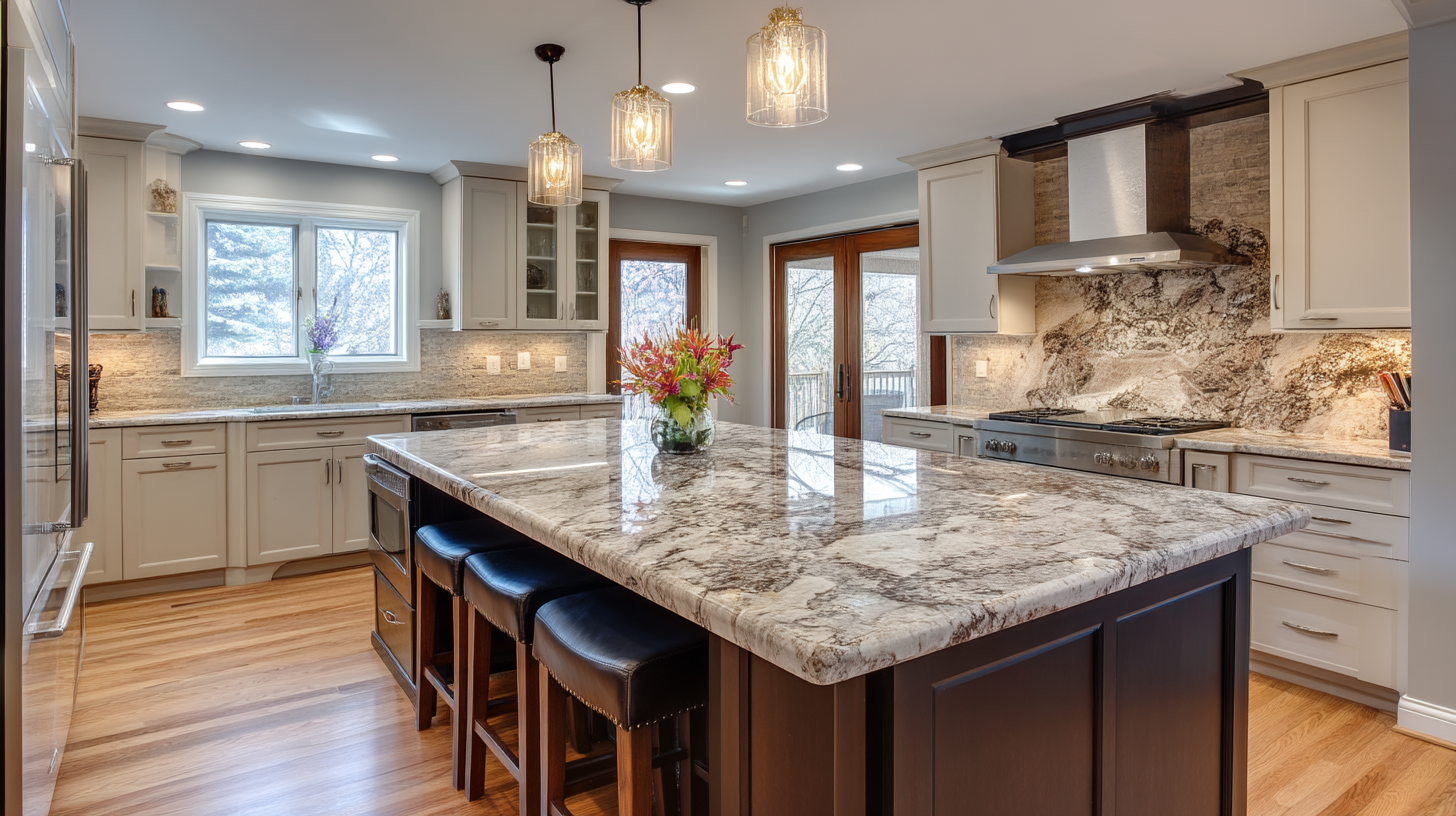
Both quartz and granite are heat resistant, but granite handles high temperatures better. Unlike granite, quartz engineered stone surfaces can suffer heat damage from hot pans or pots. To avoid damage, it’s essential to use a hot pad or trivet when placing anything hot directly onto quartz countertops.
Scratch Resistance and Stain Resistance
Quartz offers superior scratch resistance and stain resistance due to its non porous surface. Granite, even when sealed properly, is still more porous than quartz and needs regular attention to avoid absorbing liquids that could stain. Proper maintenance and periodic sealing help granite countertops remain beautiful and functional for decades.
Maintenance Requirements
Quartz requires little to no maintenance, just regular cleaning with mild soap and water. Granite demands more care, including periodic sealing and timely cleanup of spills. For homeowners who prefer a hands-off approach, quartz is the more low maintenance choice. Granite, while more work, rewards homeowners with unmatched natural aesthetics.
Appearance, Style Options, and Design Trends
Quartz: Consistent Patterns and Design Versatility
 Quartz: Consistent Patterns and Design Versatility
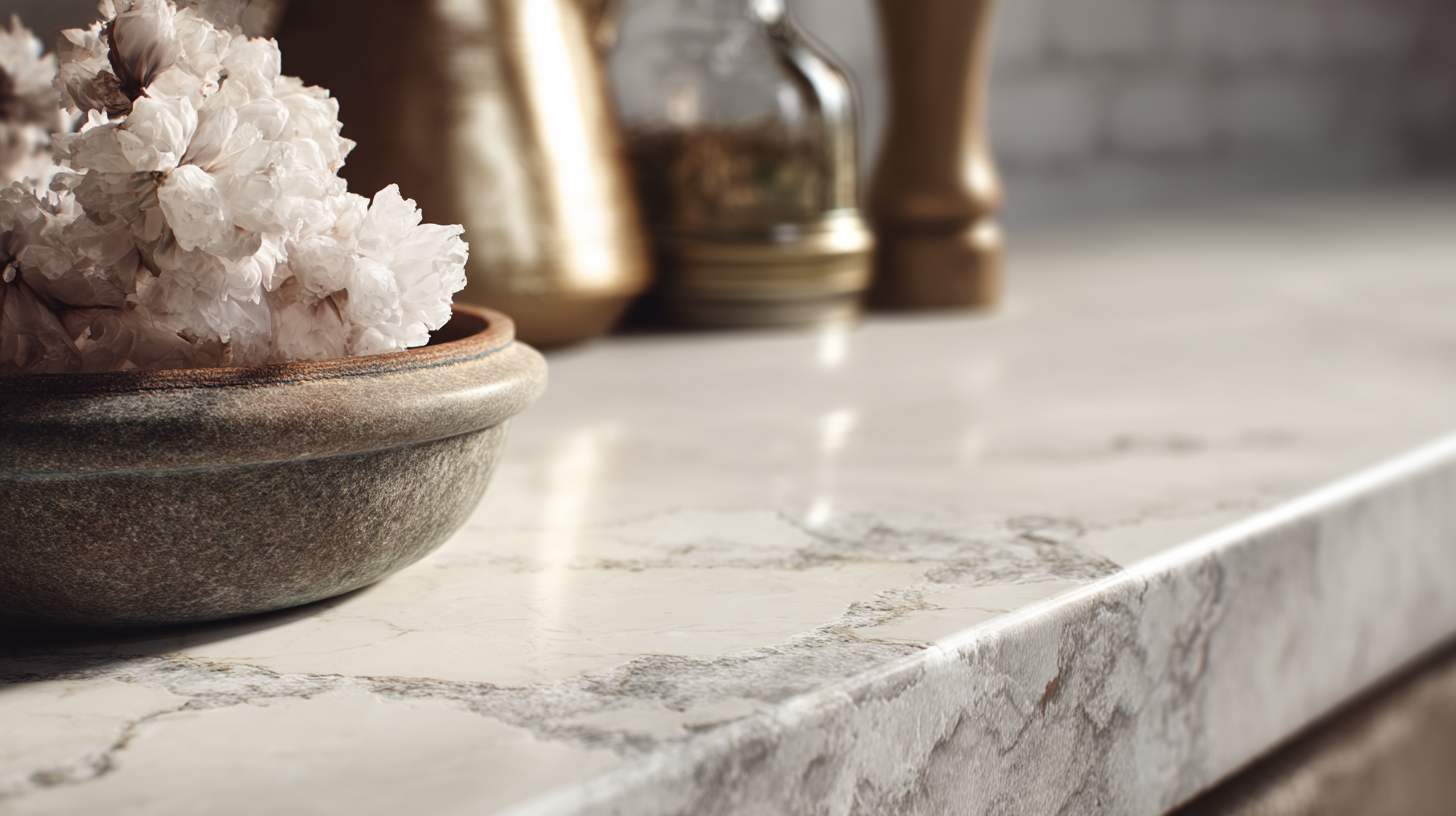
Because quartz slabs are factory engineered, they offer consistent patterns and a wide range of color options. Popular choices include marble-look quartz, solid tones, and soft neutral textures. This consistency is ideal for sleek, modern kitchens or minimalist spaces. Marble look quartz remains a top trend in 2025, especially for homeowners seeking elegance without the upkeep of real marble.
Granite: Natural Beauty and Unique Patterns
Granite delivers organic variation, natural movement, and bold veining. It appeals to those who prefer natural materials and one‑of‑a‑kind surfaces. Granite is unmatched in natural beauty and has a timeless quality, though some granite styles may come in and out of trend. If you want an authentic look that reflects nature’s artistry, granite offers something quartz can’t replicate.
Cost Comparison: Quartz Cost vs Granite Countertop Cost
Material and Installation Costs per Square Foot
Quartz cost generally ranges from $60 to $120 per square foot including installation. Granite countertop cost varies more widely, typically from $50 to $200 per square foot, depending on the stone’s rarity, origin, and installation requirements. Granite slabs with exotic colors or patterns tend to be more expensive, while standard options make granite a budget friendly choice.
Quartz and granite installation costs may vary depending on project complexity, number of cutouts, edge profiles, and support structure. Keep in mind that both countertop materials require professional installation for best results.
Long-Term Value and Resale Value
Both quartz and granite countertops increase the resale value of your home. Quartz is attractive to modern buyers looking for low maintenance and uniform style, while granite draws those who appreciate the timeless appeal and durability of natural materials. Ultimately, choosing between quartz and granite depends on your lifestyle, design goals, and budget.
Sustainability, Health Considerations, and Installation
Worker Safety and Manufacturing Process
Quartz fabrication involves cutting engineered stone slabs and may expose workers to fine silica dust if proper safety measures are not followed. Granite’s fabrication risks are slightly lower, but it still requires expert handling due to its weight and fragility. Regardless of the material, professional installation ensures quality results and reduces safety concerns.
Environmental and Health Factors
Granite is mined from quarries, which may have environmental impacts. Transporting heavy stone also adds to its carbon footprint. Quartz production is energy-intensive due to the manufacturing process, but many brands are incorporating recycled content and using low-VOC resins to reduce their environmental impact. Some granite can emit trace levels of natural radiation, but the levels are generally low and safe for indoor use.
Installation Considerations
Quartz slabs are more uniform and lighter than granite slabs, making them easier to install in some cases. Granite is heavier, more brittle, and more difficult to cut, requiring careful transport and support during installation. Choosing experienced fabricators and installers is crucial regardless of your chosen surface.
Frequently Asked Quartz vs. Granite Countertops Questions
What is the difference between quartz and granite countertops?
Quartz countertops are engineered stone with consistent patterns and a non porous surface. Granite countertops are natural stone with unique variation and require periodic sealing.
Which is more heat resistant?
Granite is more heat resistant and can handle hot pots or pans directly on the surface. Quartz is heat resistant but can be damaged by extreme temperatures, so protection is recommended.
What are typical granite countertop cost and quartz cost ranges?
Granite countertop cost ranges from approximately $50 to $200 per square foot. Quartz cost typically ranges from $60 to $120 per square foot, depending on the brand and design.
Which is more low maintenance?
Quartz is low maintenance due to its non porous surface. Granite requires periodic sealing and more care to prevent staining.
Do both quartz and granite countertops add resale value?
Yes. Quartz appeals to modern buyers seeking convenience, while granite offers natural charm that can also enhance resale value.
Is one safer to install or healthier in the kitchen?
Quartz fabrication carries silica dust risks without proper safety gear. Granite is generally safer during fabrication but needs to be sealed properly for hygiene. Professionally installed countertops of either type are safe for kitchen use.
Is quartz non porous?
Yes, quartz is a non porous surface and does not absorb liquids, making it resistant to stains and bacteria.
What makes granite slabs unique?
Granite slabs are naturally formed igneous rock. Each contains unique patterns, colors, and mineral flecks, giving your kitchen countertops a one-of-a-kind look.
Can granite countertops chip or crack?
Yes, granite can chip or crack if heavy items are dropped on it, especially near edges or seams. Proper installation and care can help prevent damage.
What is a budget friendly option between the two?
Standard granite slabs tend to be more budget friendly than high-end quartz designs. However, both materials offer a range of prices based on quality, color, and style.
Final Thoughts: Choosing Between Granite and Quartz Countertops
Quartz and granite are both highly durable kitchen countertop materials with distinct advantages. Quartz offers low maintenance, modern design consistency, and impressive durability. Granite brings natural beauty, heat resistance, and timeless character.
Both quartz and granite countertops are excellent long-term investments, enhancing the value and functionality of your kitchen. The right countertop material for you comes down to personal preferences, lifestyle needs, and how you use your kitchen daily.
How Kitchen Search Can Help You Get the Right Countertop
At Kitchen Search, we offer expert guidance on quartz vs granite countertops. We help you understand countertop materials, cost per square foot, maintenance requirements, and the latest design trends. Whether you’re drawn to engineered stone like quartz or the unmatched natural beauty of granite slabs, our team will guide you through the process with expert design support and professional installation.
Let us help you create the kitchen you’ve always wanted, with countertops that match your style, needs, and budget.