Why Understanding Standard Cabinet Sizes Matters
Whether you’re planning a full kitchen renovation or just evaluating existing cabinets, knowing standard kitchen cabinet dimensions makes all the difference, especially when designing for functionality and style. When selecting standard cabinet sizes, like base cabinets, wall cabinets, tall cabinets, or pantry cabinets, precision matters for layout planning, storage space optimization, and ensuring enough counter space for food preparation with room for small appliances and a conveniently placed kitchen sink.
Accurate standard dimensions save time, reduce costly misorders, and help you mix, match, or upgrade sections like utility cabinets or upper kitchen cabinets with confidence. In tight or narrow spaces, leveraging off-the-shelf standard base cabinet widths or standard cabinet widths ensures the greatest flexibility while minimizing waste. Taking accurate measurements also helps ensure proper placement of electrical outlets and alignment of cabinet fronts for a polished look.
Standard Base Cabinet Sizes
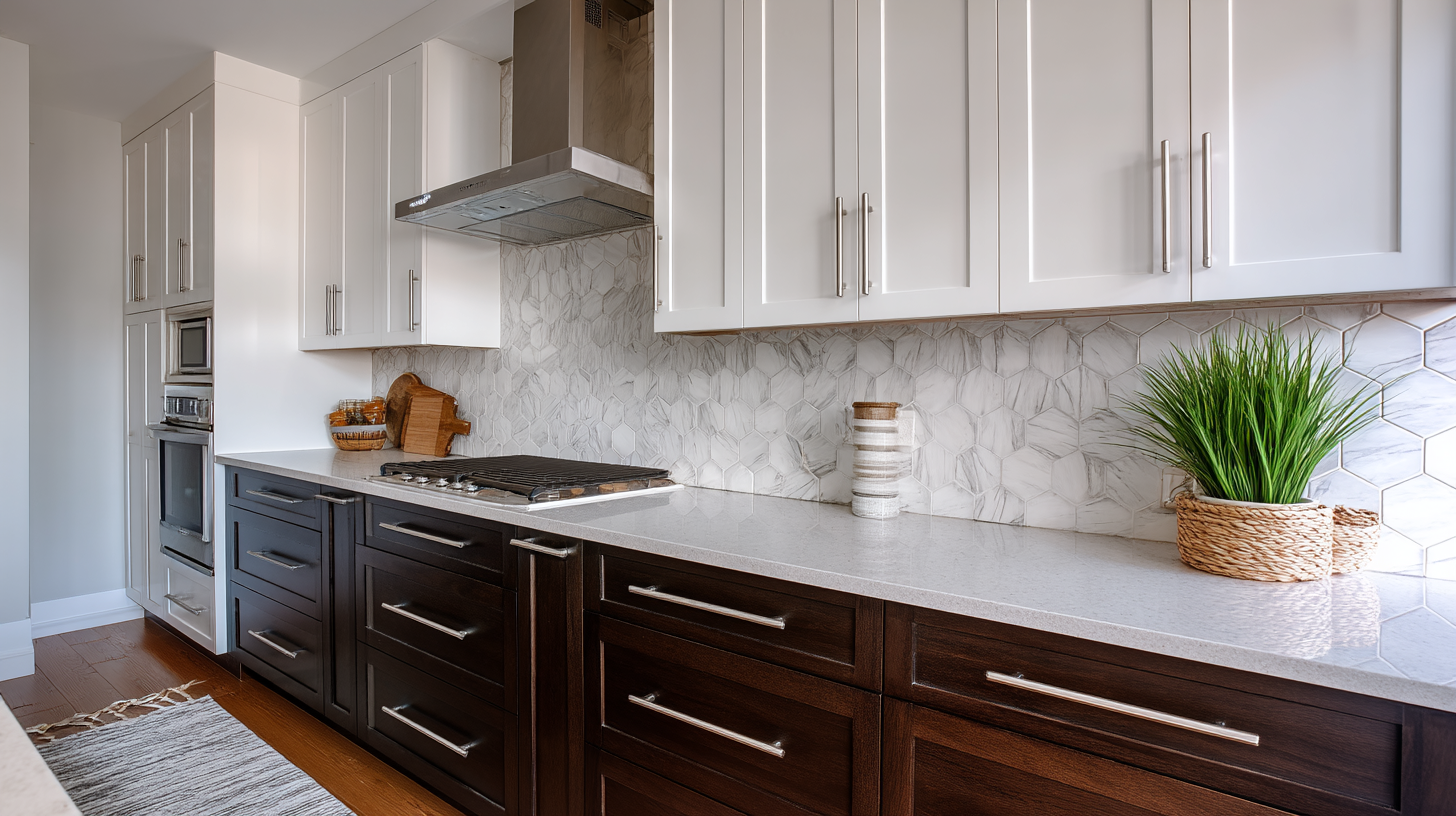 Standard base cabinet dimensions for kitchen base cabinet modules typically range from 12 inches up to 48 inches in width, in increments of 3 inches, with even special filler cabinets available in 6- or 9-inch widths for tight spots. The standard base cabinet depth is 24 inches front to back and the standard height is 34.5 inches without countertop, or approximately 36 inches with countertop included.
A typical base cabinet includes a 4.5-inch kick space at the bottom for toe room. If you’re outfitting a kitchen island, standard kitchen cabinet dimensions guide rules still apply, just adjust depth or width for workflow and access. Wider cabinets can be used where more storage is needed, but ensure there is enough room for comfortable movement and appliance clearances.
When Base Cabinet Sizes Make a Difference
- Corner cabinets, including blind corner cabinet or Lazy Susan units, maximize storage capacity in hard-to-reach areas and typically conform to base cabinet height and depth standards.
- Utility cabinets sized per standard dimensions are perfect for tall cleaning tools or built-in appliances.
- Matching standard depth ensures the front of the cabinet aligns with countertop edge and appliance openings, maintaining smooth cabinet fronts.
- Lower cabinets, including those under the kitchen sink, must be measured carefully to accommodate plumbing and provide enough room for storage and maintenance.
Standard Wall Cabinets and Upper Kitchen Cabinets
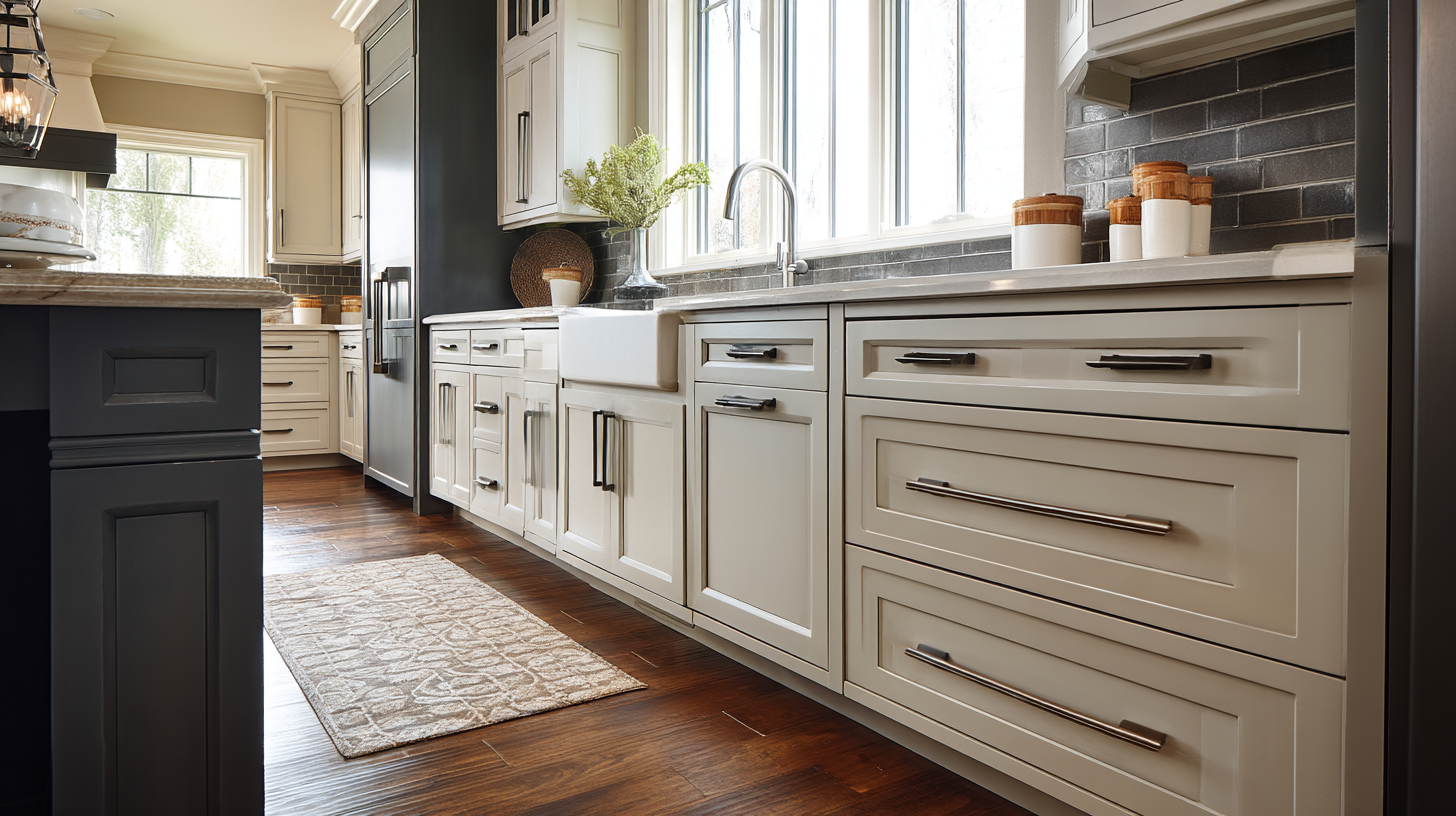 Common kitchen wall cabinets, also called upper cabinets or upper kitchen cabinets, are available in standard heights of 30 inches, 36 inches, or 42 inches. Heights align with ceiling height, 30 inches for 8-foot ceilings with soffits or open space, 36 inches for flat installations, and 42 inches to run up to 9-foot ceilings.
Depth for wall cabinets installed is usually 12 inches, though deeper 24-inch units are used above appliances like refrigerators. Kitchen wall cabinet dimensions for width range from 12 to 36 inches, again in 3-inch increments.
Standard clearance from countertop to bottom of wall cabinets is about 18 inches for easy access during food preparation and installing backsplash.
Design Considerations for Wall Cabinet Sizes
- Extending your wall cabinets to the ceiling improves storage space and aesthetics, especially when combined with crown molding, but it may make top shelves difficult to reach.
- Incorporating interior lighting or glass inserts in kitchen wall cabinets enhances visual appeal without changing standard dimensions.
- In narrow spaces, using shallower wall cabinets maintains open sightlines while still offering storage space.
- Plan electrical outlets placement carefully to ensure functionality without disrupting cabinet fronts or aesthetics.
Standard Tall Cabinets & Pantry Cabinets
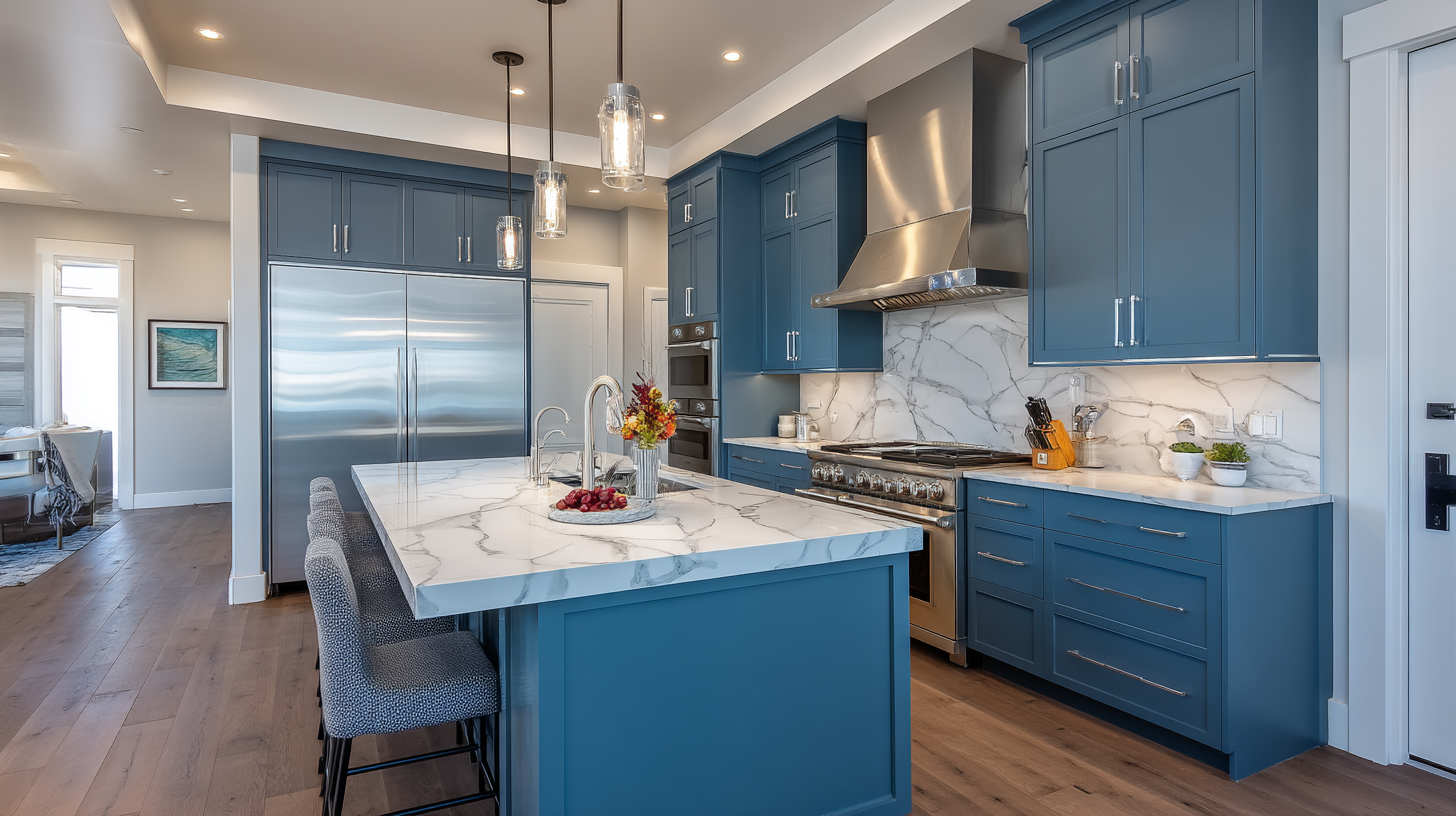 Standard tall cabinets, also known as pantry cabinets or kitchen tall cabinet dimensions, typically come in heights of 84, 90, or 96 inches. These cabinets extend storage vertically and match nicely with wall cabinet tops.
The standard depth for tall cabinets is 24 inches; some shallower 12-inch units serve as narrow pantry storage. Width options generally include 18, 24, 30, or 33 inches, depending on design.
Optimal Uses of Tall Cabinet Dimensions
- Match tall cabinet height to existing wall cabinets, for example, 84-inch tall cabinets pair with 30-inch wall cabinets.
- The added storage space of a full-height pantry cabinet is ideal for bulk items, small appliances, or cleaning supplies.
- In layouts with existing cabinets, tall cabinets become seamless extensions, preserving standard dimensions throughout the design.
Mixing Cabinet Types to Maximize Storage and Function
Adopting standard cabinet sizes allows for flexible mixing of base cabinets, upper cabinets, tall cabinets, and pantry cabinets. Using standard base cabinet widths and standard wall cabinet widths simplifies ordering, shipping, and installation.
- Use narrow fillers, such as 3-inch filler cabinets, to close gaps when your measurements fall just outside standard increments.
- Combine standard dimensions with semi custom cabinets to align with unique ceiling heights or fixture placements.
- Include a kitchen cabinet installation service to ensure accurate placement, proper clearance, and a durable build.
Layout Tips: Kitchen Space, Islands, and Workflow
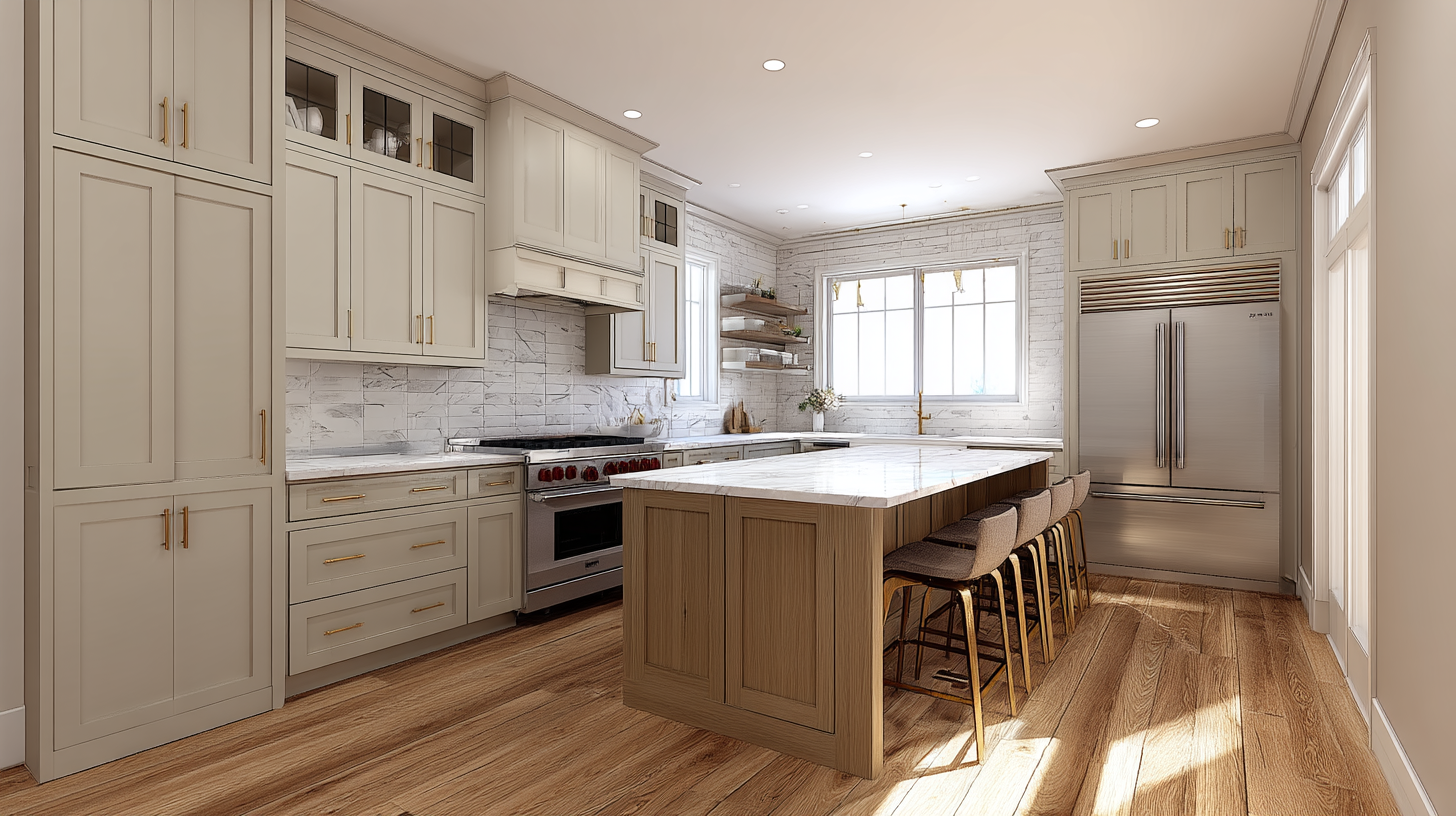 When incorporating standard cabinet sizing into your kitchen layout, remember classic guidelines to make the most of your kitchen space.
- Maintain a 15- to 18-inch gap between countertop and upper cabinets for ergonomic food preparation.
- Provide at least 42 inches between cabinet runs or between a kitchen island and cabinets for smooth traffic and appliance clearance.
- Plan counter space next to the kitchen sink and stove for prep zones; standard space recommendations improve workflow and align with kitchen work triangle design.
- If adding a kitchen island, ensure matching cabinet depth and width that keep aisles clear and utility zones accessible.
- Consider adjacent dining room access and flow when planning cabinet placement and widths, especially with wider cabinets that may affect traffic.
Cabinet Style Elements That Enhance Standard Layouts
Even while using standard kitchen cabinet sizes, you can elevate appearance and usability:
- Add crown molding atop wall cabinets to fill ceiling gaps and add elegance.
- Install pull-out shelves inside base or tall cabinets for easy access and improved storage capacity.
- Use glass inserts or interior lighting in upper or wall cabinets for decorative display without altering core dimensions.
- Incorporate deep cabinets or drawers in base units to accommodate large cookware in a standard-sized framework.
Standard Cabinet Dimensions at a Glance
| Cabinet Type | Height | Depth | Width Options |
|---|---|---|---|
| Base Cabinets | 34.5″ (36″ with countertop) | 24″ | 9″, 12″, 15″, 18″, 21″, 24″, 30″, 33″, 36″, 42″, 48″ |
| Wall / Upper Cabinets | 30″, 36″, 42″ | 12″ (some 24″) | 12″–36″ (in 3″ increments) |
| Tall / Pantry Cabinets | 84″, 90″, 96″ | 24″ (some 12″) | 18″, 24″, 30″, 33″ |
Frequently Asked Standard Cabinet Sizes Questions
What are the most popular standard cabinet sizes?
Base cabinets are commonly 24″ deep and 34.5″ tall (36″ with countertop). Wall cabinets often come in 30″ or 36″ height and 12″ depth. Tall cabinets usually range from 84″ to 96″ tall.
Can I install standard wall cabinets over existing cabinets?
Yes, you can mount wall cabinets above existing base cabinets using standard heights and clearances. Just verify ceiling height and use filler cabinets or crown molding to address any gaps.
What if my kitchen has narrow spaces?
Standard widths in smaller increments, like 12″, 15″, or narrower, help fit tight corners. Use narrow utility cabinets or pantry cabinets for efficient storage in compact areas.
Should I choose semi-custom or stick with standard kitchen cabinet sizes?
Standard sizes lower costs and simplify installation, while semi custom cabinets offer dimension flexibility where ceiling height or layout demands it. For most projects, standard cabinet dimensions work beautifully with smart design tweaks.
Final Thoughts: Designing with Confidence
By planning around standard kitchen cabinet sizes, base, wall, upper, tall, and pantry, you streamline your remodel, keep projects on schedule, and minimize waste. Using tried-and-true standard cabinet widths, depths, and heights lets you focus creative energy on finishes, workflow, and storage essentials like interior lighting, pull-outs, or decorative touches.
When you’re ready to bring your renovation from blueprint to reality, our team is here to help, from kitchen cabinet installation to layout optimization and custom styling. Let’s create a kitchen that’s smart, beautiful, and built to last.