
Tile Countertop Ideas for a Stylish & Functional Kitchen (2025 Edition)
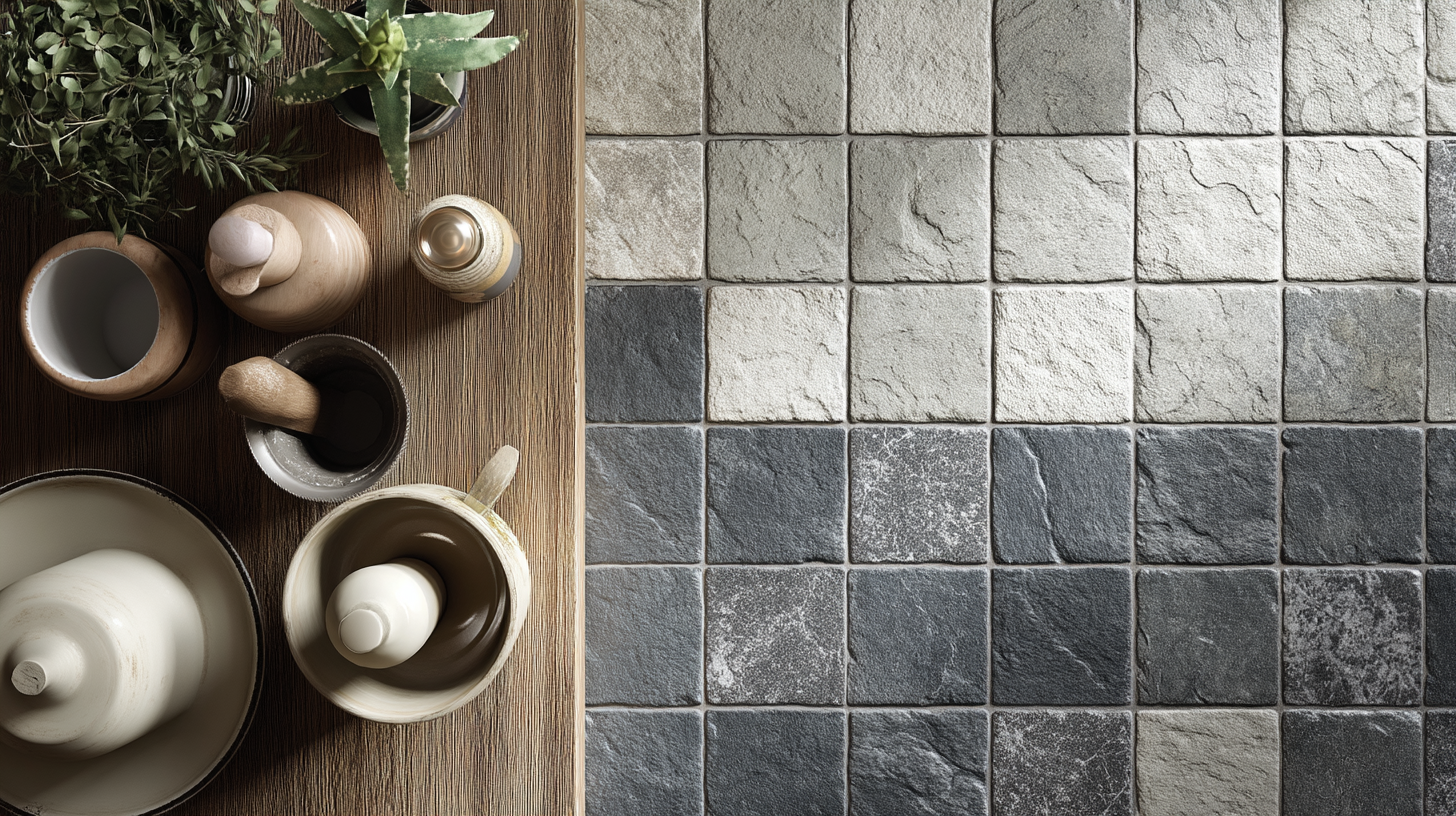 Tile countertop ideas are having a strong resurgence in kitchen design in 2025, and when done right, tile countertops can combine beauty, durability, and custom flair in your kitchen space. In this post we’ll explore materials like porcelain tiles, ceramic tiles, natural stone tiles, and glossy glass tiles, dig into layout strategies, and show you how to turn tile into a striking focal point in modern kitchen or more classic spaces. We’ll also cover maintenance, design tips, and how tile countertops compare with other materials. If you want to transform your kitchen space with unique textures and timeless charm, keep reading.
In our work with homeowners, Kitchen Search sees time and again how countertop design with tile can bring depth, visual interest, and personality to kitchens of all sizes. Whether your goal is clean lines and understated elegance, or a bold modern twist, tile gives you options to make your kitchen space both functional and beautiful.
Why Choose Tile Countertops in 2025
When people think of kitchen countertops, they often imagine slab materials like quartz or granite, but tile is an excellent option that is making a comeback in modern kitchen design. Through advances in porcelain and ceramic production, tile now competes in durability, aesthetics, and flexibility of style. Using the right tile palette and installation method, you can use tile countertops to become a striking focal point for your kitchen.
Some reasons to consider tile countertops:
- You can choose tiles in various sizes, textures, and materials, letting you match your overall kitchen design style.
- Porcelain tiles and glazed ceramics provide a stain resistant surface when properly sealed, helping you avoid harsh chemicals in cleaning.
- Tile adds texture and visual interest in a way that large slabs sometimes cannot, especially with mosaic accents, mixed shapes, or tile patterns.
- Because you can replace individual tiles, minor damage can be addressed without replacing whole slabs.
- Tile gives you the chance to mix materials: tile plus wood, metal, or stone in the same countertop design to bring depth.
Of course, there are trade‑offs. Tile surfaces come with grout lines that require extra care and maintenance. In busy kitchens, grout can be the weak link. But with epoxy grout, good sealing, and smart tile layout, many of those drawbacks can be minimized.
Pros and Cons of Tile Countertops
Advantages of Tile Countertops
Durability
High-quality porcelain tiles are very durable, scratch-resistant, and can handle the daily wear and tear of kitchen life.
Heat Tolerance
You can often place hot pans on tile more safely than many other surfaces, since many tile materials are resistant to heat.
Design Versatility
There are many tiles in countless patterns, shapes, and colors. You can use neutral tones, bold colors, black tiles, white cabinets contrast, glossy finishes, or textured surfaces.
Cost Effectiveness and Repairability
If one tile cracks or chips, you can replace just that tile rather than an entire slab. This makes tile a practical option for many homeowners.
Challenges of Tile Countertops
Grout Maintenance
Grout lines are always going to be there, even with large-format tiles. Grout can stain, require sealing, and need consistent care to maintain appearance and hygiene.
Uneven Surface
Because of the joints between tiles, the surface is rarely as seamless as slab materials. That can interfere with rolling dough or sliding pans.
Perception and Resale
In some kitchen styles or markets, buyers expect stone or quartz countertops over tile. If the tile is not executed well, it might not deliver the perceived value.
Possible Chips or Cracks
Tiles, especially ceramic or thinner ones, can chip under impact. You’ll want a strong substrate and good installation to reduce risk.
When you balance these pros and cons and plan carefully, selecting the right tiles, managing grout lines, and choosing smart layouts, you can enjoy all the benefits of tile without the drawbacks.
Trending Materials: Porcelain Tiles, Ceramic Tiles, Natural Stone Tiles & Glossy Glass Tiles
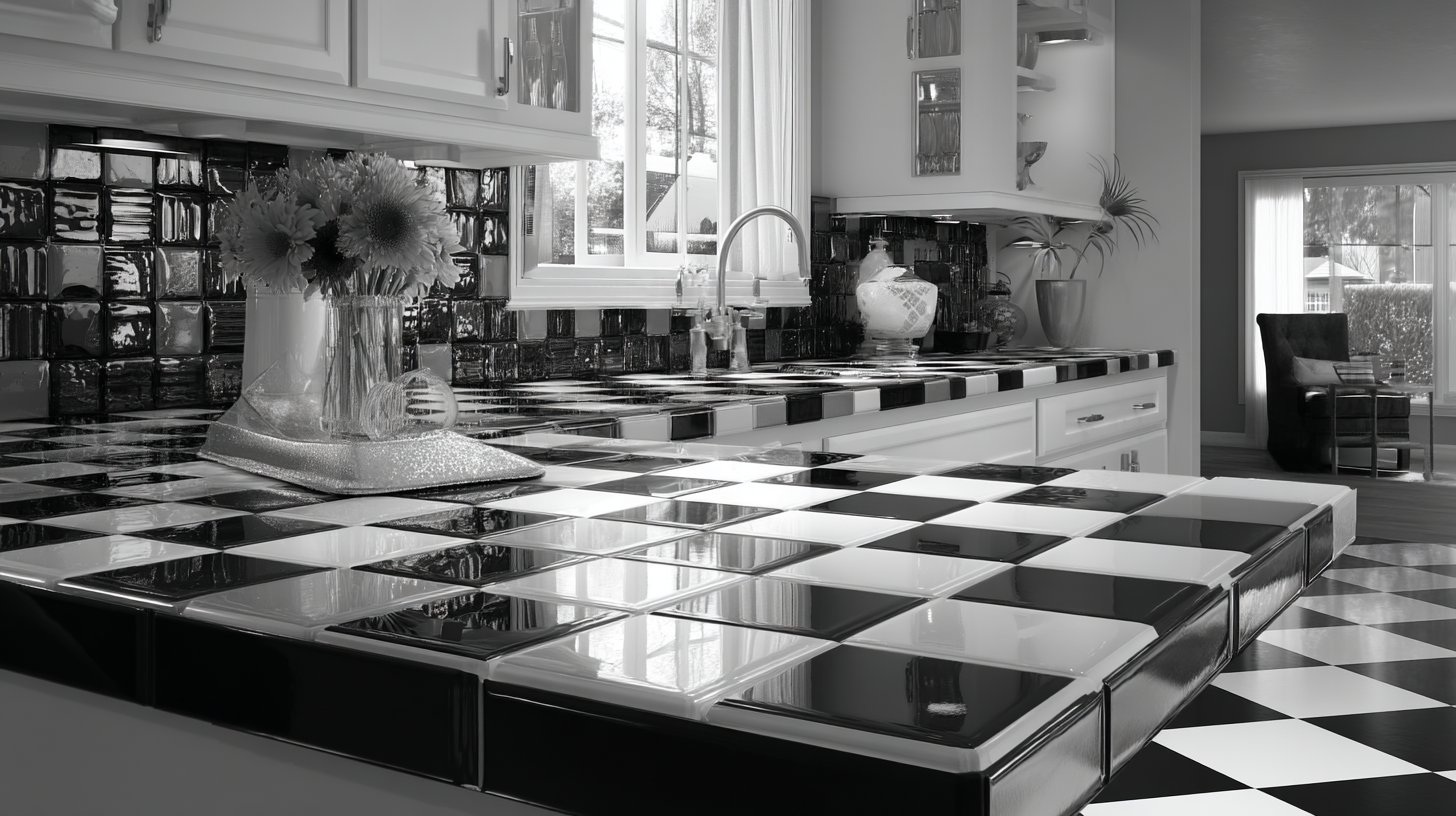 To create standout kitchen countertops, it’s vital to understand the material types and their strengths.
Porcelain Tiles
Porcelain is perhaps the most attractive option for modern tile countertop ideas. It’s dense, non-porous, and strong. With large-format porcelain tiles, you get fewer grout lines and a more seamless, sleek appearance. You can mimic marble, concrete, or natural stone using advanced printing techniques. In many designs, porcelain delivers that reflective surface or glossy look without the downsides of delicate stone. Because of its durability and water resistance, porcelain is one of the best choices when you want a modern kitchen with style and practicality.
Ceramic Tiles
Ceramic tiles remain a classic. They offer versatility, affordability, and a wide variety of glazes and colors. Ceramic is somewhat softer than porcelain, so in high‑use zones you’ll want thicker tile, and grout and sealing become even more important. For accent zones, backsplashes, or less intensively used areas, ceramic works beautifully. Ceramic tiles can bring a vintage appeal when paired with the right textures or patterns.
Natural Stone Tiles
Natural stone tiles, marble, slate, granite, bring real natural beauty and texture into the design. Marble tile offers elegant veining, slate gives rustic charm, and granite offers durability. Because natural stone is porous, it requires sealing to prevent stains and wear. Natural stone tiles can be more expensive and require greater care, but they deliver a sense of timeless charm that few materials can replicate.
Glossy Glass Tiles
Glossy glass tiles are less common in countertop use than for backsplashes, but used wisely they can become a reflective surface accent or focal strip in tile countertops. They are sleek, modern, and catch light beautifully, making them an interesting contrast to matte porcelain or stone tiles. Because glass is more fragile, they’re better in zones with less impact or blended with stronger materials around them.
8 Tile Countertop Ideas That Elevate Style and Function
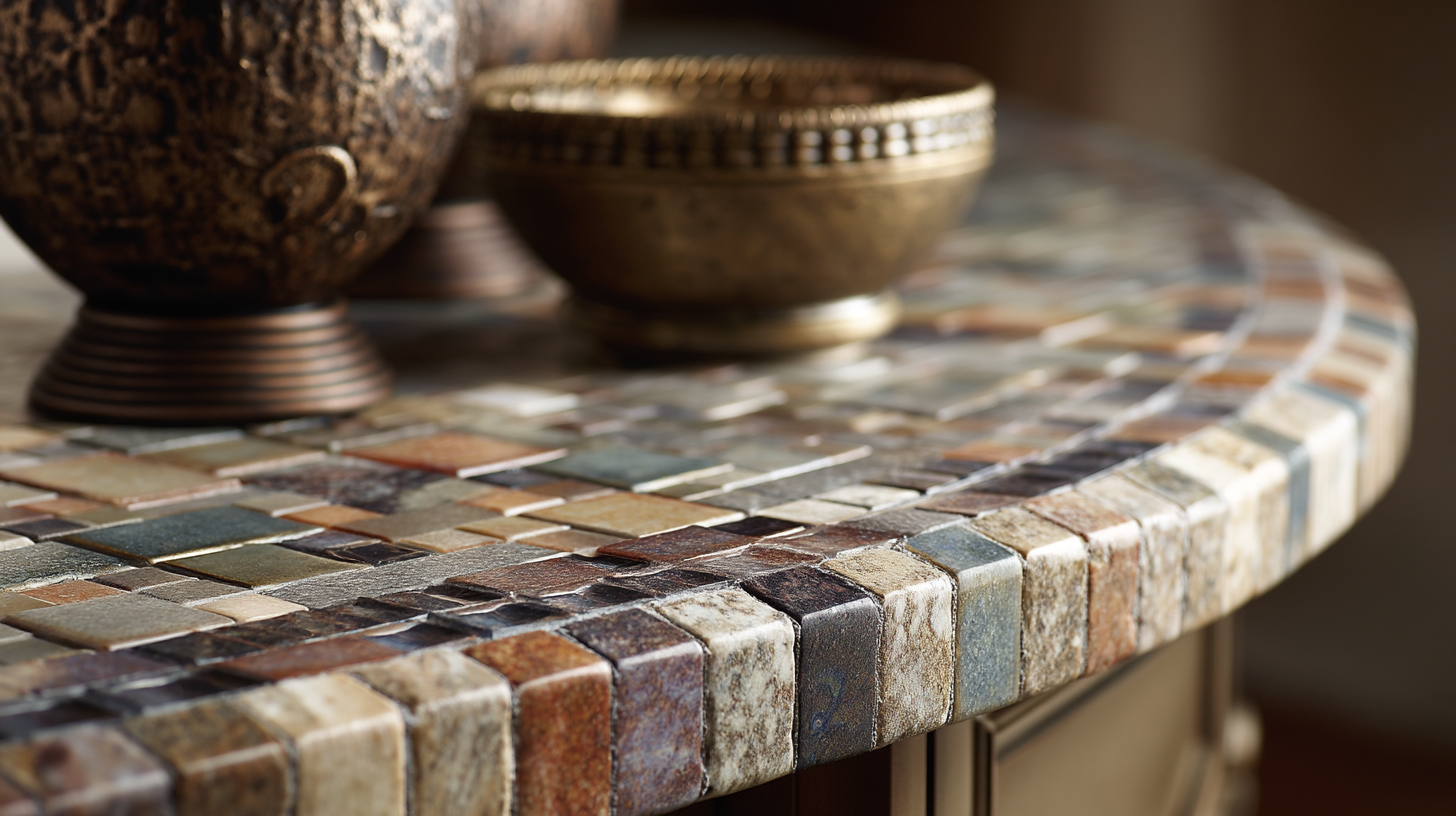 Here are eight rich design directions to explore in your own kitchen. The trick is balancing aesthetics with functionality in your countertop design.
1. Large-Format Porcelain Slabs with Minimal Grout Lines
Using oversized porcelain tiles (say, 24×24 or larger) means fewer grout lines across the surface. That reduces the amount of maintenance and helps the tile feel more like a continuous slab. This strategy gives a clean, modern look while still allowing for decorative interplay on the edges or backsplashes.
2. Earthy Ceramic Tile with White Cabinets and Warm Accents
Combine neutral tones in ceramic tiles, such as soft clay, muted greens, or terracotta, with white cabinets and natural wood accents. The contrast between warm tile and crisp white cabinetry creates a balanced look that feels organic yet bright. This style can translate into understated elegance or a modern twist depending on the surrounding finishes.
3. Terrazzo‑Inspired or Hybrid Tiles for Vintage Appeal with a Modern Twist
Tiles with embedded chips of marble, glass, or quartz give a terrazzo effect that mixes retro charm with contemporary materials. Use them for focal zones like an island countertop or a sink wall. It becomes a striking focal point while retaining durability. The variations in pattern also help mask stains and wear.
4. Wrap‑Up Backsplash Continuity (Countertop to Splash)
Carry the same tile from your countertop up the wall to create a wrap‑up effect that unifies the counter and backsplash. This continuity visually expands the space and eliminates abrupt transitions. With porcelain or natural stone tiles, this look can feel seamless and elevate the overall kitchen design.
5. Mosaic Insets Behind the Sink or Range
Insert a mosaic tile set (ceramic, porcelain, or glass) behind a focal zone, such as the sink or range zone, within a larger field of simpler tiles. This creates a focal point that draws the eye. Use complementary but contrasting color or texture to ensure it’s visible but harmonious.
6. Contrasting Grout Lines with Neutral Field Tiles
Pick neutral tiles, say soft grays or off‑whites, and pair them with darker grout or even black grout. This technique underscores the geometry of tile and emphasizes clean lines. In a modern kitchen, this contrast adds visual structure without being overly loud.
7. Textured or Relief Tiles for Depth
Tiles with ridges, flutes, or embossed patterns bring dimension and play of light to your counter surfaces. In a neutral palette, these unique textures allow subtle drama without overwhelming the room. They pair beautifully with stainless steel appliances and minimalist cabinetry.
8. Mixed Materials: Tile + Stone + Wood
In larger kitchens you can use tile in one zone, for example on the island, and use stone or butcher block on perimeter counters. This gives you the best of both worlds: the functionality and durability of stone or wood for high‑use zones, and the creative freedom of tile for the rest. The shift becomes a design feature, not a compromise.
Design Tips to Choose the Right Tiles and Avoid Pitfalls
To make tile countertops successful, follow these key guidelines:
Tile Size Matters: Fewer Grout Lines
Use porcelain tiles or large ceramic formats to reduce grout lines. Smaller tiles create more seams and more maintenance. When layout allows, prefer 12×24, 24×24 or even slab tile formats to reduce seams.
Use High-Performance, Sealed, or Epoxy Grout
Grout is the weak point in tile countertops. Use epoxy or specially rated grout that resists stains and moisture. Seal grout annually and clean with pH‑neutral cleaners, avoid harsh chemicals that wear the seal over time.
Plan Your Edge Treatments
Plain tile edges look incomplete. Use bullnose tiles, mitered corners, custom-cut tile borders, or metal trim to finish edges elegantly. In wrap‑up designs, tile the edges as part of the same run to maintain continuity.
Create Efficient Layouts to Minimize Cuts
Plan tile layouts in advance to avoid small fragments near your sink or edges. Aim to have full tile runs under appliances. Pre‑map your layout with your installer so that you minimize waste and awkward seams.
Balance Design and Maintenance
If your kitchen is especially busy, favor simpler designs with fewer grout lines, neutral tones, and less texture. In calmer kitchens, you can afford more bold colors, patterns, and focal insets. Always check how easy it will be to clean the surfaces you choose.
Match Tile With Surrounding Kitchen Styles
Coordinate tile color and finish with your cabinetry, flooring, lighting, and stainless steel appliances. Black tiles may work well with white cabinets and stainless accents for modern contrast. If your floors or walls already have strong texture or pattern, balance your countertop tile accordingly.
Maintaining Tile Countertops: Keeping Beauty & Durability Over Time
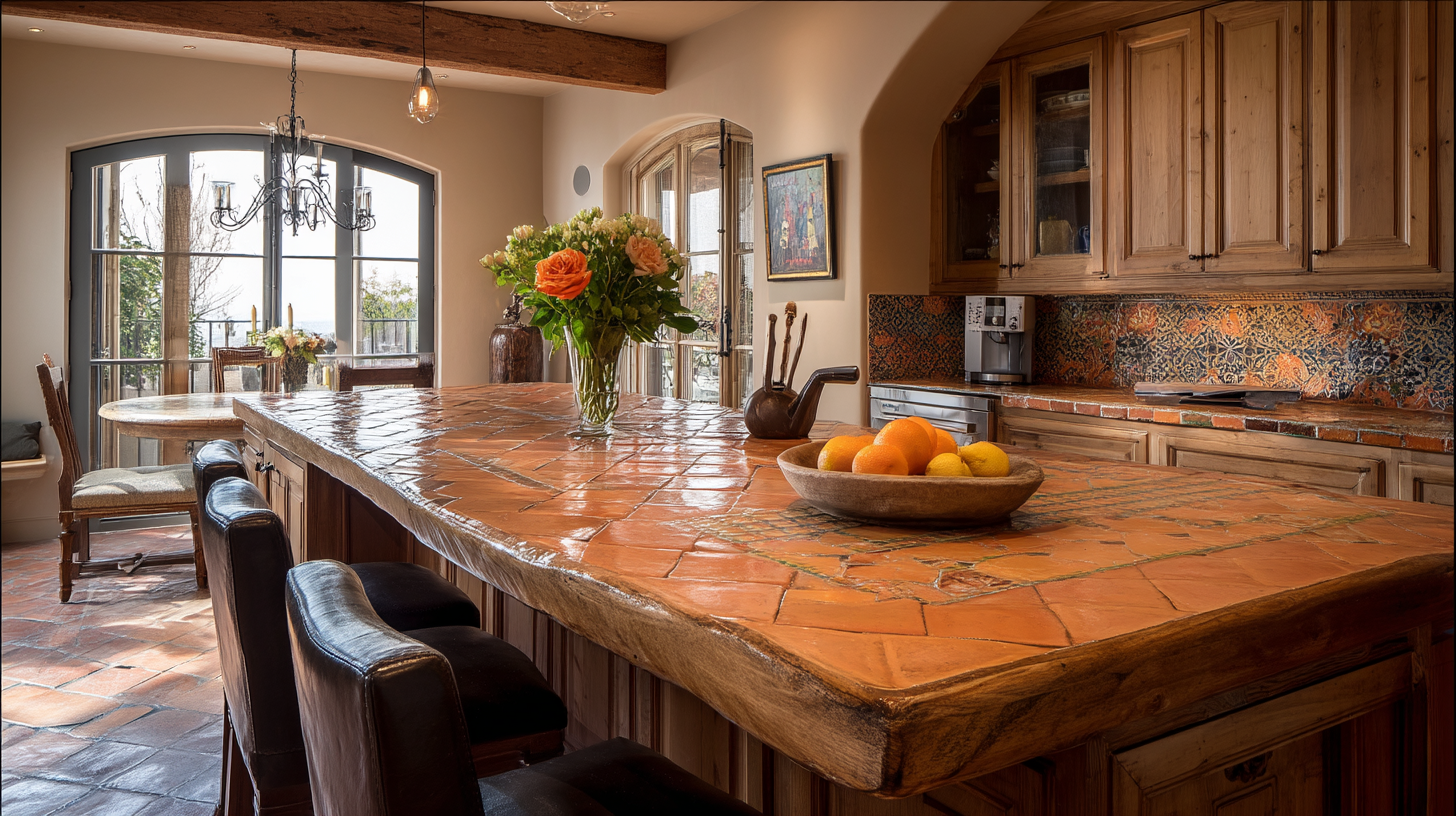 Even great tile installations require ongoing care. Here’s what you should do to maintain your investment:
- Clean daily with mild, pH-neutral soap or tile cleaner.
- Wipe up spills quickly to prevent stains in grout lines.
- Re-seal grout yearly or as recommended by your installer.
- Avoid harsh chemicals and abrasive pads; they wear the seal and can damage tile or grout.
- Inspect grout annually and repair small cracks early.
- Use cutting boards and avoid dragging heavy pans across joints to prevent chip damage.
With consistent care, a tile countertop can look beautiful and last decades.
Frequently Asked Questions About Tile Countertops
Are tile countertops outdated?
Not at all. With modern materials and better installation techniques, tile countertops are enjoying renewed popularity in 2025, blending style and function in fresh new ways.
What is the best tile for a kitchen countertop?
Porcelain tiles rank among the best for strength, low porosity, and design flexibility. Natural stone tiles and ceramic tiles have strengths too, but porcelain often offers the most balanced performance.
How do I maintain a tile countertop?
Use a mild cleaner, wipe spills quickly, seal your grout regularly, and avoid harsh chemicals. Regular inspection and grout care will go a long way in preserving the finish.
Can I install tile countertops over existing counters?
Sometimes, yes. The substrate must be solid, level, and able to support tile. Consult a professional to determine feasibility in your specific kitchen space.
How much do tile countertops cost?
Costs vary depending on material, tile size, layout complexity, and labor. Generally tile countertops fall between $10 and $40 per square foot, but high-end or custom tile work can push costs higher.
Is Tile Countertop Design Right for Your Kitchen?
If your goal is to create a kitchen with character, texture, and personality, tile countertop ideas can help you achieve that. Whether your style leans toward modern kitchen minimalism or you prefer a more traditional or vintage appeal, tile gives you flexibility. It can balance or contrast with your flooring, backsplash, cabinetry, and hardware.
At Kitchen Search, we help homeowners design kitchen countertops that reflect their vision and function. From selecting porcelain or natural stone tiles to planning edge treatments and grout strategies, we guide every step. We’ll help you avoid the common pitfalls and ensure your tile countertop becomes a lasting focal point, not a maintenance headache.
Ready to explore your tile countertop possibilities? Let’s talk about your kitchen space, your style, and how to turn tile into a timeless, functional surface. Contact us today to schedule a free consultation or visit our gallery to see real projects in action.