AI Overview: Deciding whether bathroom cabinets should match kitchen cabinets involves considering design cohesion, functional needs, and personal style. Matching cabinets can enhance visual harmony and potentially add to home resale value, but the decision ultimately depends on individual homeowner preferences and the specific design goals for their home. This guide explores the pros and cons of matching cabinets, current trends, and expert advice to help you make the best choice for your home.
The Ultimate Guide: Should Bathroom Cabinets Match Kitchen Cabinets?
Introduction to Cabinet Matching in Home Design
Significance of Cabinet Matching
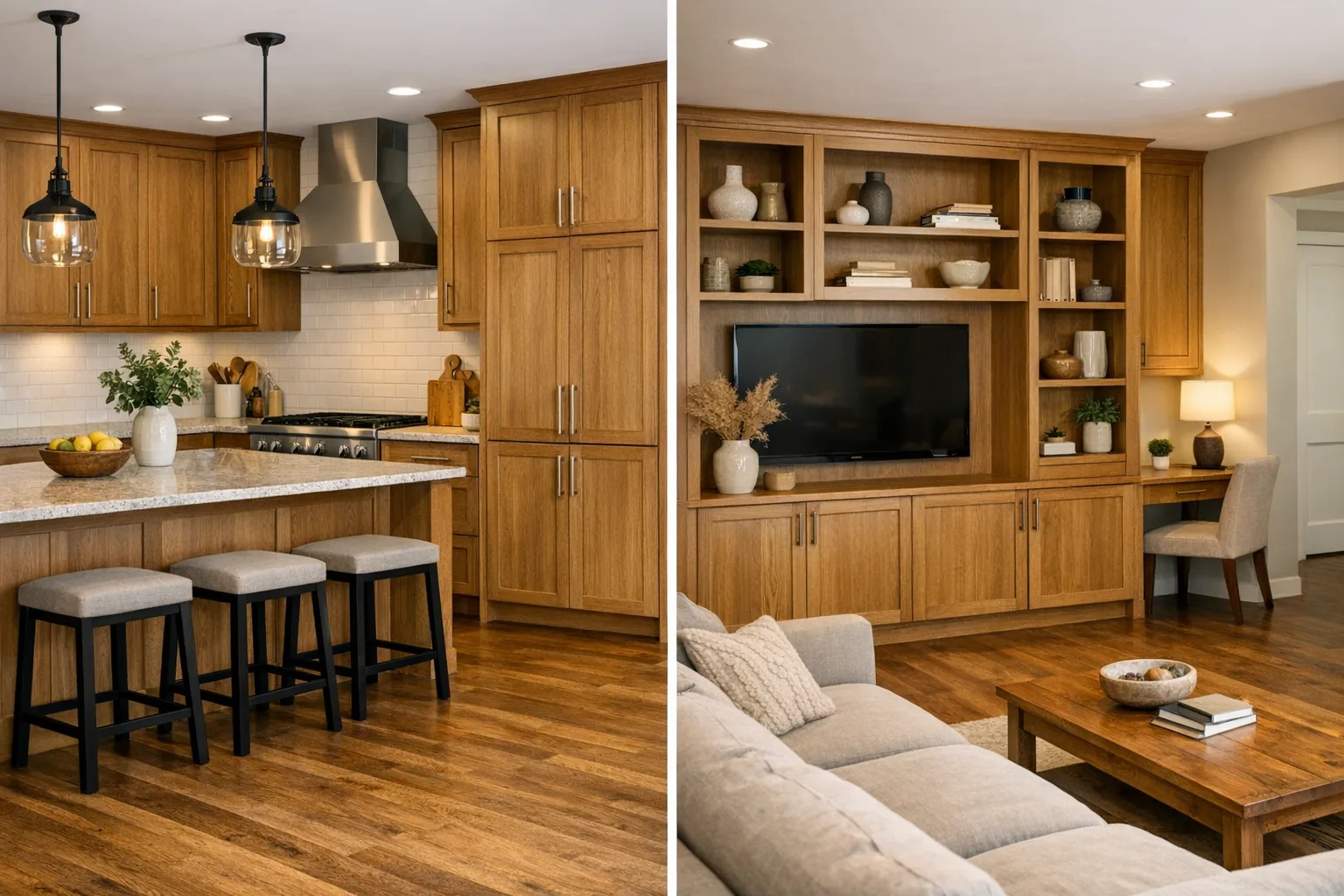
When embarking on a home design or renovation project, one of the fundamental decisions is how to create a cohesive aesthetic throughout the various spaces. One common area of debate is whether bathroom cabinets should match kitchen cabinets. This decision significantly impacts the overall feel of a home. Matching cabinets can create a sense of unity and visual consistency, contributing to a seamless transition between rooms.
The choice to match bathroom and kitchen cabinets isn’t merely aesthetic—it speaks to a broader narrative within home design. Uniformity offers easy transitions between different areas of the house, promoting a cohesive look. However, this must be balanced with the need for each space to function optimally for its intended purpose. For instance, while matching cabinetry provides harmony, it’s crucial to consider how specific cabinets in each room will complement the overall design motif and fulfill their unique role within the home environment.
Current Trends in 2026
As of 2026, home design trends are steering towards a more eclectic mix, incorporating diverse styles while maintaining a harmonious overall design. This doesn’t mean that matching cabinetry is out of style, but there’s a growing acceptance of personal expression and creativity within home design.
Today’s trend incorporates mixing materials and different finishes. For example, using dark kitchen cabinets with lighter tones in the bathroom, or integrating painted cabinets in unique colors such as sage or deep blue, can provide both contrast and cohesion. The trend recognizes the individuality of separate spaces while maintaining a cohesive design motif. In open concept layouts, ensuring that the kitchen’s bold elements do not overshadow the delicate touch in a powder room is a prime example of how to balance aesthetics across spaces.
Aesthetic Considerations for Matching Cabinets
Understanding Design Cohesion
Design cohesion is essential in ensuring that the home design elements complement one another. It creates a fluid narrative throughout the home, where each room feels connected yet distinct. When bathroom cabinets match kitchen cabinetry, it can simplify the design process, as repeating materials, similar hardware, and color schemes can be employed across spaces.
Cohesion isn’t solely about uniformity; it’s about a shared design motif that ties rooms together. This could be achieved through similar hardware or complementary colors rather than identical tones. Incorporating these elements provides visual links between the kitchen and bathroom without rendering them indistinct. Adding subtle yet unique features like open shelving in the kitchen while incorporating glass storage units in the bathroom can create cohesion while celebrating each room’s unique purpose.
Impact on Home Aesthetics
The impact of matching cabinets spread beyond the visual appeal; it influences how spaces are perceived in terms of harmony and balance. How kitchen and bathroom cabinets relate can affect a property’s perceived size and flow. When executed well, repeating color schemes can enhance light circulation and space perception, vital in smaller homes or areas with limited natural light.
However, homeowners should be cautious not to overdo a uniform look, which may lead to a monotonous aesthetic. Balancing bold combinations in smaller powder rooms could provide interest without overwhelming design consistency elsewhere. It’s about finding that sweet spot that marries uniqueness with order. Consider using reflective materials in smaller bathrooms to match the expansive feel of an open-concept kitchen, creating an illusion of space and enabling visual harmony in two spaces.
Role of Personal Style
While trends can guide, personal style should ultimately dictate design choices. Homeowners should feel free to express their style preferences, whether that involves matching cabinets exactly, or using them as complementary pieces. Allowing your personality to shine through can ensure that both the kitchen and bathroom not only function well but also resonate well with you as a homeowner.
Integrating personal style doesn’t mean ignoring trends; instead, it challenges individuals to adapt popular styles to fit their unique spaces. For some, this means embracing a bold, cohesive look; for others, it’s a more subtle integration of themes that resonate personally. Perhaps inspiration from a favorite travel destination could influence the selection of tiles or painted cabinet colors, ensuring that personal milestones are reflected within your home design.
Functional Aspects of Cabinets in Kitchens and Bathrooms
Functional Needs of Each Space
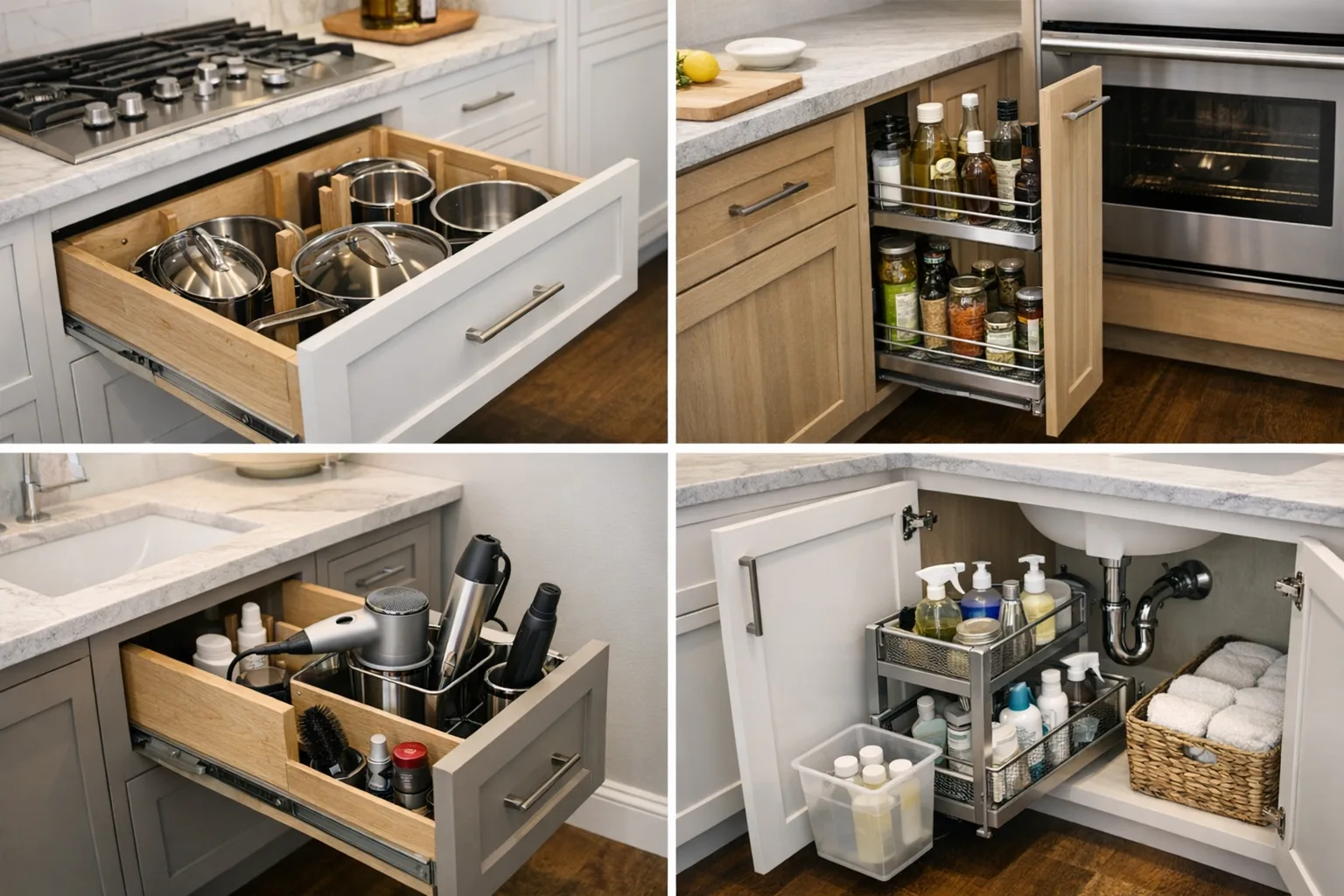
The functions of a kitchen differ from those of a bathroom, which significantly influences cabinet design. Kitchens typically require substantial storage space for cookware, food, and appliances, demanding sturdy, spacious custom cabinets. In contrast, bathrooms typically prioritize moisture resistance, due to the high humidity levels.
Thus, bathroom cabinets often have moisture resistant finishes to prolong durability, while kitchen cabinets might focus more on accessibility and organization. This differentiation is crucial in cabinet selection to ensure that each space functions optimally. For instance, hidden cabinetry to store bulky pots and pans enhances kitchen functionality without compromising style, compared to bathroom vanities which focus more on aesthetic harmony and countertop space for personal accessories.
Customizing for Space Optimization
Optimizing space in both kitchens and bathrooms is a primary consideration. Space optimization strategies include customizing cabinet dimensions, incorporating innovative storage solutions, and choosing appropriate materials and colors. For example, smaller powder rooms might benefit from lighter colors, making them appear larger.
Considering the specific functional needs of each space helps in selecting cabinetry that not only meets aesthetic standards but also serves to enhance everyday use. For more straightforward tasks, semi-custom options provide a middle ground between full customization and stock cabinetry, allowing personalization without the cost of custom builds. In compact urban homes, maximizing every inch of available space through multi-functional cabinetry is crucial for utility.
Quick Tip: Choose cabinetry that offers versatility in storage, and use cost-benefit strategies to stay on budget while maximizing utility and style.
Technical Deep Dive: Material and Color Choices
Popular Materials for Cabinetry
The choice of materials significantly impacts the longevity and style of your cabinets. In 2026, sustainable materials like bamboo and reclaimed wood are trending due to increasing environmental awareness. However, traditional materials like solid wood, laminate, and MDF remain popular for their durability and finish options.
Material choice is often dictated by budget, desired aesthetics, and maintenance requirements. Solid wood, although costlier, offers timeless appeal and can be refurbished, while MDF provides an affordable alternative with ample design possibilities, albeit with moisture resistant needs in bathrooms. Exploring regional material availability can also be a part of sustainable and budget-friendly choices, ensuring a match with the local architectural ambiance while allowing for unique, customized approaches.
Color Schemes and Trends
Color choice plays a pivotal role in creating cohesion and defining the style of a house. As of 2026, color trends in cabinetry lean towards rich earth tones, deep blues, and natural greens, tapping into the desire for spaces that feel calming and grounded. Painted cabinets offer flexibility in achieving these looks, often at a lower cost than replacing with new.
Pros and Cons of Matching Cabinets
Advantages of a Uniform Look
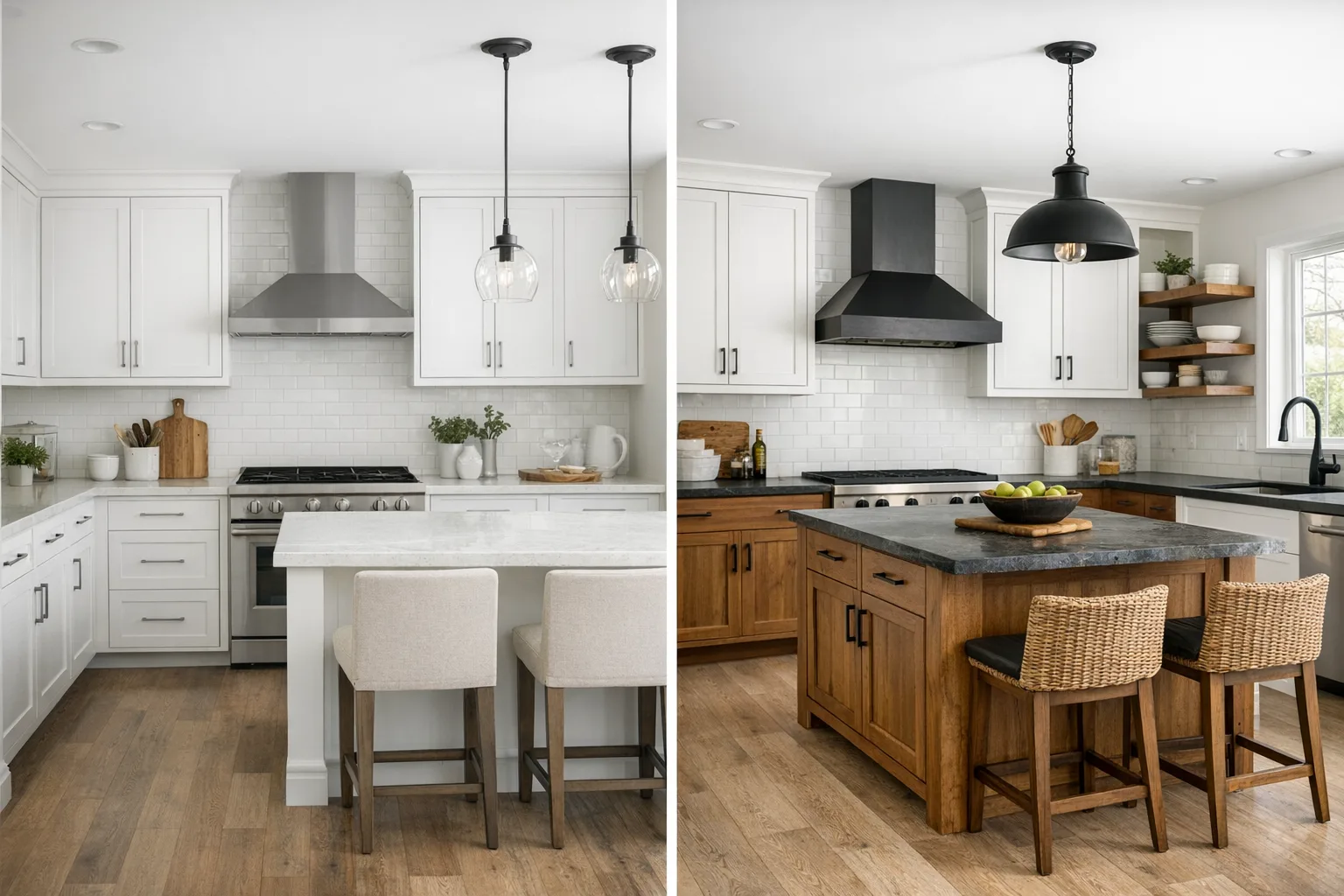
Arguably the most compelling argument for matching bathroom and kitchen cabinets is the simplicity and elegance of a uniform look. This consistency maximizes visual harmony and can make design decisions more straightforward across the home, reinforcing cohesion.
From a real estate perspective, potential buyers often perceive uniformity across homes positively. It signifies careful planning and attention to detail, offering a cohesive environment that feels polished and welcoming. In properties that employ open concept layouts, matching cabinetry across spaces can amplify the perception of space and ease transitions between living areas, ensuring a consistent visual flow throughout the home.
Potential Drawbacks
Conversely, too much uniformity can lead to a lack of visual interest and distinction between spaces. This can be particularly challenging in open concept layouts, where the differentiation between spaces is crucial. A balance is paramount to avoid monotony and enrich the home’s aesthetic.
Additionally, matching cabinets can limit opportunities for innovation and personalization, which are becoming increasingly appreciated within home design. Breaking away from traditional matching gives homeowners the flexibility to tailor each space to specific needs and tastes. Using the kitchen to showcase personal style with unique, hand-crafted hardware can add character, while maintaining essential cohesion throughout the two rooms by using the same color family or subtle contrasts.
ROI & Cost Analysis of Cabinet Choices
Impact on Home Value
Well-chosen cabinets don’t merely meet aesthetic and functional needs; they contribute significantly to a home’s resale value. Cohesive designs are appealing to buyers who often prioritize properties that require minimal renovation and exhibit quality.
A matching cabinetry approach might indicate investment in quality, durability, and classic design, potentially raising a home’s market value. On the other hand, distinct yet complementary styles offer a unique charm for buyers looking for homes with character. Demonstrating thoughtful decisions such as installing cabinets that utilize recycled materials can also captivate eco-conscious buyers, expanding your market appeal.
Cost Implications of Different Choices
The decision between matching and unique cabinets not only affects design perception but also budget. Uniformity can save costs by allowing bulk purchases of matching products and reducing overall complexity in decision-making. However, custom or distinct cabinets could potentially incur higher initial costs but add unique value.
Expert Advice: Balancing Style and Function
Insights from Kitchen Design Professionals
Design professionals emphasize finding a balance between aesthetics and functional needs when choosing cabinetry. In consulting with seasoned designers, incorporating varied but cohesive elements can ensure that both practical and visual needs are met without compromise.
Connecting with local installation experts offer homeowners deep insights into achieving their dream designs while staying within budget and timeline constraints. This ensures thoughtful integration of key elements, delivering a personalized and synchronized environment that reflects your tastes and aligns with industry standards.
Tips for Homeowners
When deciding whether to match, consider starting with clear goals for each space. Ask yourself if you prefer a seamless transition or a distinct feel in different rooms. Use colors and materials that speak to you, and don’t shy away from mixing them in subtle ways to create interest.
Common Pitfalls When Matching Cabinets
Mistakes to Avoid
One common mistake is over-relying on matching cabinets at the expense of very particular space needs. Avoid letting trends dictate your whole design; rather, ensure that practicality is not sacrificed for pure aesthetic cohesion.
Overspending on custom solutions when off-the-shelf cabinetry could achieve a similar look is another pitfall. Always weigh cost versus benefit, ensuring a sensible investment that enhances both the home’s efficiency and value.
Lessons Learned from Past Projects
Learning from past projects, pros often recommend incorporating professional insights early in the renovation or building process. This prevents redesign or regret later, ensuring clarity from the onset of your design journey. Ensure your cabinets complement not just each other but also the larger furniture pieces in other rooms like the bedroom, coordinating the theme throughout the house.
Local Trends and Preferences

Regional Styles
Locally, trends are often dictated by prevalent architectural styles, climate, and community preferences. Styles tend to favor natural materials and lighter palettes that complement the local ambiance or architectural specifics, such as Colonial or Modern.
Community Insights
Engage with community style preferences to blend into the local market effectively. Utilize these factors to either match or deliberately contrast local styles to make distinctive statements.
Final Thoughts and Recommendations
Summarizing Key Points
In conclusion, whether to match bathroom cabinets with kitchen cabinets is a deeply personal choice that depends on desired aesthetics, functionality, budget, and resale goals.
Matching offers a sense of continuity, while a contrasting approach can add unique character. Both choices have distinct merits; hence, considering your preferences alongside expert advice will yield the best outcome.
Making the Right Choice for Your Home
Ultimately, the decision should align with one’s personal style and home design aspirations. Deliberate and informed choices will enhance the living experience and potential future sale appeal.
Visit our comprehensive guides on kitchen design essentials and design strategies to further enrich your renovation journey.